Sandra still remembers the summer her whole family got sick after a neighborhood cookout. Three days of misery that started with a potato salad left out too long. That experience changed everything about how she approached her kitchen. These kitchen hygiene tips might seem basic, but they are the difference between a healthy home and a trip to the emergency room.
Most people think food poisoning comes from restaurants. The truth hits closer to home. The family kitchen is where most foodborne illness actually happens. And the scary part? Most of us are making the same mistakes every single day without realizing it.
Why Kitchen Hygiene Matters More Than You Think
The numbers are staggering. Every year, 48 million Americans get sick from contaminated food. That means 1 in 6 people will suffer from foodborne illness this year alone. Of those cases, 128,000 people end up in the hospital. And tragically, about 3,000 people die.
The Shocking CDC Statistics
The CDC has tracked these numbers for decades. The pattern stays consistent. Home kitchens cause more food poisoning cases than restaurants do. Why? Because restaurants have health inspectors watching them. Home cooks have nobody checking their habits.
The most common culprits include not cooking food thoroughly, eating raw cookie dough, thawing meat on the counter, and leaving leftovers out too long. Each mistake seems small in the moment. But bacteria multiply fast.
My Wake-Up Call (A Personal Story)
Sandra had always considered herself a clean cook. She wiped down counters. She washed her hands. Or so she thought. Then came that fateful barbecue. Someone had set the potato salad on the picnic table at noon. By the time everyone ate around 4 PM, the bacteria had been multiplying for hours in the summer heat.
Her kids got hit the worst. The pediatrician explained that children and elderly people are most vulnerable. That doctor visit sparked a complete overhaul of Sandra’s personal hygiene habits in the kitchen. She learned that good intentions are not enough. Proper technique matters.
1. Wash Your Hands (But You’re Probably Doing It Wrong)
Everyone thinks they wash their hands correctly. A USDA study proved otherwise. A shocking 97% of participants failed to wash their hands properly during food preparation. Ninety-seven percent.
The 97% Problem
The study watched people in test kitchens. Most rinsed their hands for just a few seconds. They skipped the soap. They forgot to scrub between fingers. They touched faucet handles with contaminated hands. Each shortcut spreads bacteria to everything they touched next.
Research shows that 89% of foodborne illness outbreaks traced back to food workers came from hand contamination. Hands are the biggest spreader of kitchen germs. Period.
How to Actually Wash Your Hands Correctly
The 20-Second Rule:
- Wet hands with clean running water
- Apply soap and lather well
- Scrub palms, backs, between fingers, and under nails
- Keep scrubbing for at least 20 seconds (sing “Happy Birthday” twice)
- Rinse thoroughly and dry with a clean towel
Wash hands before and after handling food. Wash after touching your face, using the bathroom, or handling garbage. When in doubt, wash again.
2. Clean AND Sanitize (They’re Not the Same Thing)
Here is where most home cooks go wrong. They think wiping a counter makes it safe. Cleaning and sanitizing are two separate steps. Both are necessary after handling raw meat or poultry.
The Two-Step Process Most People Skip
Cleaning removes visible dirt, food particles, and grease. Sanitizing kills the invisible bacteria that cause illness. A surface can look perfectly clean while still harboring dangerous pathogens.
Think of it this way. Cleaning removes what you can see. Sanitizing removes what you cannot see.
DIY Sanitizing Solution That Actually Works
Homemade Kitchen Sanitizer:
- Mix 1 teaspoon of unscented bleach per 1 quart of cool water
- Spray on already-cleaned surfaces
- Let sit for at least 1 minute
- Air dry naturally (do not wipe off)
Keep a spray bottle of this solution under your sink. It costs almost nothing and works better than many expensive products.
3. Stop Washing Your Raw Chicken (Seriously)
This tip surprises almost everyone. The CDC specifically warns against washing raw poultry and meat. It seems counterintuitive. How can washing something make it less safe?
The answer lies in water droplets. When water hits raw chicken, tiny droplets spray outward. Those droplets carry Salmonella and other bacteria. They land on the sink, the faucet, the counter, and any nearby food or dishes. Suddenly, contamination has spread everywhere.
Cooking chicken to 165°F kills all harmful bacteria anyway. Washing just spreads germs around. Sandra admits she washed chicken for years before learning this. Old habits die hard, but this one needed to go.
4. Use Separate Cutting Boards for Raw Meat and Produce
Cross-contamination is the silent threat in every kitchen. Raw meat juices contain bacteria that can make people very sick. When those juices touch vegetables that will be eaten raw, trouble follows.
The Cross-Contamination Danger Zone
Picture this common scenario. Someone chops raw chicken on a cutting board. They rinse the board quickly and start cutting salad vegetables. The Salmonella from the chicken now coats every piece of lettuce.
The solution is simple. Keep separate cutting boards for raw meat and fresh produce. Color-coded boards make this easy. Red for meat, green for vegetables. No confusion.
Replace cutting boards when deep grooves or cracks appear. Bacteria hide in those crevices where no amount of scrubbing can reach. A cutting board costs a few dollars. Food poisoning costs much more.
5. Know the 2-Hour Rule (And the 1-Hour Exception)
Bacteria love room temperature. Between 40°F and 140°F, they multiply rapidly. This temperature range is called the “danger zone” for good reason.
Perishable food left at room temperature for more than 2 hours should be thrown away. No exceptions. No sniffing to check if it is still good. No reheating to “kill the germs.” Once bacteria have multiplied, some toxins cannot be destroyed by cooking.
Here is the exception many people miss. When the temperature climbs above 90°F, the limit drops to just 1 hour. Summer cookouts, holiday gatherings in warm rooms, and food left in hot cars all fall into this category.
6. Don’t Trust Your Nose (Use a Food Thermometer)
Sandra used to cut into meat to check if it was done. The juices should run clear, right? That method fails more often than people realize. Color is not a reliable indicator of doneness.
Harmful bacteria like Salmonella and E. coli have no smell, no taste, and no visible signs. Food can look and smell perfectly fine while harboring millions of dangerous pathogens.
Safe Internal Temperatures You Need to Know
- Poultry (chicken, turkey): 165°F
- Ground meat (beef, pork, lamb): 160°F
- Whole cuts of meat: 145°F (plus 3-minute rest)
- Fish: 145°F
- Leftovers and casseroles: 165°F when reheating
A good food thermometer costs under $15. Insert it into the thickest part of the meat, away from bone. This small tool prevents big problems.
7. Clean Your Kitchen Sponge (Or Replace It Weekly)
Here is a fact that might make you cringe. Kitchen sponges harbor more bacteria than toilet seats. Studies have found over 360 different species of bacteria living in the average kitchen sponge.
The Germiest Item in Your Kitchen
Sponges stay damp. They touch food particles. They sit in warm kitchens. This creates a perfect breeding ground for bacteria. That musty smell means the bacteria colony has grown large enough to detect.
To sanitize a sponge, microwave it wet for 2 minutes. The heat kills most bacteria. Or run it through the dishwasher on the hottest cycle. Even with regular sanitizing, replace sponges every 1 to 2 weeks.
For cleaning up after raw meat, consider using paper towels instead. They get thrown away immediately. No chance for bacteria to multiply.
8. Thaw Food Safely (Never on the Counter)
Counter thawing seems convenient. It is also dangerous. While the inside of that frozen chicken stays cold, the outside warms to room temperature. Bacteria start multiplying on the surface long before the center thaws.
Three Safe Thawing Methods
- Refrigerator thawing: Plan ahead. Large items need 24 hours or more. This is the safest method.
- Cold water bath: Submerge sealed food in cold water. Change the water every 30 minutes. Cook immediately after thawing.
- Microwave thawing: Use the defrost setting. Cook the food immediately after thawing.
Never thaw food and then refreeze it without cooking first. The bacteria that grew during thawing will survive in the freezer.
9. Store Raw and Cooked Foods Separately
Proper refrigerator organization prevents cross-contamination. Raw meat should always go on the bottom shelf. This prevents any drips from contaminating foods below.
The Refrigerator Organization Rule
Ready-to-eat foods, cooked leftovers, and fresh produce belong on the upper shelves. Always use sealed containers rather than open plates. Raw meat juices can splash or drip in unexpected ways.
Label and date all leftovers. That mystery container in the back of the fridge? If you cannot remember when you made it, throw it out. Most cooked leftovers stay safe for 3 to 4 days maximum.
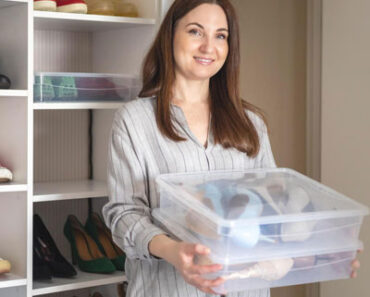
Consider organizing your kitchen efficiently to make these habits easier. When everything has a place, good practices become automatic.
10. Create a Weekly Kitchen Deep-Cleaning Routine
Daily wiping is not enough. Hidden grime builds up in places people forget to clean. A weekly deep-clean targets these overlooked spots.
High-Touch Areas You’re Probably Forgetting
Weekly Cleaning Checklist:
- Sanitize the kitchen sink (dirtier than you think)
- Disinfect faucet handles and refrigerator door handles
- Clean inside the microwave (food splatters breed bacteria)
- Check the fridge for expired items
- Wash all dishcloths and towels on hot cycle
- Wipe cabinet handles and light switches near food prep areas
Monthly Tasks:
- Clean behind and under appliances
- Deep-clean the garbage can with bleach solution
- Check cutting boards for replacement
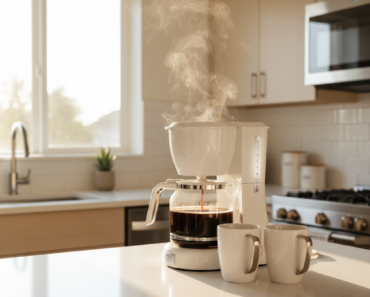
While deep cleaning, do not forget about appliances. Cleaning your coffee maker regularly prevents mold and bacteria buildup. Same goes for the garbage disposal, blender, and any other appliance that touches food.
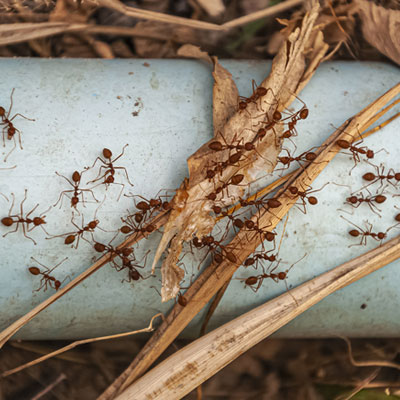
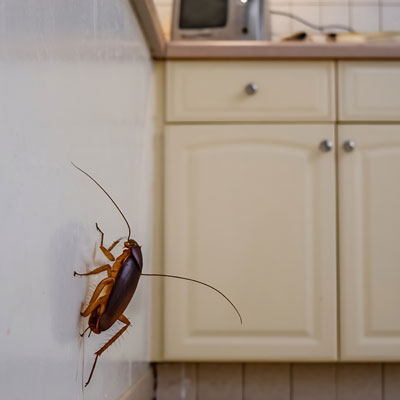
A clean kitchen also helps with keeping your kitchen pest-free. Crumbs and residue attract unwanted visitors.
Creating Kitchen Hygiene Habits That Stick
Nobody transforms their kitchen practices overnight. Sandra certainly did not. Start with two or three tips from this list. Once those become automatic, add more.
Make handwashing the non-negotiable habit. Keep the sanitizing spray where you can see it. Hang a temperature chart inside a cabinet door. Small reminders lead to consistent action.
Teach everyone in the household. Children can learn proper handwashing technique early. Partners can share responsibility for the weekly deep-clean. Kitchen hygiene becomes a family effort.
These kitchen hygiene tips might seem like extra work at first. But building consistent daily routines turns them into second nature. The effort pays off in fewer sick days, lower medical bills, and peace of mind every time the family sits down to eat.
Sandra thinks back to that summer cookout sometimes. The lesson cost her family three miserable days. But it also led her here, sharing what she learned. A few simple habits in the kitchen protect the people we love most. That seems like a pretty good trade.