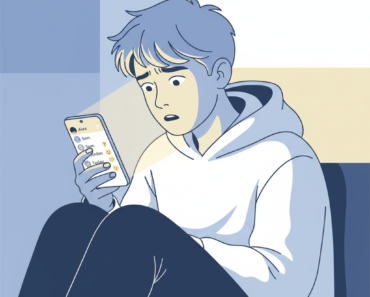
A phone buzzes on the nightstand. The screen lights up with a simple three-letter message: “WSP?” For someone unfamiliar with texting slang, those letters might look like a typo. But for millions of young people, it’s a perfectly normal way to say hello.
So what do WSP mean in text? This guide breaks down everything about this popular greeting—from its meaning to when someone should (and shouldn’t) use it.
What Does WSP Mean? (The Quick Answer)
WSP is a casual texting acronym that stands for “What’s up?” It works as a friendly greeting to check in on someone or start a conversation. Think of it as the digital version of waving at a friend across the street.
WSP = “What’s up?”
A casual greeting used in texts, social media, and gaming chats. Popular among Gen Z and millennials.
Primary Meaning: What’s Up
The most common meaning of WSP is simply “What’s up?” Someone might receive this message from a friend who wants to catch up, make plans, or just say hi. It carries a laid-back, friendly tone that fits perfectly into casual conversations.
Understanding this acronym is just one piece of the puzzle when it comes to Gen Z slang and internet language. These abbreviations keep evolving, and WSP has become one of the most widely recognized.
Alternative Meaning: What’s Popping (Less Common)
Some people also use WSP to mean “What’s popping?”—another way of asking what’s going on or what’s exciting. This version pops up less often, but it carries the same casual energy. The context usually makes the meaning clear.
WSP Meaning #1: What’s Up (Most Common Usage)
Picture a teenager scrolling through Snapchat after school. They see their best friend’s name and type out three quick letters: WSP. Within seconds, a conversation begins. This scene plays out millions of times every day.
How “What’s Up” Became WSP
Back in the early 2000s, texting cost money per message. Each text had a 160-character limit. People learned to squeeze their thoughts into fewer letters. “What’s up” became “wuzup,” then “sup,” and eventually “WSP” for those who wanted the full phrase in compact form.
The abbreviation stuck around even after unlimited texting became standard. It felt natural. Typing three letters takes less effort than typing eleven. In a world where people send hundreds of messages daily, every keystroke counts.
Where WSP Is Most Popular
WSP shows up most often on:
- Snapchat: Quick conversations that disappear make WSP perfect for casual check-ins
- Instagram DMs: Friends sliding into each other’s messages often start with WSP
- TikTok comments: The platform’s fast-paced nature matches WSP’s quick energy
- Discord servers: Gaming communities use it constantly
- Regular texting: Still the classic home for text slang
Anyone familiar with POV on social media knows how platform culture shapes language. WSP fits right into the casual, quick-fire communication style these apps encourage.
The Psychology Behind Short Greetings
There’s a reason short greetings feel so comfortable. Research shows that 74% of Gen Z and millennials prefer texting over phone calls. Almost half of Gen Z—49%—actually experience anxiety about phone calls and prefer text-based hellos instead.
WSP offers a low-pressure way to reach out. It says “I’m thinking about you” without demanding a long response. The person on the other end can reply with a quick “not much, you?” or share more if they want to.
The Origin Story: How WSP Entered Our Texts
Every piece of slang has a story. WSP’s journey from novelty to everyday language spans about two decades of digital communication.
Early 2000s Text Message Era
The early 2000s changed how people talked to each other. Suddenly, teenagers could message friends without parents listening in. But those 160-character limits forced creativity. Every letter mattered.
“What’s up” took too many precious characters. So people shortened it. “Wussup” became “wassup” became “wazup” became “sup.” WSP emerged as another option—three letters that captured the whole phrase.
From AIM to Instagram DMs
Remember away messages? MSN Messenger buddy lists? AIM profiles decorated with song lyrics? These platforms helped text slang spread beyond phones into computer screens.
WSP traveled from SMS to instant messengers to social media. Each new platform picked up the slang from the last. By the time Instagram and Snapchat arrived, abbreviations like WSP felt completely natural to use.
How to Use WSP in Text Conversations
Using WSP effectively comes down to knowing the audience and the situation. Here’s how it works in practice.
As a Conversation Starter
The most common use of WSP is simply starting a chat. Someone might text an old friend they haven’t talked to in a while. Instead of overthinking the perfect opening line, they just send: “WSP?”
It’s casual, friendly, and takes the pressure off. No elaborate excuse needed for reaching out.
Checking In on Friends
Sometimes WSP means more than just “hello.” It can be a subtle way to check on someone’s well-being. A message like “Haven’t heard from you in a while, WSP?” shows care without being too intense.
Testing Availability
Before diving into plans or big news, people often send WSP to see if someone is free to chat. It’s a gentle knock on the digital door. If the other person responds, the conversation can continue. If not, no harm done.
Real Examples from Real Conversations
“WSP? Haven’t seen you since the party!”
“WSP bro, you free this weekend?”
“WSP 😊 just thinking about you”
“WSP, did you see the game last night?”
Notice how these examples feel natural. The emoji adds warmth. The follow-up context gives the greeting purpose. These small touches make WSP work better.
When to Use WSP (And When to Avoid It)
Knowing when to use slang is just as important as knowing what it means. Effective digital communication requires reading the room—or in this case, reading the chat.
Perfect Situations for WSP
- Texting close friends: The people who already speak the same language
- Family members who get it: Siblings, younger relatives, or parents who stay current
- Casual group chats: Friend groups, gaming squads, hangout planning
- Social media DMs: Snapchat, Instagram, TikTok messages
- Gaming platforms: Discord, in-game chats, team communications
Times to Skip WSP and Use Full Words
- Professional emails: “What’s up?” doesn’t belong in work correspondence
- Job applications: Keep it formal when careers are on the line
- Messages to professors or bosses: Authority figures deserve full sentences
- First messages to strangers: WSP might feel too familiar too fast
- Formal invitations: Weddings, professional events, important occasions
The rule is simple: if someone would speak formally in that situation, they should text formally too.
How to Respond When Someone Texts You WSP
Getting a WSP message is easy. Knowing how to respond can feel trickier—but it shouldn’t.
Simple and Direct Responses
- “Not much, you?”
- “Just chilling, wbu?”
- “Same old, how about you?”
- “Nothing much, what’s good?”
These responses match the casual energy of WSP. They’re low-effort but still friendly and open the door for more conversation.
Responses That Continue the Conversation
- “About to grab coffee, want to come?”
- “Just finished that show you recommended—it was amazing!”
- “Looking up LWK meaning because I saw it in a meme, lol”
- “Planning my weekend—you got any ideas?”
Adding specific details gives the other person something to respond to. It turns a simple greeting into an actual conversation.
What NOT to Do
Don’t overthink it. WSP is just a hello. It doesn’t require a paragraph-long life update. And try not to leave someone on “read” if possible. A quick response, even just “busy rn, talk later?” is better than silence.
About 44% of Gen Z report experiencing text misunderstandings. Keeping responses simple helps avoid confusion.
WSP vs Other Greeting Acronyms: What’s the Difference?
The texting world is full of similar acronyms. Here’s how WSP compares to its close relatives—plus some other slang like OML, ICL, and ONB that show up in text conversations.
WSP vs SUP
SUP is even shorter—just three letters versus WSP’s three. Both mean “what’s up,” but SUP feels a bit more casual, almost lazy. WSP keeps a tiny bit more formality since it includes the “what’s” portion.
WSP vs WYD
WYD stands for “What You Doing?” It’s more specific than WSP. While WSP just says hello, WYD asks directly about current activity. Someone might use WSP to start, then follow up with WYD if they want details.
WSP vs HYD
HYD means “How You Doing?” It focuses on emotional well-being rather than just saying hi. HYD might come up when checking on someone who’s been going through something tough. WSP is lighter, more everyday.
All these acronyms serve similar purposes with slight differences in tone and intent. Platform culture matters too—just like understanding OOMF and other TikTok slang helps navigate that app specifically.
Common Mistakes People Make with WSP
Even simple slang can go wrong. Here are the most common WSP mistakes and how to avoid them.
Using it in formal contexts. This is the biggest mistake. Sending WSP to a potential employer, a professor, or a client looks unprofessional. Save it for friends.
Overusing it with the same person. Starting every single conversation with WSP gets repetitive. Mix it up. Try “hey,” “yo,” or just jump straight into what’s on the mind.
Expecting a detailed response. WSP is casual. It shouldn’t demand a five-paragraph essay about someone’s day. If someone replies with “nm,” that’s a perfectly acceptable answer.
Forgetting context matters. Tone can be hard to read in text. Adding an emoji or follow-up context helps prevent misunderstandings. “WSP 😄” feels warmer than just “WSP” alone.
Sending it at weird times. A WSP at 3 AM might feel urgent or confusing. Consider timing when reaching out casually.
Final Thoughts: Making WSP Work
At the end of the day, WSP is just a friendly hello dressed up in three letters. It’s part of how modern communication keeps evolving—getting faster, shorter, and more casual with each generation.
Anyone who’s ever confused an older relative with text slang knows the feeling of bridging that language gap. The key is knowing the audience. With friends, WSP works perfectly. In professional settings, full words still win.
Curious about more texting slang? Explore other popular acronyms like LWK meaning or dive deeper into Gen Z slang and internet language to stay current with how young people communicate today.