Many travelers skip Baguio City in the Philippines without a second thought. They scroll past it, eyes fixed on white-sand beaches and tropical islands. But those who take the winding mountain road up discover something unexpected: a city wrapped in pine trees, cool mountain air, and a culture unlike anywhere else in this tropical country.
Here’s the thing about Baguio. It breaks every rule about what a Philippine destination should be. No swaying palm trees. No scorching heat. Just misty mornings, jacket weather, and the smell of pine needles drifting through narrow streets.
Why First-Timers Almost Skip Baguio (And Why That’s a Mistake)
A friend once said she almost removed Baguio from her itinerary. “It’s just a city in the mountains,” she thought. But one morning, walking through Camp John Hay with fog rolling between the pine trees, she understood. This place was different.
Baguio sits at 1,540 meters above sea level. That’s high enough to escape the tropical heat entirely. While Manila swelters at 35 degrees, Baguio floats between 15 and 23 degrees Celsius. Locals wear jackets year-round. First-timers often pack for beach weather and find themselves shivering by sunset.
The city earned its nickname as the Summer Capital of the Philippines for good reason. When lowland cities become unbearable, everyone heads up the mountain. For travelers seeking a wellness-focused travel experience, the cool climate alone makes Baguio worth the journey.
What Makes Baguio City Different From Other Philippine Destinations
Most Philippine travel guides send visitors to beaches. But beaches can start to blur together after a while. Baguio offers something that breaks the pattern completely.
The Pine-Scented Mountain Escape
Walking through Baguio feels nothing like walking through Manila or Cebu. The air smells like pine trees. The temperature drops at night. Morning fog hangs over the valleys. It’s the closest thing the Philippines has to a European mountain town, without leaving Southeast Asia.
For travelers who’ve explored the Manila travel guide or our Cebu City guide, Baguio presents a completely different face of the Philippines.
A Living Arts and Culture Hub
UNESCO designated Baguio a Creative City for arts and crafts. That’s not just a fancy title. The city pulses with indigenous Cordillera culture. Weavers create intricate patterns passed down through generations. Artists draw inspiration from mountain landscapes and tribal traditions.
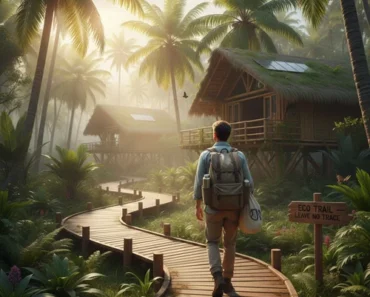
Tam-awan Village preserves traditional Cordilleran huts where visitors can walk among authentic indigenous architecture. The BenCab Museum houses contemporary Filipino art in a building that seems to grow from the mountainside itself.
Cool Weather Year-Round: What That Actually Means
In practical terms, the cool weather means packing differently than for any other Philippine trip. Temperatures range from 15 to 23 degrees Celsius. During December and January, nights can drop to 11 degrees. That’s cold enough to see breath in the air.
A heavy jacket isn’t optional. Neither are closed shoes. The city sits on steep hills, and sandals won’t cut it for climbing Session Road or exploring Wright Park.
When to Visit Baguio City: Timing Your Trip Right
Choosing the right month can make or break a Baguio trip. The wrong timing means fighting crowds or getting stuck in endless rain. Smart seasonal travel planning applies here just as much as anywhere else in the world.
Best Months: December to May
The dry season runs from November through May. December through February brings the coldest temperatures, which many travelers love. January stands out as the sweet spot: good weather, fewer crowds, and lower prices than peak season.
The Panagbenga Festival (February)
Every February, Baguio transforms for Panagbenga, the Flower Festival. Streets fill with elaborate floats covered in fresh flowers. Street dancing takes over main roads. Hotels book up months in advance.
Visiting during Panagbenga means experiencing Baguio at its most vibrant. But it also means booking accommodations three to four months ahead and paying premium prices.
What to Avoid: Rainy Season and Peak Crowds
June through October brings heavy rain. July is the wettest month. Landslides can close mountain roads. Outdoor attractions become muddy and inaccessible.
Summer vacation months (March and April) pack the city with Filipino families. Weekend crowds reach 40,000 to 50,000 visitors. Session Road becomes almost impassable.
How to Get to Baguio City From Manila
There’s no airport in Baguio. Every visitor makes the mountain journey by road. The trip takes anywhere from 3.5 to 8 hours depending on the method and traffic.
Bus: The Most Popular and Practical Option
Buses remain the most reliable way to reach Baguio. Major operators include Victory Liner, JoyBus (Genesis), and Solid North. Deluxe buses cost between 700 and 900 pesos. Regular buses run 450 to 600 pesos.
Private Car and Taxi Alternatives
Private vehicles cut the journey to 3.5 to 4 hours. Taxis and private car services cost between 1,500 and 2,500 pesos. For those watching their budget planning tips, buses offer the best value.
Booking Your Transport in Advance
Apps like Biyaheroes and Victory Liner’s own booking app make reservations easy. Always book return tickets immediately after arriving. The queues for return buses on Sunday evenings stretch for hours.
Top Things to Do in Baguio City
Baguio packs more attractions into its compact mountain space than most cities twice its size. A three-day visit barely scratches the surface.
Parks and Natural Attractions
- Burnham Park: The city’s green heart offers boating, biking, and picnics under the pines.
- Camp John Hay: Former American military base turned forest retreat with hiking trails and zip-lining.
- Mines View Park: Panoramic mountain views that explain why they call this region the roof of the Philippines.
- Wright Park: Famous for horseback riding along tree-lined paths.
- La Trinidad Strawberry Farms: Pick your own strawberries from December through May.
Cultural Sites and Museums
- BenCab Museum: Contemporary art in a stunning mountain setting.
- Tam-awan Village: Authentic Cordillera huts and indigenous art workshops.
- Baguio Cathedral: Pink Romanesque church rising above Session Road.
- The Mansion: Presidential summer residence with beautiful gardens.
Markets and Shopping Experiences
- Baguio Night Market: Harrison Road comes alive after dark with bargain clothes, food, and local finds.
- Good Shepherd Convent: The original source of Baguio’s famous ube and strawberry jams.
- Session Road: The commercial heart lined with cafes, bookshops, and local boutiques.
Where to Stay in Baguio City
Accommodation in Baguio requires advance planning. The city receives 40,000 to 50,000 weekend visitors. Hotels fill fast, especially during festivals and school holidays.
The best areas cluster around Session Road for accessibility or near Camp John Hay for a quieter experience. Budget hostels start around 500 pesos per night. Mid-range hotels run 2,000 to 4,000 pesos.
For Panagbenga Festival in February, book three to four months ahead. Finding last-minute accommodation during the festival borders on impossible.
What to Pack for Baguio City
Packing for Baguio requires a mental reset. This isn’t a beach trip. The mountains demand different gear.
Essential Packing List:
- Heavy jacket or fleece (temperatures can drop to 11°C)
- Comfortable closed walking shoes (hills are steep)
- Umbrella (weather changes quickly)
- Extra underwear and socks (clothes take days to air dry in humid mountain climate)
- Layers for fluctuating temperatures
Check out our complete packing checklist before finalizing what goes in the bag.
Common First-Timer Mistakes to Avoid
Years of hearing traveler stories reveal the same mistakes over and over. Avoiding these pitfalls makes the difference between a frustrating trip and a memorable one.
- Underestimating the terrain: Short distances on maps feel much longer on steep hills. A “five-minute walk” can leave someone gasping.
- Not booking early: Accommodation fills fast. Weekend trips need to be booked weeks ahead.
- Cultural insensitivity: Many locals are Igorot, from the indigenous Cordillera groups. Treat people with respect, not as tourist attractions.
- Assuming nearby places are close: Sagada and Banaue are popular extensions, but they’re 5 to 6 hours further into the mountains.
- Forgetting warm clothes: Even Filipino travelers from Manila get caught off guard by the cold.
- Not buying return bus tickets immediately: Sunday queues stretch for hours. Buy the return ticket upon arrival.
Getting Around Baguio City
The hilly terrain makes walking more challenging than expected. Most first-timers overestimate how far they can walk comfortably.
Jeepneys run throughout the city but routes confuse newcomers. Taxis and ride-hailing apps like Grab and inDrive work better for visitors. Fares run reasonable, and drivers know all the tourist spots.
Renting a car is possible but parking in the city center proves difficult. Most attractions sit within a short taxi ride of each other anyway.
Safety and Practical Tips
Baguio ranks as one of the safest urban destinations in the Philippines. Solo travelers, including women, generally feel secure. Those familiar with solo travel safety tips will find Baguio even easier to navigate.
A few practical notes:
- Watch bags at Baguio Market. Crowded areas attract pickpockets.
- The city is smoke-free. Smoking and vaping in public spaces brings fines.
- English is widely spoken. Communication is rarely a problem.
- ATMs line Session Road. But smaller vendors prefer cash, so carry some.
For context on staying safe while traveling, our guide on safety considerations for travelers covers the mindset that works everywhere.
Is Baguio City Worth Visiting?
For travelers tired of beaches or seeking escape from tropical heat, Baguio delivers something genuinely different. The cool mountain air, the pine forests, the indigenous culture, the arts scene: it all adds up to an experience that sticks in memory.
Two to three days is enough for a first visit. Longer stays allow for day trips to La Trinidad, the strawberry farms, or deeper exploration of Cordillera culture.
Families find it manageable. Couples discover romantic corners. Solo travelers appreciate the safety and the easy rhythm of the city.
The winding mountain road up to Baguio might seem like a detour from the typical Philippine itinerary. But sometimes the best discoveries wait at the end of unexpected roads. The Summer Capital has been welcoming travelers for over a century. Maybe it’s time to find out why.
Ready to plan more Philippine adventures? Check out our guides to Manila and Cebu City to build the perfect multi-destination trip.