Why the Philippines Should Be on Every Traveler’s Bucket List
There’s a story that travelers keep telling each other. It goes something like this: someone visits the Philippines expecting beautiful beaches, and they leave with something far more unexpected. They discover a country that feels like a secret the rest of the world hasn’t quite caught onto yet.
Finding good places to visit in the Philippines isn’t difficult. The hard part is choosing from over 7,000 islands. Each one offers something different. Crystal lagoons hide behind limestone cliffs. Ancient rice terraces climb mountain slopes. Tiny primates with enormous eyes peer out from protected forests.
Unlike its busier Southeast Asian neighbors, the Philippines still offers quiet moments. A traveler can find a beach without crowds. They can wander through colonial towns without tour bus congestion. The hospitality feels genuine because tourism hasn’t yet worn it thin.
1. Palawan: The Crown Jewel of Philippine Islands
Travel magazines have voted Palawan the world’s best island more times than anyone can count. When travelers arrive, they understand why. The water shifts between impossible shades of turquoise and emerald. Limestone karsts rise from the sea like ancient monuments.
El Nido: Island Hopping Paradise
El Nido has become the image most travelers picture when they dream of the Philippines. Outrigger boats called “bangkas” carry visitors through hidden lagoons. The Big Lagoon and Small Lagoon require kayaking through rock passages so narrow that paddlers must duck. Inside, the water turns mirror-still.
Coron: Diving Into History and Nature
Divers know Coron for its World War II shipwrecks resting beneath clear water. Japanese warships sank here in 1944, and they’ve become artificial reefs teeming with marine life. Above water, Kayangan Lake offers swimming in what many call the cleanest lake in the Philippines.
Puerto Princesa: Underground River Wonder
The Puerto Princesa Subterranean River earned UNESCO World Heritage status and recognition as one of the New 7 Wonders of Nature. Visitors board small boats and drift through a cave system stretching over eight kilometers. Stalactites hang like frozen waterfalls in the darkness.
Best for:
- Adventure seekers: Island hopping, diving, kayaking
- Honeymooners: Private beach resorts and romantic sunsets
- Photographers: Dramatic landscapes at every turn
2. Boracay: White Beach Perfection
The name Boracay has become synonymous with Philippine beaches. Four kilometers of powder-white sand stretch along the island’s western shore. The sand feels different here. It stays cool even under the midday sun, fine enough to squeeze between fingers like flour.
After a six-month rehabilitation closure in 2018, Boracay reopened cleaner and better managed. The crowds returned, but so did the clear water. Travelers now find a balance between lively beach clubs and quiet morning swims.
Water sports thrive here. Kiteboarding on Bulabog Beach. Parasailing that lifts riders high above the turquoise water. Snorkeling trips to coral gardens just offshore. When the sun sets, beach bars light up and the island transforms.
3. Siargao: Surf Culture and Island Vibes
Siargao has grown from a surf destination into something more. Yes, Cloud 9 still draws surfers from around the world with its powerful waves. But now digital nomads tap on laptops in beachside cafes. Young travelers ride motorcycles past endless coconut palm groves.
The atmosphere stays relaxed in a way that Boracay hasn’t been for years. Island hopping tours visit Naked Island, a sandbar without a single tree, and Daku Island, where local families serve fresh seafood lunches under palm shade.
4. Bohol: Chocolate Hills and Tiny Primates
Bohol offers something no other Philippine island can match: the Chocolate Hills. Over 1,200 conical mounds spread across the landscape. During dry season, they turn brown, looking exactly like rows of chocolate kisses. Scientists still debate how they formed.
The Philippine tarsier lives here. The world’s smallest primate fits in a human palm, with eyes that take up most of its face. Sanctuaries protect these nocturnal creatures and offer visitors careful viewing opportunities.
A Loboc River cruise provides a different perspective. Floating restaurants drift past jungle-covered banks while passengers enjoy local cuisine. Nearby Panglao Island offers beaches that rival Boracay without the crowds.
5. Cebu: History, Culture, and Island Adventures
Cebu serves as the gateway for many Philippine adventures. Spanish colonial history runs deep here. Magellan’s Cross, planted in 1521, still stands protected in a small chapel. Fort San Pedro remains the oldest triangular fort in the country.
From Cebu, travelers head to Oslob to swim alongside whale sharks. Kawasan Falls attracts adventurers for canyoneering through jungle gorges. The city itself offers world-class malls, markets, and restaurants. For travelers planning extended stays, a Cebu first-timer’s guide helps navigate everything from lechon restaurants to weekend island escapes.
6. Manila: The Vibrant Gateway
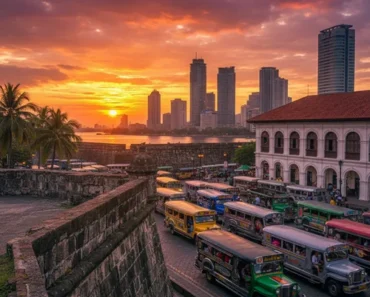
Most international travelers arrive in Manila first. Rather than rushing to catch connecting flights, wise visitors spend two or three days exploring. Intramuros, the old walled city, contains Spanish-era churches, plazas, and Fort Santiago.
Modern Manila pulses with energy. Shopping malls the size of small towns. Street food stalls serving sisig and halo-halo. Museums housing Filipino art spanning centuries. Those wanting to dive deeper can explore our complete Manila travel guide for neighborhood-by-neighborhood recommendations.
7. Baguio: Mountain Escape and Cool Climate
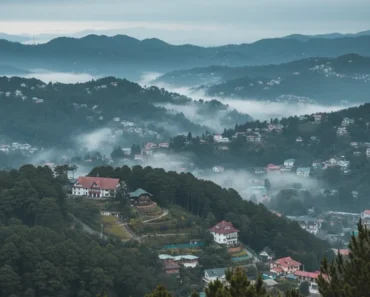
When lowland heat becomes too intense, Filipinos escape to Baguio. Known as the “Summer Capital,” this mountain city sits among pine-covered hills where temperatures stay pleasantly cool year-round.
Session Road winds through the city center, lined with cafes, galleries, and shops. Strawberry farms let visitors pick their own fruit. Art galleries showcase Cordilleran culture. The pace slows down here, inviting travelers to linger. Our Baguio visitor guide covers the best viewpoints and local dining spots.
8. Banaue Rice Terraces: Ancient Wonder
The Ifugao people carved these terraces into the mountainside over 2,000 years ago. They’re often called the “Eighth Wonder of the World.” Standing at a viewpoint, travelers look out over what resembles a giant staircase reaching toward the clouds.
These terraces still function. Local farmers continue planting rice in flooded paddies, maintaining traditions passed down through generations. Hiking trails wind through the terraces, offering intimate views of this living cultural heritage.
9. Vigan: Colonial Time Capsule
Walking Vigan’s cobblestone streets feels like stepping back centuries. This UNESCO World Heritage city preserved its Spanish colonial architecture better than anywhere else in Asia. Horse-drawn carriages called “kalesas” clip-clop past ancestral houses with capiz shell windows.
Calle Crisologo becomes magical at night when street lamps illuminate the old buildings. Local shops sell burnay pottery and Ilocano handicrafts. The cuisine here features dishes found nowhere else in the Philippines, including empanadas unique to this region.
10. Batanes: Remote Island Beauty
Few tourists make it to Batanes. This northernmost province requires effort to reach, which keeps it beautifully unspoiled. Rolling green hills meet dramatic cliff drops. Traditional Ivatan stone houses with thick walls have withstood typhoons for generations.
The landscape reminds visitors of Ireland or New Zealand more than tropical Asia. Lighthouse views stretch toward Taiwan. Marlboro Country, named for its resemblance to old cigarette advertisements, offers endless rolling grasslands.
11. Camiguin: Island Born of Fire
Seven volcanoes created this small island, earning it the nickname “Island Born of Fire.” Hot springs bubble up naturally. The Sunken Cemetery, marked by a cross rising from the sea, commemorates a volcanic eruption that submerged old graves.
White Island appears at low tide, a sandbar of pure white sand surrounded by turquoise water. The sweet lanzones fruit grows here in abundance, celebrated each October with a festival. Waterfalls cascade through jungle all around the island.
12. Sagada: Mountain Adventure and Hanging Coffins
Sagada offers something genuinely unusual. Centuries ago, the local people began hanging coffins from cliff faces. They believed this brought the dead closer to heaven. Today, visitors can see these hanging coffins with respectful local guides.
Sumaguing Cave challenges adventurers with spelunking through underground rivers and rock formations. Kiltepan viewpoint draws early risers for sunrises over a sea of clouds. Coffee farms supply local cafes where travelers warm up after cool mountain mornings.
When to Visit the Philippines
Timing matters in the Philippines. December through February offers the sweet spot: dry weather, comfortable temperatures, and festive holiday atmosphere. This period aligns with peak tourist season, so booking ahead becomes essential.
March through May brings intense heat. June through November carries typhoon risks, particularly in eastern regions. However, shoulder seasons offer lower prices and thinner crowds for those willing to watch weather forecasts. Understanding seasonal travel planning helps travelers maximize their experience.
Quick Weather Guide
- Best months: December to February (dry, mild)
- Hottest months: March to May
- Rainy/typhoon season: June to November
Visa and Entry Requirements
Good news for most travelers: 157 countries receive visa-free entry for up to 30 days. Requirements stay simple. A passport valid for at least six months beyond arrival date. Proof of return or onward travel. That’s essentially it.
Extensions are available for those who fall in love with the islands and want to stay longer. Check official Philippine embassy websites for the most current requirements before booking.
Essential Travel Tips for the Philippines
Island hopping defines the Philippine travel experience. This means domestic flights and ferry connections become part of the adventure. Booking flights early with Cebu Pacific or Philippine Airlines saves money and secures seats.
Cash remains important outside major cities. ATMs exist but can be scarce on smaller islands. Bringing sufficient Philippine pesos prevents headaches. A good packing checklist helps travelers prepare for everything from beach days to mountain treks.
Respecting local customs and marine environments matters deeply. The Philippines has implemented strict environmental protections, particularly around coral reefs and marine sanctuaries. Travelers who follow guidelines help preserve what makes these islands special.
For those traveling independently, reviewing solo travel safety tips and general travel safety guides provides peace of mind before departure.
Start Planning Your Philippine Adventure
The Philippines waits with over 7,000 islands and countless stories to discover. Whether travelers seek the famous beaches of Palawan and Boracay, the cultural depth of Vigan and Manila, or the remote beauty of Batanes and Camiguin, these islands deliver experiences that linger in memory.
The best approach? Start with two or three destinations rather than rushing to see everything. The Philippines rewards slower travel. Connections form with local communities. Hidden beaches reveal themselves to those who stay longer.
Ready to explore more? Dive deeper into our destination guides for Manila, Cebu, and Baguio to start building an unforgettable Philippine itinerary.