Why Choosing the Best Soil for Raised Garden Bed Makes All the Difference
Finding the best soil for raised garden bed growing is one of those lessons that gardening teaches the hard way. A gardener once filled an entire 4×8 bed with bargain topsoil from the home improvement store. Three months later, every tomato plant had yellowed leaves and stunted growth. The soil had turned into something resembling concrete after a few good rainstorms.
That expensive mistake taught a valuable lesson: raised bed soil is different from regular garden dirt. The right mix makes the difference between struggling plants and a thriving vegetable patch that produces bushels of food each season.
The Real Cost of Using the Wrong Soil Mix
Here’s the frustrating truth about raised bed gardening. The bed itself might cost $50-200 to build or buy. The plants and seeds add another $30-75. But the soil? That’s often where gardeners try to cut corners. They dig up yard soil or grab whatever’s cheapest. Then they spend an entire growing season fighting drainage problems, nutrient deficiencies, and compacted roots.
The good news is that getting soil right from the start isn’t complicated. It just requires understanding a few key principles and following a proven recipe. Whether someone is building your raised garden bed for the first time or refreshing an existing one, proper soil is the foundation of everything.
Understanding What Makes Soil Perfect for Raised Garden Beds
Raised beds create a unique growing environment. They warm up faster in spring, drain more quickly than ground-level gardens, and offer complete control over soil quality. But these advantages come with specific requirements that regular garden soil simply can’t meet.
Why Regular Garden Soil Doesn’t Work in Raised Beds
Yard soil seems like a logical choice. It’s free and already there. But digging it up and dumping it into a raised bed creates several problems:
- Compaction: Native soil compresses quickly without the underground ecosystem that keeps ground soil aerated
- Weed seeds: Yard soil is packed with dormant weed seeds ready to sprout and compete with vegetables
- Drainage issues: Clay-heavy soil holds too much water; sandy soil drains too fast
- Disease transfer: Soil-borne pathogens from the yard can devastate crops in the confined raised bed space
Smart gardeners who focus on preventing weeds naturally understand that starting with clean, purpose-mixed soil eliminates half the battle before planting even begins.
The Three Essential Components Your Soil Mix Needs
Every successful raised bed soil recipe balances three elements. Think of it like a three-legged stool. Remove any leg, and the whole thing falls over.
The Three Soil Pillars
- Topsoil: Provides structure and minerals
- Compost: Delivers nutrients and supports beneficial microbes
- Aeration material: Prevents compaction and improves drainage
The magic happens when these components work together. Topsoil gives roots something substantial to grip. Compost feeds plants and attracts earthworms. Aeration materials create tiny air pockets that keep roots healthy and allow excess water to escape.
The Best Soil Mix Recipe for Raised Garden Beds (Proven Ratios That Work)
Gardeners have tested countless combinations over the years. Two recipes have emerged as the most reliable for vegetable growing. The choice between them depends on budget, gardening style, and what’s readily available locally.
The Classic 40-40-20 Mix (Best for Most Gardeners)
This traditional raised bed soil mix works beautifully for almost any vegetable garden. It’s forgiving, affordable, and easy to source.
- 40% Topsoil: Look for screened, organic topsoil without added chemicals
- 40% Compost: A blend of different composts works best for nutrient variety
- 20% Aeration material: Perlite, coarse sand, or aged bark provide drainage
A 4×8 raised bed filled 12 inches deep needs about 32 cubic feet of material. Using this recipe, that breaks down to roughly 13 cubic feet each of topsoil and compost, plus 6 cubic feet of aeration material.
Mel’s Mix for Square Foot Gardening
Square foot gardening enthusiasts swear by Mel’s Mix, developed by Mel Bartholomew. It’s lighter, more expensive, but incredibly productive for intensive planting.
- 1/3 Peat moss or coco coir: Holds moisture without compacting
- 1/3 Vermiculite: Provides aeration and retains nutrients
- 1/3 Blended compost: Mix five or more different compost sources for complete nutrition
This mix costs more upfront but rarely needs replacing. Many gardeners using Mel’s Mix only add a thin layer of fresh compost each year to maintain fertility.
Budget-Friendly Alternatives and Modifications
Not everyone can afford premium ingredients. Here are some practical adjustments:
- Replace perlite with coarse builder’s sand (not play sand) to cut costs by 50%
- Use municipal compost from local waste facilities at a fraction of bagged prices
- Mix in shredded leaves from fall cleanup as free organic matter
- Start with less expensive topsoil for the bottom half of deep beds
Breaking Down Each Soil Component: What to Buy and What to Avoid
Quality varies wildly in bagged soil products. Knowing what to look for saves money and prevents disappointing results.
Topsoil: Quality Indicators and Red Flags
Good topsoil should feel crumbly, smell earthy, and contain visible organic matter. Avoid any bag that:
- Feels heavy and dense (indicates high clay content)
- Smells sour or like ammonia (decomposition problems)
- Contains visible rocks, sticks, or debris
- Lists added fertilizers or unknown chemicals
When possible, buy from local landscape suppliers who can show samples before purchase. Bulk delivery often costs less per cubic foot than bags.
Compost: Types, Sources, and How Much You Really Need
Compost is the heart of any raised garden bed soil. Different types offer different benefits:
- Mushroom compost: Mild, alkaline, great for most vegetables
- Aged manure (cow/horse): Rich in nitrogen, excellent for leafy greens
- Chicken manure compost: Very potent, use sparingly to avoid burning plants
- Homemade compost: Free and perfect for improving garden soil
Blending two or three compost types creates a more complete nutrient profile than using just one. Those exploring natural fertilizer options often find that quality compost reduces or eliminates the need for additional feeding.
Aeration Materials: Perlite vs Vermiculite vs Sand vs Coco Coir
Each aeration material has strengths and weaknesses:
| Material | Best For | Drawbacks |
|---|---|---|
| Perlite | Maximum drainage, lightweight | Can float to surface, expensive |
| Vermiculite | Moisture retention plus aeration | Compresses over time |
| Coarse Sand | Budget-friendly, adds weight | Heavy, doesn’t hold nutrients |
| Coco Coir | Sustainable peat alternative | Needs pre-soaking, may contain salt |
For most vegetable gardens, perlite mixed with a bit of coarse sand provides excellent results without breaking the budget.
How Much Soil Do You Actually Need? (Simple Calculation Method)
Nothing ruins planting day faster than running out of soil halfway through filling a bed. A simple formula prevents this frustration.
The Cubic Feet Formula Made Easy
Grab a calculator and measure in feet:
Then add 10% extra for settling and compaction
Here are calculations for common bed sizes filled 12 inches (1 foot) deep:
- 4×8 bed: 4 x 8 x 1 = 32 cubic feet (+ 3.2 = 35.2 total)
- 4×4 bed: 4 x 4 x 1 = 16 cubic feet (+ 1.6 = 17.6 total)
- 3×6 bed: 3 x 6 x 1 = 18 cubic feet (+ 1.8 = 19.8 total)
Converting to Bags: How Many to Buy
Most bagged soil comes in 0.75, 1.0, or 1.5 cubic foot sizes. Divide total cubic feet needed by the bag size:
For a 4×8 bed needing 35 cubic feet using 1.5 cubic foot bags: 35 / 1.5 = 24 bags total (divided among topsoil, compost, and amendments according to recipe ratios).
Common Raised Bed Soil Mistakes (And How to Fix Them)
Even experienced gardeners make these errors. Recognizing them early prevents wasted seasons.
Mistake #1: Using Only Topsoil or Only Compost
Pure topsoil compacts into a brick. Pure compost stays too wet and decomposes too quickly. The balance between components matters more than any single ingredient.
The fix: Always blend at least two components. Even adding just 20% compost to topsoil dramatically improves results.
Mistake #2: Skimping on Depth
Many gardeners fill beds only 6 inches deep to save money. This limits what can grow successfully. Most vegetables need at least 8-10 inches of quality soil. Root crops like carrots require 12 inches or more to develop properly.
Understanding the carrot growing timeline shows why deep soil matters. Carrots growing in shallow beds fork, split, or stop growing entirely when roots hit compacted layers.
Mistake #3: Forgetting About Drainage
Raised beds sitting on compacted ground or clay can develop “perched water tables” where water pools at the bottom. This drowns roots even when surface soil seems fine.
The fix: Before filling, loosen or remove 4-6 inches of ground soil beneath the bed. Add a layer of coarse gravel if drainage concerns persist.
Mistake #4: Not Testing or Adjusting pH
Vegetables thrive in slightly acidic to neutral soil (pH 6.0-7.0). Soil that’s too acidic or alkaline locks up nutrients so plants can’t access them, no matter how rich the mix.
A simple pH test kit costs under $15 and reveals whether amendments are needed. Lime raises pH in acidic soil; sulfur lowers it in alkaline conditions.
Filling Your Raised Bed: Step-by-Step Process
With materials gathered and quantities calculated, filling becomes straightforward. The method matters as much as the materials.
Layering vs Mixing: Which Approach Works Better
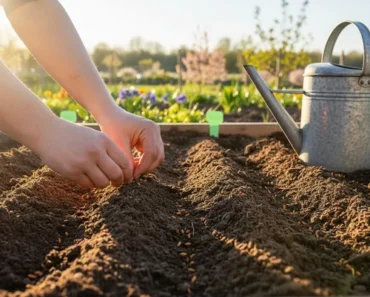
Pre-mixing all components before adding them to the bed works best for most situations. Dump materials onto a tarp or in a wheelbarrow, mix thoroughly, then shovel into the bed.
Benefits of mixing first:
- Even nutrient distribution throughout the bed
- Consistent drainage and texture
- Roots encounter the same conditions at every depth
For very deep beds (18+ inches), a modified layering approach can work: fill the bottom third with a coarser, less expensive mix, then finish with premium soil in the root zone where it matters most.
The Hugelkultur Method for Long-Term Fertility
This centuries-old German technique creates self-sustaining raised beds that improve over time. It works especially well for deep beds.
- Place logs, thick branches, and woody debris in the bottom third of the bed
- Add a layer of leaves, grass clippings, and smaller organic matter
- Top with 8-12 inches of quality soil mix
- Water deeply and allow to settle for 2-4 weeks before planting
As the wood slowly decomposes over 5-10 years, it releases nutrients, retains moisture, and creates habitat for beneficial fungi and bacteria. The initial settling means beds need topping off the first year, but they become incredibly productive afterward.
Maintaining Soil Health Year After Year
Good soil improves with proper care. Neglected soil declines. Annual maintenance takes minimal effort but produces maximum results.
Annual Compost Top-Dressing
Each spring, add 1-2 inches of fresh compost on top of existing soil. This feeds beneficial soil organisms, replaces nutrients harvested with last year’s vegetables, and maintains the loose texture plants need.
There’s no need to dig or till the compost in. Worms and other soil life will incorporate it naturally. Just spread it evenly and plant directly into it.
Cover Crops and Green Manure
After summer crops finish, plant cover crops instead of leaving beds bare through winter. Options include:
- Crimson clover: Fixes nitrogen from the air into the soil
- Winter rye: Prevents erosion and adds organic matter
- Field peas: Quick-growing nitrogen fixer for mild climates
Cut down cover crops before they go to seed and leave the residue on the soil surface as mulch. This practice mimics natural systems and builds soil without purchased amendments.
When to Replace or Refresh Your Soil Mix
Quality raised bed soil can last indefinitely with proper care. However, some signs indicate it’s time for more significant intervention:
- Plants consistently underperform despite adequate water and sunlight
- Soil level has dropped significantly from decomposition
- Surface becomes crusty or water pools instead of soaking in
- Persistent pest or disease problems despite crop rotation
Rather than completely replacing soil, consider removing the top 6 inches and mixing in fresh compost and amendments. Full replacement is rarely necessary.
Best Soil Mixes for Specific Plants
While the standard 40-40-20 mix works for most vegetables, tweaking ratios for specific crops can boost production significantly.
Soil for Tomatoes and Heavy Feeders
Tomatoes, peppers, squash, and corn demand more nutrients than other vegetables. They also benefit from consistent moisture without waterlogging.
Modifications for heavy feeders:
- Increase compost to 50% of the mix
- Add calcium sources like crusite lime or gypsum to prevent blossom end rot
- Include a small amount of bone meal for phosphorus
Following a comprehensive tomato care guide shows how soil preparation connects to every other aspect of tomato growing success.
Soil for Root Vegetables (Carrots, Beets, Potatoes)
Root crops need loose, obstacle-free soil to develop properly. Any rocks, clumps, or dense layers cause forking, splitting, or stunting.
Modifications for root vegetables:
- Increase sand or perlite to 30% for maximum looseness
- Screen compost to remove chunks larger than 1/2 inch
- Ensure minimum 12-inch depth for long carrots
- Avoid fresh manure which can cause forked roots
Those interested in growing carrots in raised beds find that proper soil preparation eliminates the most common problems before they start.
Soil for Herbs and Mediterranean Plants
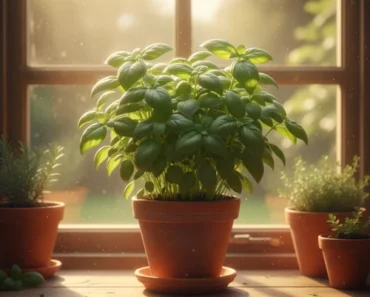
Herbs like basil, rosemary, thyme, and oregano evolved in lean, rocky soils. Rich garden soil actually reduces their flavor intensity and can cause root rot.
Modifications for herbs:
- Reduce compost to 25% of the mix
- Increase sand or perlite to 35% for sharp drainage
- Skip nitrogen-rich amendments which produce leafy but bland growth
Those growing herbs like basil in raised beds often dedicate a separate bed or section with this leaner mix to give Mediterranean plants what they actually want.
Getting Started with Perfect Raised Bed Soil
Creating the best soil for raised garden bed success isn’t complicated once the fundamentals click into place. Start with the 40-40-20 formula: quality topsoil, rich compost, and drainage material. Calculate quantities using simple math. Mix thoroughly before filling. Then maintain annually with fresh compost.
The investment in proper soil pays dividends every single growing season. Healthy soil means healthy plants, bigger harvests, and fewer problems to troubleshoot. It means spending summer mornings picking vegetables instead of wondering why nothing is growing right.
Understanding basic plant care principles reveals that soil quality connects to every other gardening decision. Good soil makes everything else work better.
Ready to build an incredible raised bed garden? Start by calculating exactly how much soil that dream bed needs. Gather quality ingredients. Mix them right. Then plant with confidence knowing the foundation is solid.
That first basket of homegrown tomatoes makes every bag of compost worth it.