Every gardener remembers the moment they realized their tools were holding them back. Maybe the trowel handle snapped mid-dig. Perhaps the pruning shears crushed a stem instead of cutting it cleanly. Finding the best tools for gardening changes everything about the experience. The right equipment turns a frustrating afternoon into something that feels almost meditative.
With 55% of American households now tending some kind of garden, more people than ever are discovering what quality tools can do for their growing adventures. This guide covers the 12 essential pieces every gardener should consider adding to their collection.
Why Choosing the Right Gardening Tools Matters
There was a gardener who started her first vegetable patch with a set of bargain-bin tools from a discount store. By mid-July, the hand trowel had bent at the neck. The pruning shears wouldn’t stay sharp no matter how many times she sharpened them. She spent more time fighting her equipment than actually gardening.
That first season taught an expensive lesson. Those cheap tools cost about $30 total. Replacing them with quality versions? Another $80. Add in the wasted time and ruined plants from poor cuts, and the real cost climbed much higher.
- Broken handles during critical planting windows
- Dull blades that damage plants instead of helping them
- Extra physical strain from poorly designed grips
- Replacement purchases that add up quickly
Quality garden tools transform the entire experience. Tasks that once felt like chores become genuinely enjoyable. A sharp pair of bypass pruners glides through stems like butter. A well-balanced shovel makes digging feel almost effortless.
What Makes a Good Gardening Tool Worth Buying
Not every expensive tool deserves the price tag. Understanding what separates good equipment from mediocre options helps gardeners spend wisely.
Material Quality and Durability
The metal matters more than most people realize. Stainless steel resists rust and cleans easily, making it perfect for gardeners who forget to wipe down their tools after every use. Carbon steel holds a sharper edge longer but needs more attention to prevent corrosion.
Tempered boron steel offers the best of both worlds for cutting tools. Professional landscapers swear by it. For handles, solid hardwood or fiberglass outlasts hollow metal or plastic by years.
Ergonomic Design and Comfort
Anyone who has spent three hours weeding knows that comfort matters. Cushioned grips reduce hand fatigue and prevent blisters. Longer handles on frequently-used tools save backs and knees.
The best garden equipment fits the person using it. A gardener who stands 5’2″ needs different handle lengths than someone who is 6’1″. Many tool makers now offer different sizes for the same designs.
Maintenance Requirements
Well-maintained tools last decades. Neglected ones barely survive a few seasons. Before buying any piece of equipment, consider how much care it needs. Some gardeners happily oil and sharpen their tools weekly. Others want something they can toss in the shed and grab again next Saturday.
The 12 Best Tools for Gardening: Essential Hand Tools
Hand tools handle the close work. They are the pieces gardeners reach for most often, the equipment that lives in an apron pocket or bucket beside the beds.
1. Garden Trowel: The Most-Used Tool
A quality trowel gets more use than any other tool in the garden. It digs planting holes, moves soil, pries out stubborn weeds, and scoops compost. The trowel that came free with a seed kit will disappoint. The one with a forged steel blade and comfortable grip becomes an extension of the gardener’s hand.
Narrow blade designs work best for transplanting seedlings. Wider blades move more soil when digging larger holes. Many experienced gardeners own both styles. When preparing quality soil for planting, a good trowel makes the mixing and blending process much smoother.
2. Hand Pruners: For Precise Cuts
Every plant eventually needs pruning. Dead branches, spent flowers, wayward stems – all need clean removal. Hand pruners handle cuts up to about three-quarters of an inch thick.
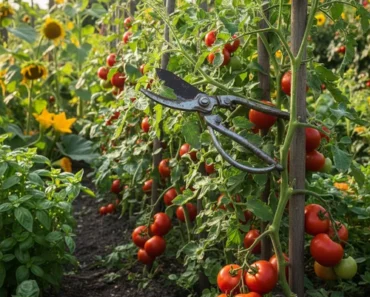
Bypass pruners work like scissors, with two curved blades sliding past each other. They make the cleanest cuts on living stems. Anvil pruners crush material against a flat surface, better suited for dead wood. For tasks like pruning tomato plants, bypass pruners are the clear choice.
3. Gardening Gloves: Protect Those Hands
Bare hands in the garden invite splinters, thorns, blisters, and soil-borne irritants. Good gloves provide protection without sacrificing dexterity.
Nitrile-coated gloves offer the best combination of grip, durability, and protection. They resist punctures better than fabric alone and wash easily. Leather gloves work well for heavy tasks like hauling branches but feel clumsy for delicate work.
4. Hori Hori Knife: The Multi-Purpose Wonder
Japanese gardeners have used the hori hori for centuries. Western gardeners are finally catching on. This single tool combines a trowel, a weeding knife, a saw, and sometimes even a ruler for planting depth.
The serrated edge cuts through roots that would stop an ordinary trowel. The sharp point pries out deep-rooted weeds. The flat blade measures planting holes. Professional gardeners call it their most indispensable tool.
5. Hand Cultivator: For Soil Prep
The three-pronged hand cultivator loosens compacted soil around existing plants without disturbing roots. It breaks up crusty surfaces to let water penetrate. It works compost and amendments into the top few inches of beds.
When applying natural fertilizer, a hand cultivator scratches it into the soil surface where roots can access the nutrients. It also aerates soil that has been packed down by rain or foot traffic.
Essential Long-Handled Tools Every Gardener Needs
For larger tasks and in-ground gardens, long-handled tools save backs and multiply effort. These pieces require more storage space but earn their keep.
6. Round-Point Shovel: The Digging Workhorse
When serious digging needs to happen, nothing beats a quality round-point shovel. The curved blade slices into soil and cuts through roots. A fiberglass handle won’t splinter like wood or bend like cheap metal.
This tool handles planting trees and shrubs, moving soil and compost, and building a raised garden bed. Look for a forged steel head with a turned step for foot placement.
7. Garden Rake: For Smoothing and Leveling
Two types of rakes serve different purposes. Bow rakes with rigid metal tines level soil, spread mulch, and remove debris. Leaf rakes with flexible tines gather fallen leaves and light materials.
Most gardeners need the bow rake more often. It smooths seedbeds before planting and breaks up clumps after tilling. The flat back pushes material into neat piles.
8. Garden Hoe: Weed Control Made Easy
Pulling weeds by hand works fine for a few intruders. When they take over, a hoe cuts them down efficiently. The stirrup hoe (also called a scuffle hoe) slices weeds just below the soil surface with a push-pull motion.
Combined with other strategies for controlling weeds naturally, a good hoe keeps beds clean without back-breaking labor. Warren hoes with pointed blades create furrows for planting rows.
9. Pruning Loppers: For Bigger Branches
Hand pruners max out around three-quarters of an inch. Loppers extend that range to two inches or more. Their long handles provide leverage that hand tools cannot match.
Ratchet loppers multiply cutting power through a mechanism that lets gardeners cut in stages. They make removing thick stems possible without excessive strain. For caring for flowering plants like hydrangeas, loppers handle the occasional thick stems that pruners cannot manage.
Must-Have Support Tools and Equipment
Beyond digging and cutting tools, a few support items make gardening significantly easier and more comfortable.
10. Garden Hose with Spray Nozzle
Plants need water, and hauling watering cans gets old quickly. A quality hose with an adjustable spray nozzle delivers gentle misting for seedlings, moderate streams for established plants, and powerful jets for cleaning tools and pots.
Rubber hoses last longer than vinyl and kink less often. A nozzle with multiple spray patterns handles every watering situation.
11. Wheelbarrow or Garden Cart
Moving soil, compost, plants, and debris by hand wastes time and energy. A wheelbarrow or garden cart multiplies what a gardener can accomplish in an afternoon.
Traditional wheelbarrows with one front wheel maneuver through tight spaces easily. Two-wheeled garden carts carry more weight with better stability. The choice depends on garden layout and typical loads.
12. Kneeling Pad or Garden Stool
Knees take a beating in the garden. A cushioned kneeling pad makes ground-level work comfortable. Garden stools with handles help gardeners stand up without strain.
Combination products that flip between kneeling pad and sitting bench offer flexibility. Anyone with knee or back concerns should consider this an essential, not optional, purchase.
How to Choose the Right Tools for Your Garden Type
Not every garden needs every tool. The right collection depends on what grows where.
Container Garden Tool Needs
Container gardening requires mostly hand tools in smaller sizes. A compact trowel, hand pruners, and quality gloves handle most tasks. Long-handled tools rarely find use unless the containers are very large.
Those who focus on indoor plant care need even fewer specialized tools. A small watering can with a narrow spout and a pair of snips cover most indoor gardening needs.
Raised Bed Gardening Essentials
Raised beds fall somewhere between containers and in-ground gardens. Quality hand tools matter most since much of the work happens at a reachable height. A shovel helps during initial bed setup and annual soil amendments.
The contained nature of raised beds means less weeding and less need for long-handled cultivation tools. Focus budget on excellent hand tools rather than spreading it across everything.
In-Ground Garden Requirements
Traditional in-ground gardens benefit from the full tool collection. Long-handled tools save backs during bed preparation and maintenance. Hand tools handle close work around established plants.
Starting small and adding tools as needs become clear works better than buying everything at once. A basic set handles most tasks while gardeners learn what their specific space requires.
Tool Care and Maintenance Tips for Longevity
The best garden tools deserve care that keeps them working smoothly for decades.
- After each use: Knock off soil, wipe blades with a dry cloth
- Weekly during growing season: Clean thoroughly with soapy water, dry completely
- Monthly: Oil metal parts lightly with machine oil or linseed oil
- Seasonally: Sharpen cutting edges, sand wooden handles, apply wood treatment
- End of season: Deep clean, oil heavily, store in dry location
Proper storage matters as much as cleaning. Tools left on the ground or hung against damp walls rust quickly. A simple wall-mounted rack in a dry shed keeps everything organized and protected.
Common Mistakes When Buying Gardening Tools
New gardeners often make the same errors when building their tool collection. Avoiding these saves money and frustration.
Buying too many tools at once. That 47-piece garden tool set looks like a bargain. Most pieces will collect dust. Start with five or six essential items and add more as genuine needs appear.
Choosing based only on price. The cheapest option almost always costs more long-term through replacements and frustration. The most expensive option may include features that provide no real benefit. Mid-range quality from reputable brands usually hits the sweet spot.
Ignoring comfort and fit. A tool that hurts to use gets avoided. Testing grip, weight, and handle length before buying prevents disappointing purchases.
Forgetting about storage. Beautiful new tools need somewhere to live. Consider available storage space before bringing home long-handled tools that won’t fit in the garage.
Building Your Garden Tool Collection on a Budget
Quality tools cost money, but building a collection does not require spending everything at once.
Start with the essential five: trowel, pruners, gloves, shovel, and hose. These handle 90% of basic gardening tasks. Add specialty items as specific needs arise. Someone growing vegetables from seed might add a dibber for making planting holes. A rose gardener might prioritize thornproof gauntlet gloves.
End-of-season sales offer significant savings on quality tools. September and October bring discounts as stores clear inventory. Tools make excellent holiday gifts for the gardener who has everything – or nothing yet.
Borrowing or renting makes sense for specialized equipment used rarely. That rototiller or pole pruner does not need to take up garage space year-round.
Getting Started with the Right Tools
The best tools for gardening are the ones that get used regularly, maintained properly, and bring genuine enjoyment to time spent outside. Starting with quality essentials and building from there creates a collection that lasts decades.
Every successful gardener developed their toolkit gradually. That perfect hand trowel, those pruners that feel like an extension of the hand – they came from experience and thoughtful selection. The journey toward a complete tool collection is part of the gardening adventure itself.
Ready to put those new tools to work? Consider exploring guides on specific projects like building raised beds or caring for particular plants. The right equipment combined with good technique leads to gardens that thrive season after season.