Why Learning to Care for Basil Plant Properly Matters
There was a kitchen windowsill that told a story. A small terracotta pot sat there, holding a basil plant that looked more defeated than delicious. The leaves drooped. Some had turned yellow. The whole thing seemed to be giving up on life. This scene plays out in countless homes, and it does not have to end that way.
Learning how to care for basil plant correctly makes all the difference between sad, wilting herbs and the lush, fragrant plants that transform ordinary meals into something special. The good news? Basil is not difficult once someone understands what it actually needs.
The Difference Between Surviving and Thriving Basil
A basil plant can survive in poor conditions for a while. It will look thin, produce small leaves, and barely hang on. But a thriving basil plant? That is a different creature entirely. Thick stems, large glossy leaves, and that unmistakable aroma that fills the kitchen when brushed against.
The difference comes down to a few key factors: light, water, temperature, and pruning. Miss any one of these, and the plant struggles. Get them right, and it rewards the gardener generously. For those new to growing herbs, understanding indoor plant care basics provides a solid foundation.
Fresh Herbs Transform Home Cooking
There is something deeply satisfying about walking to a windowsill or garden, pinching off fresh basil leaves, and tossing them into a homemade pasta sauce. Store-bought dried basil cannot compare. The flavor is brighter, more complex, more alive.
Growing basil at home also saves money over time. A single packet of seeds costs a few dollars and produces pounds of fresh herbs throughout the growing season. That is a return on investment any home cook can appreciate.
Understanding Basil: What You Need to Know Before You Start
Before diving into care instructions, it helps to understand what basil actually is. This herb comes from warm, tropical climates. It craves heat and sunshine like a tourist heading to the beach. Cold and shade make it miserable.
Popular Basil Varieties (Sweet, Thai, and More)
Not all basil tastes the same, and different varieties have different needs:
- Sweet Basil (Genovese): The classic Italian variety with large, tender leaves. Perfect for pesto and caprese salads. Most common in home gardens.
- Thai Basil: Smaller leaves with a slightly spicy, anise-like flavor. More heat-tolerant and disease-resistant than sweet basil.
- Purple Basil: Beautiful dark leaves that add color to dishes. Slightly milder flavor than sweet basil.
- Lemon Basil: Bright citrus notes that work wonderfully in teas and Asian dishes.
For beginners, sweet basil is the best starting point. It is forgiving, productive, and versatile in the kitchen.
Basil’s Natural Growing Conditions
Understanding where basil comes from helps explain what it needs. This herb originated in tropical regions of Africa and Southeast Asia. It evolved to thrive in warm temperatures, consistent moisture, and plenty of sunlight.
Unlike caring for perennial plants that return year after year, basil is an annual. It completes its entire life cycle in one growing season, which is why it grows so quickly and produces so generously.
Essential Light and Temperature Requirements for Basil
Light and temperature are non-negotiable for basil. Get these wrong, and no amount of perfect watering or fertilizing will save the plant.
Sunlight Needs: The 6-8 Hour Rule
Basil needs 6-8 hours of direct sunlight every single day. This is not optional. A shady spot might keep the plant alive, but it will never thrive. The leaves stay small, the stems get leggy, and the flavor becomes weak.
For outdoor gardens, choose the sunniest spot available. South-facing locations work best in most climates. The plant should receive full sun during the warmest parts of the day.
Temperature Sweet Spot (50-90 Degrees)
Basil performs best when temperatures stay between 70-80 degrees Fahrenheit. It can tolerate up to 90 degrees with adequate water, but anything below 50 degrees causes damage. Frost kills basil instantly.
- Ideal range: 70-80 degrees
- Maximum tolerance: 90 degrees (with extra water)
- Minimum safe: 50 degrees
- Danger zone: Below 50 degrees (bring indoors)
Indoor Light Solutions and Grow Lights
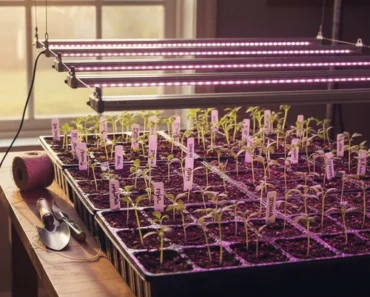
Not everyone has a sunny garden or south-facing window. The solution? Grow lights. Modern LED grow lights are affordable, energy-efficient, and work remarkably well for herbs.
Position the lights 2-4 inches above the plant and keep them on for 10-12 hours daily. This compensates for the lower intensity compared to natural sunlight. Many gardeners set their lights on a timer for consistency.
How to Water Basil Plant Correctly
Watering causes more basil casualties than any other care mistake. Too much water leads to root rot. Too little causes wilting and bitter leaves. The goal is consistency.
The Moisture Balance Basil Needs
Basil wants evenly moist soil, not soggy and not bone dry. Think of a wrung-out sponge. That level of moisture is the target. The soil should feel damp but not waterlogged.
Similar to how hydrangea care guide emphasizes moisture needs, basil also appreciates consistent hydration. But it is less forgiving of standing water than many flowering plants.
Testing Soil Before Watering
Never water on a schedule alone. Always test the soil first. Stick a finger into the soil about 1-2 inches deep. If it feels dry at that depth, water thoroughly. If still moist, wait another day.
This simple test prevents both overwatering and underwatering. The frequency varies based on container size, temperature, humidity, and sunlight. Let the plant guide the schedule.
Indoor vs Outdoor Watering Schedules
Indoor basil typically needs water 1-2 times per week. The consistent temperatures and lack of wind mean moisture evaporates more slowly.
Outdoor basil may need daily watering during hot summer months. Wind, sun, and heat dry out containers quickly. On scorching days, check the soil morning and evening.
Soil, Containers, and Fertilizing Your Basil
The right growing medium sets basil up for success. Poor soil leads to struggling plants no matter how perfect the care routine becomes.
Best Soil Mix for Basil Plants
Basil needs well-draining soil with a pH between 6.5 and 7.5. Standard potting mix works well for containers. For garden beds, amend heavy clay soil with compost to improve drainage.
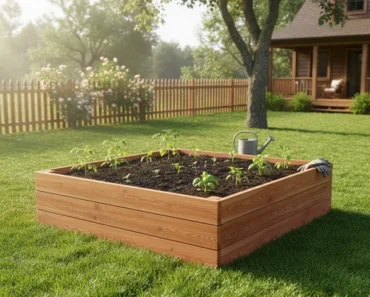
Raised beds make excellent homes for basil. They provide the drainage basil craves while making harvesting convenient. Those interested in outdoor growing should consider building raised garden beds for the best results.
Choosing the Right Container Size
Container size matters more than many gardeners realize. Larger pots retain moisture longer and give roots room to spread. A 10-12 inch pot suits a single basil plant nicely.
Small containers dry out quickly and require more frequent watering. They also limit how large the plant can grow. For indoor windowsill growing, choose the largest pot that fits the space.
When and How to Fertilize Basil
Basil is a moderate feeder. Too much fertilizer produces lots of leaves with weak flavor. Too little leads to slow growth and yellowing.
Use a balanced fertilizer (like 10-10-10) every 2-4 weeks during the growing season. Indoor plants benefit from weekly feeding at half strength. Outdoor plants in rich garden soil may need less supplementation.
Pruning Basil: The Key to Bushy, Productive Plants
Pruning is the secret weapon for impressive basil harvests. Most beginners skip this step, and their plants suffer for it. A properly pruned basil plant produces three to four times more leaves than an unpruned one.
When to Start Pruning (The 6-Leaf Rule)
Begin pruning when the plant has 6 true leaves or reaches 6-8 inches tall. This encourages branching early in the plant’s life. Each cut creates two new growing points, doubling the potential harvest.
How to Prune Above Leaf Nodes
Always cut just above a leaf pair (called a node). Look for the spot where two leaves meet the stem. Make the cut about a quarter inch above this point. Two new stems will grow from that node.
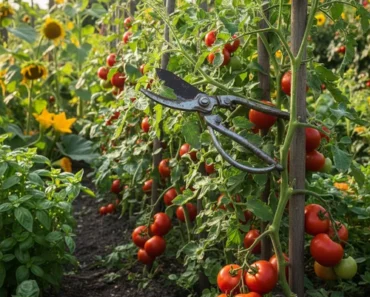
Use clean, sharp scissors or pinch with fingernails. Torn stems heal more slowly and invite disease. The cutting technique for basil shares similarities with tomato plant care principles.
Preventing Flowering for Better Leaves
When basil flowers, the leaves turn bitter and production slows down. The plant thinks its job is done and starts putting energy into seeds rather than foliage.
Remove flower buds as soon as they appear. They look like tiny clusters forming at the tips of stems. Pinching them off early keeps the plant in vegetative mode, producing tender leaves all season long.
How to Harvest Basil Without Killing the Plant
Harvesting correctly encourages more growth. Harvesting incorrectly can stress or even kill the plant. The difference is all in the technique.
Best Time to Harvest (Morning is Ideal)
The best time to harvest basil is in the morning, after the dew dries but before the heat of the day. This is when essential oil concentration peaks. The leaves taste and smell strongest during this window.
The Top-Down Harvesting Method
Always harvest from the top of the plant, not the bottom. Take the topmost leaves and stems, leaving at least 4 inches of plant with 2-3 leaf pairs intact. This method encourages the plant to branch and fill out.
Harvesting from the bottom or randomly weakens the plant structure and reduces future production. Think of it like giving the plant a haircut rather than pulling out random sections.
How Much to Take at Once
Never harvest more than one-third of the plant at a time. This rule allows enough foliage to remain for photosynthesis. The plant needs leaves to produce energy for new growth.
Regular light harvests every 1-2 weeks keep the plant productive all season. This is better than infrequent heavy harvests that stress the plant.
Common Basil Problems and How to Fix Them
Even well-cared-for basil occasionally runs into problems. Knowing how to identify and fix issues quickly saves many plants from an early demise.
Yellow Leaves: Causes and Solutions
Yellow leaves have multiple possible causes:
- Overwatering: The most common culprit. Check if soil is soggy. Allow to dry slightly between waterings.
- Underwatering: Chronic drought stress turns leaves yellow before they brown and crisp. Increase watering frequency.
- Nutrient deficiency: If watering seems correct, the plant may need fertilizer. Try a balanced feed.
- Root bound: Plants in small containers may have exhausted their soil. Repot to a larger container.
Downy Mildew Prevention
Downy mildew is the most serious basil disease. It appears as yellowing on top of leaves with fuzzy purple-brown growth underneath. Once established, it spreads rapidly and is difficult to control.
Prevention is key. Provide good air circulation around plants. Avoid overhead watering. Space plants adequately. Some newer basil varieties have been bred for downy mildew resistance.
Dealing with Pests (Aphids and More)
Aphids love basil. These tiny insects cluster on new growth and suck plant juices. A strong spray of water dislodges them. For heavier infestations, insecticidal soap works well.
Slugs and snails also target basil, especially young plants. Copper tape around containers deters them, as do shallow dishes of beer placed nearby.
Storing and Preserving Your Basil Harvest
A productive basil plant often produces more than one household can use fresh. Proper storage and preservation techniques ensure nothing goes to waste. Following kitchen hygiene practices when handling and storing fresh herbs keeps them safe and flavorful.
Short-Term Storage (The Vase Method)
For short-term storage, treat basil like cut flowers. Trim the stems and place them in a glass of water at room temperature. Cover loosely with a plastic bag and keep on the counter away from direct sun.
Do not refrigerate fresh basil. Cold temperatures cause the leaves to turn black and slimy within days. At room temperature in water, basil stays fresh for 1-2 weeks.
Long-Term Preservation Options
For longer storage, freezing works better than drying. Frozen basil retains more flavor than dried.
- Olive oil cubes: Blend basil with olive oil and freeze in ice cube trays. Pop out cubes and store in freezer bags. Perfect for cooking.
- Flash freezing: Spread individual leaves on a baking sheet, freeze, then transfer to bags. Leaves stay separate for easy use.
- Pesto: Make pesto and freeze in small containers or ice cube trays. Ready to use anytime.
Indoor vs Outdoor Basil Care: Key Differences
The same basil variety behaves differently depending on where it grows. Understanding these differences helps gardeners adjust their care approach.
Indoor basil requires more attention to lighting. Few windows provide the 6-8 hours of direct sun basil craves. Grow lights fill the gap. Indoor plants also benefit from occasional misting to increase humidity, especially in air-conditioned or heated homes.
Outdoor basil faces different challenges. Weather fluctuations, pests, and stronger sun require monitoring. Plants moved from indoors to outside need a hardening off period. Gradually increase outdoor exposure over 7-10 days to prevent shock.
Temperature monitoring becomes critical for outdoor plants in spring and fall. When nighttime temperatures approach 50 degrees, either cover plants or bring containers inside. One cold night can set basil back significantly.
Growing Basil Success Starts Today
Learning to care for basil plant properly transforms the herb-growing experience. What once seemed mysterious becomes straightforward: plenty of sun, consistent moisture, regular pruning, and attention to temperature. These fundamentals apply whether the basil sits on a sunny windowsill or grows in a garden bed.
The journey from struggling plant to bountiful harvest does not require special skills. It requires understanding. Now that understanding is in hand. The next step is simple: start growing.
For those ready to expand their herb garden beyond basil, this site offers guides on everything from growing companion plants like tomatoes to creating the perfect raised bed setup. Fresh, homegrown herbs are just the beginning of a more flavorful kitchen.