In the world of nutrition, new diets appear every year, promising quick weight loss or better health. But among all these trends, one eating style stands out because of how unusual and bold it is—the Carnivore diet. It attracts people who want simplicity, fast results, and a diet that cuts out confusion. Some try it out of curiosity, while others turn to it after struggling with long-term digestive or autoimmune issues. A diet based only on meat sounds extreme, but it has gained popularity worldwide. This article explores the roots, logic, advantages, and risks of this diet, in a simple and easy-to-understand manner.
What Is the Carnivore Diet?
Many people first hear about this diet and ask, what is the carnivore diet? At its core, it is an eating pattern where a person consumes only animal foods. There are no fruits, no vegetables, no grains, and no nuts. This style of eating is sometimes called a meat only diet, and some followers prefer calling it an all meat diet. It is based on the idea that early humans survived mainly on animal-based foods, and therefore our bodies might function better on them.
Unlike balanced diets that include varied nutrients from different food groups, this approach focuses only on animal protein and animal fat. Supporters believe that cutting out plant foods helps reduce inflammation and digestive discomfort. But critics argue that removing whole food groups may lead to deficiencies and long-term health concerns.
What Can You Eat on the Carnivore Diet?
When someone begins this diet, the first question they ask is—what can you eat on the carnivore diet? The answer is surprisingly simple: anything that comes from an animal. But the diet also encourages choosing foods that are nutrient-dense and naturally rich in protein and healthy fats. Here is how foods are generally categorized:
- Beef: steak, roasts, minced beef, ribs
- Poultry: chicken, turkey, duck
- Seafood: fish and shellfish
- Eggs of all types
- Organ meats like liver and kidney
- Bone broth
- Animal fats such as tallow, ghee, and butter
Followers usually avoid processed meats that contain additives. They also stay away from sugar, carbs, and even dairy, depending on their tolerance. The idea is to keep the diet simple, natural, and close to ancestral eating patterns.
Carnivore Diet Food List
A well-structured carnivore diet food list helps beginners understand what fits into this eating style. While the list seems short compared to traditional diets, each category is rich in nutrients.
1. Beef and Red Meat
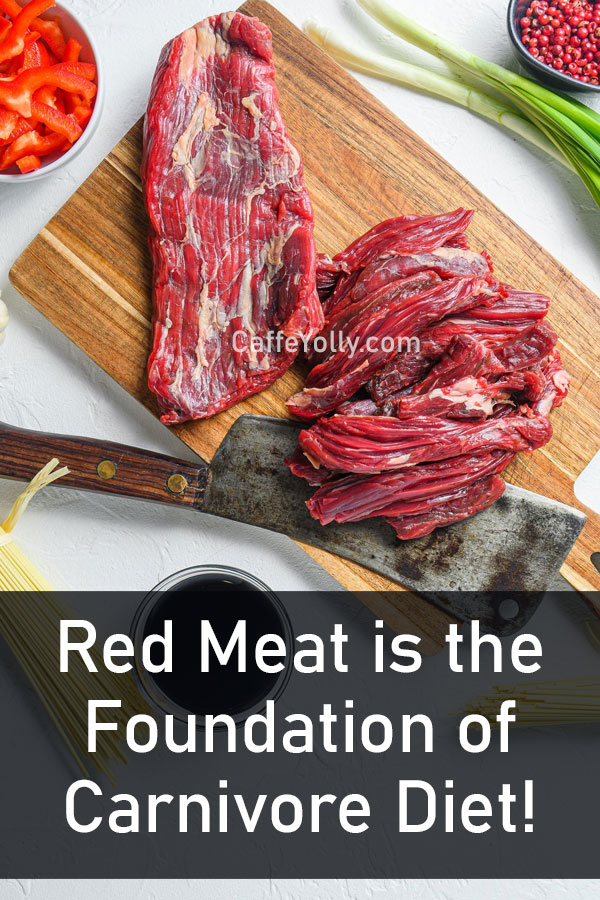
Red meat is considered the foundation of this diet because it provides complete protein, iron, zinc, and B vitamins. Many people prefer beef because it is filling and keeps them satisfied for hours. Grass-fed options may offer more omega-3 fats, but regular beef also works well. Lamb, goat, and buffalo are good alternatives for those who want variety. Red meat supports muscle repair, improves satiety, and gives steady energy without sudden spikes in blood sugar. In fact, many followers say beef-based meals help them maintain stable energy throughout the day.
2. Poultry and Eggs
Chicken, duck, turkey, and eggs are commonly included because they are gentle on digestion and easy to cook. Eggs are considered a near-perfect food as they contain healthy fats, amino acids, and vitamins. Poultry is often chosen by beginners who want to transition into the diet slowly. These foods allow flexibility in taste and preparation. Boiled eggs, grilled chicken, and roasted turkey become everyday meals for many people. While poultry is lighter than red meat, it still offers a steady source of protein.
3. Fish and Seafood
Seafood plays an important role because it provides omega-3 fatty acids, which support heart and brain health. Fish like salmon, mackerel, and sardines add healthy fats that balance the diet. Shellfish such as prawns, crab, and oysters supply minerals like selenium and iodine. These nutrients are especially useful for thyroid and hormone balance. Seafood helps prevent monotony in a diet that otherwise revolves around red meat. Many people include fish several times a week for variety, better nutrition, and improved digestion.
Carnivore Diet Meal Plan
A simple carnivore diet meal plan is useful for understanding how a day on this diet looks. Here is a one-day sample that beginners often find easy to follow:
- Breakfast: 3–4 eggs cooked in ghee + a small portion of grilled chicken
- Lunch: Beef steak or mutton chops cooked in animal fat
- Dinner: Salmon cooked in butter + bone broth
- Snacks (optional): Hard-boiled eggs or small pieces of cheese (if tolerated)
This plan emphasizes protein-rich meals that keep hunger controlled. People often notice that eating this way naturally reduces cravings for sugar and processed foods. Hydration is important, so followers drink water, salt water, or bone broth through the day.
Carnivore Diet Benefits

The carnivore diet benefits shared by followers are often surprising and varied. While scientific research is still growing, many people describe noticeable physical and mental changes during the first few weeks. These improvements mostly come from removing processed foods, added sugars, excess carbohydrates, and possible irritants. Below are some expanded and detailed benefits reported by many individuals:
1. Better Energy Levels Throughout the Day
Some people feel a steady stream of energy after switching to meat-based eating. This happens because removing high-carb foods prevents sudden spikes and crashes in blood sugar. Without the frequent ups and downs, the body learns to use fat for fuel, leading to more stable energy.
- People often say they feel less sleepy after meals.
- There are fewer mid-day crashes because insulin fluctuations reduce.
- Endurance may improve as the body becomes more efficient at burning fat.
2. Reduced Bloating and Digestive Ease
Because this diet eliminates fiber-rich foods, grains, and vegetables that may cause gas or irritation, many followers experience lightness in digestion. Those with irritable bowel symptoms sometimes feel relief.
What people commonly experience:
- Less gas and stomach discomfort
- Reduced bloating after meals
- More predictable digestion due to fewer irritants
This benefit varies from person to person, but those sensitive to plant fibers often find significant improvement.
3. Faster Weight Loss Without Counting Calories
The diet’s high protein and high fat nature keeps a person full for longer periods. This naturally reduces overall food intake.
- Protein boosts metabolism, helping burn calories even at rest.
- Cravings for sweets reduce because sugar is removed from the diet.
- Lower insulin response may help break stored fat more easily.
People who have struggled with emotional eating sometimes feel more control because appetite becomes simpler.
4. More Stable Blood Sugar Levels
Removing processed carbohydrates may help people maintain consistent blood sugar levels. Some individuals with insulin resistance feel better control, though medical guidance is necessary.
- No sugary foods means fewer spikes in glucose.
- Improved insulin sensitivity may occur in some individuals.
- Those who previously felt shaky or weak between meals often feel more balanced.
5. Relief From Food Sensitivities and Allergies
The diet removes gluten, dairy (if excluded), preservatives, seed oils, lectins, and other irritants. For people with undiagnosed sensitivities, this elimination often brings relief.
Common improvements include:
- Fewer headaches
- Reduced skin irritations
- Less joint pain
- Better digestion due to reduced inflammation
Some people later reintroduce foods slowly to identify what was causing problems earlier.
6. Improved Sleep Quality
Many followers notice that falling asleep becomes easier, and nighttime hunger reduces. A few possible reasons could be –
- Stable blood sugar
- Higher intake of amino acids like tryptophan
- Reduced digestive discomfort at night
People also report fewer midnight cravings because the diet prevents overeating during the day.
7. Enhanced Mental Clarity and Focus
Some individuals feel a sharper mind, fewer distractions, and better concentration after adopting the diet.
Why this may happen:
- Ketones produced from fat-burning support brain function
- No sugar highs and lows
- Reduction in inflammatory foods may support clearer thinking
This is one of the most commonly shared benefits on online forums.
8. Simple, No-Confusion Eating Style
The simplicity of the diet is a benefit in itself. Many people feel relief because they do not have to plan complicated meals.
What makes it easy –
- No calorie counting
- No portion measurement
- No ingredient checking
- Quick meal prep (meat + salt + cooking fat)
Even people with busy schedules find it easy to follow.
9. Fewer Cravings and Better Appetite Control
Protein and fat naturally increase satiety. For many individuals, this reduces emotional eating and unnecessary snacking.
- Fewer cravings for sweets and salty snacks
- Less emotional attachment to food
- More predictable hunger cycles
This benefit is particularly appreciated by people who struggled with excessive eating behaviors.
10. Possible Reduction in Joint Pain and Inflammation
Some people experience relief from joint stiffness or swelling. This may be linked to reduced intake of foods that cause inflammatory responses in certain individuals. A few potential reasons could be –
- Removal of sugar
- No processed oils
- No allergens or irritants
- Increased omega-3 if fish consumption is high
Though not medically guaranteed, many anecdotal reports show improvement.
11. Better Skin Health for Some Individuals
Several followers reported clearer skin or fewer acne flare-ups after switching to an animal-only eating pattern.
A few possible reasons for the improvement in the skin quality could be –
- Reduced intake of dairy or gluten (common triggers)
- No processed foods
- More zinc, collagen, and essential fatty acids from meats
- People with chronic acne or eczema sometimes notice positive changes.
While the above-mentioned benefits sound encouraging, they may not be universal. Individual health conditions, metabolism, stress levels, and genetics all play a role. Scientific research on long-term effects is still limited, so professional guidance is recommended.
Pros and Cons of Carnivore Diet
There are clear pros and cons of carnivore diet, and understanding them helps people make a safe decision.
Pros
- Simple rules make it easy to follow
- High protein intake helps preserve muscle mass
- Many followers feel reduced bloating and digestive improvement
- Removes processed foods, sugar, and junk snacks
- May stabilize appetite and reduce cravings
Cons
- May lead to vitamin and mineral deficiencies
- Completely removes fruits, vegetables, and fiber
- Can feel repetitive or restrictive over time
- Socially difficult to follow in family or work gatherings
- Not suitable for people with certain medical conditions
Each person responds differently, so the diet should be approached carefully.
Is the Carnivore Diet Safe?
Many people wonder, is the carnivore diet safe? The answer is not the same for everyone. Short-term use may help certain individuals lose weight or manage specific health problems. But long-term safety is uncertain because the diet removes whole food groups that offer fiber, antioxidants, and vitamins. People with kidney issues, heart disease risk, or high cholesterol should avoid starting this diet without medical guidance. Children, pregnant people, and older adults also need balanced nutrition and should not follow restrictive eating patterns. While some people thrive on this diet, others experience fatigue or nutrient imbalance. It is best to monitor blood levels and speak with a healthcare professional before starting.
Carnivore Diet Side Effects
Understanding carnivore diet side effects is important before beginning. Common issues include constipation because the diet lacks fiber. Some people initially experience headaches, fatigue, or irritability as their bodies adjust to burning fat instead of carbohydrates. Others may notice changes in cholesterol levels, which need medical evaluation. There can also be cravings for sweet or salty foods in the early stages. A few people feel digestive discomfort when switching from mixed meals to heavy protein meals. Hydration, electrolytes, and slow adaptation may help reduce these symptoms. If severe side effects appear, the diet should be stopped immediately.
Final Words
The meat diet has gained popularity as people search for simple, clear, and effective ways to manage their health. The meat only diet may offer benefits such as weight control, fewer cravings, and more stable appetite. But it also comes with restrictions that may not suit everyone. As a dietician with years of experience, I believe that every diet should be chosen with awareness, guidance, and personal understanding. The Carnivore diet can be powerful for some people, but it should never replace professional advice. Balanced nutrition, regular monitoring, and listening to the body are essential for long-term health.