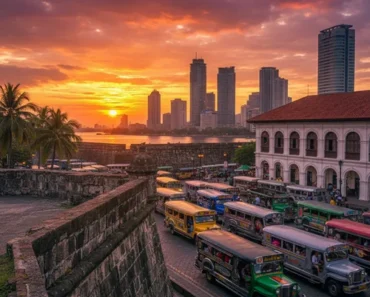
Why Some Travelers Almost Skip Cebu City (And Why They’re So Glad They Didn’t)
Cebu City in Philippines often gets overlooked by first-time visitors to Southeast Asia. Many travelers head straight to Manila or skip the country entirely for Thailand or Vietnam. They hear about traffic, heat, and unfamiliar customs. Their anxiety builds. But something magical happens when a traveler finally steps off the plane at Mactan-Cebu International Airport.
The warmth hits first – not just the tropical air, but the genuine smiles from locals. The chaos that seemed intimidating from travel blogs suddenly feels like adventure. And within hours, most visitors wonder why they almost missed this place entirely.
This guide covers everything a first-timer needs to know about visiting Cebu City. From safety concerns to hidden gems, from budget tips to sample itineraries – consider this a friend’s advice before the journey begins.
What Makes Cebu City Different From Other Philippine Destinations
The Philippines offers dozens of incredible destinations. But Cebu holds a special place that balances city culture with island paradise in ways other locations simply cannot match.
Cebu vs Manila: Which Should Visitors Choose First?
Many travelers debate between Cebu and Manila for their first Philippine adventure. Manila offers world-class museums, historical sites, and urban energy. Cebu offers something different – the same cultural richness with easier access to nature.
The numbers tell an interesting story. Cebu welcomed 3 million tourists in 2024 alone, generating P38 billion in tourism receipts. Approximately 1.9 million foreign visitors chose Cebu specifically over other destinations. For first-timers seeking a well-rounded introduction to the Philippines, Cebu often makes the better starting point.
Budget-conscious travelers will appreciate the difference too. The average daily cost in Cebu runs about $77 per person compared to $102 in Manila. That extra money goes a long way toward island hopping adventures and local food experiences.
For those curious about the capital, our Manila first-timer’s guide covers everything needed to plan that trip too.
The Perfect Balance: City Culture Meets Island Paradise
What truly sets Cebu apart? Location. The city sits at the heart of the Visayas region, making it the perfect base for exploring pristine beaches, world-class diving spots, and untouched islands. A traveler can explore ancient churches in the morning and swim with whale sharks by afternoon.
The city itself never feels overwhelming like Manila’s sprawling neighborhoods. Getting from historical sites to beach resorts takes an hour or less. This compact layout means more time enjoying and less time stuck in transit.
When to Visit Cebu City: Timing the Trip Right
Choosing when to visit can make or break a Cebu adventure. Much like seasonal travel planning for other destinations, timing matters here too.
Best Weather: December to May
The sweet spot falls between December and May when skies stay clear and rain rarely interrupts plans. February through May brings the hottest, driest weather – perfect for beach days and island hopping.
However, December through January marks peak tourist season. Prices climb higher. Popular spots get crowded. Smart travelers book accommodations well in advance during these months.
- 3-5 days: Perfect for city highlights and one major adventure
- 7-10 days: Comprehensive trip including island hopping and multiple activities
Sinulog Festival: January’s Cultural Highlight
Every third Sunday of January, Cebu transforms. The Sinulog Festival brings colorful processions through city streets. Dancers in vibrant costumes move to rhythmic drums. The entire city celebrates its patron saint, the Santo Niño.
Attending Sinulog creates unforgettable memories. But visitors should prepare for massive crowds and book lodging months ahead. Some travelers specifically plan their trips around this cultural explosion.
Getting to Cebu City: What First-Timers Need to Know
Flying Into Mactan-Cebu International Airport
Most travelers arrive at Mactan-Cebu International Airport, located on Mactan Island about one hour from Cebu City center. Both international and domestic flights serve this modern airport.
The journey from airport to city center varies depending on traffic. Rush hour can double travel time. Many visitors grab a Grab (the local ride-hailing app) right from the arrivals area for transparent pricing.
Entry Requirements and Documentation
Philippine immigration requires proof of onward travel. This means having a roundtrip ticket or an exit flight already booked before arrival. Some travelers have been denied entry without this documentation.
Most nationalities receive 30 days visa-free entry. Checking specific requirements based on passport country prevents last-minute surprises at immigration.
Is Cebu City Safe? What Statistics and Experience Actually Show
Safety questions top every first-timer’s list. The honest answer? Cebu is generally safe for tourists, but awareness matters. Similar principles apply here as our safety tips for travelers recommend for any destination.
Common Safety Concerns for Tourists
Petty crime exists – pickpocketing, bag snatching, occasional taxi scams. These concerns mirror what travelers face in most tourist destinations worldwide. Violent crime against tourists remains rare.
The key difference? Cebu feels safer than it statistically might be. Locals genuinely watch out for visitors. Ask for directions and someone will likely walk you there personally.
Scams to Watch Out For
Knowing common scams helps travelers avoid them entirely:
- Unlicensed taxi drivers: They quote inflated prices or “forget” to use meters. Solution? Use Grab exclusively.
- Currency exchange scams: Unofficial money changers offer great rates then shortchange customers. Stick to banks or official exchange counters.
- Street vendor overcharging: Prices mysteriously triple for obvious tourists. Ask locals about fair prices first.
- Unsolicited help: Strangers offering “help” sometimes expect payment. Politely decline unwanted assistance.
Safe Areas vs Areas to Avoid
Certain neighborhoods offer more security than others. IT Park, Ayala Center, and Capitol Site maintain higher police presence. Mactan Island resorts employ private security teams.
General rules keep most travelers safe: avoid walking alone after 10 PM, skip flashy jewelry, keep phones in secure pockets. For those traveling solo, extra precautions make sense anywhere in Southeast Asia.
Getting Around Cebu City: Transportation Tips
Best Options for Tourists
The Grab app revolutionizes Cebu travel for visitors. Upfront pricing eliminates haggling. GPS tracking provides security. Driver profiles add accountability. Download it before arrival.
Jeepneys offer authentic local experiences for the adventurous. These colorful converted jeeps follow loose routes with no schedules. They’re cheap but confusing for newcomers. Consider them after getting oriented to the city.
Traditional taxis still operate but require vigilance. Always insist the driver uses the meter or negotiate a fair price before entering. The hassle often isn’t worth it when Grab exists.
Renting a Motorbike: Is It Worth It?
Outside city center, motorbikes become the freedom machines travelers dream about. Rentals run 300-500 pesos daily (roughly $6-10). Winding coastal roads and mountain paths open up entirely new adventures.
However, city traffic terrifies even experienced riders. Save motorbikes for exploring the countryside. Within Cebu City itself, Grab remains the smartest choice.
Top Things to Do in Cebu City: Must-See Attractions
Historical and Cultural Sites
History runs deep in Cebu. Magellan’s Cross, planted in 1521, marks where Christianity first took root in the Philippines. Nearby stands the Basilica del Santo Niño, built in 1565 – the oldest church in the country.
Fort San Pedro tells stories of Spanish colonial defense. The Cebu Taoist Temple, perched 110 meters above the city, offers panoramic views alongside dragon sculptures and traditional architecture.
These sites cluster close together. A half-day covers them all comfortably, leaving afternoons free for adventure.
Adventure Activities Near Cebu City
Kawasan Falls canyoneering tops most travelers’ lists. The adventure involves cliff jumps, natural water slides, and swimming through turquoise pools. Licensed guides lead the way through this unforgettable experience. Aqua shoes are essential – regular sandals won’t cut it.
Whale shark encounters create memories that last lifetimes. These gentle giants swim alongside visitors in designated areas. Arrive by 6 AM to avoid crowds. Skip the sunscreen – it harms the sharks. Choose ethical operators who follow protection guidelines.
The Moalboal Sardine Run amazes even seasoned divers. Thousands of sardines swim in perfect unison just 30 meters from shore. Snorkeling gear is all that’s needed to witness this natural phenomenon.
Island Hopping and Beach Destinations
Mactan Island offers the closest beach escape. Water activities abound – kayaking, snorkeling, and world-class diving await just an hour from downtown.
Malapascua Island draws divers seeking rare thresher sharks. Its powdery white beaches rival any in Southeast Asia. Bantayan Island provides the quiet escape crowds haven’t discovered yet.
The Cebu Safari and Adventure Park houses the largest zoo in the Philippines plus Asia’s longest zipline at 1.2 kilometers. Families especially love this combination of wildlife and thrills.
Where to Stay in Cebu City: Best Areas for First-Timers
Location choice shapes the entire Cebu experience. Three areas consistently work well for visitors:
- IT Park Area: Modern atmosphere, excellent restaurants, safe streets for evening walks
- Ayala Center Area: Shopping paradise with easy access to everything, business district energy
- Mactan Island Resorts: Beach access, private security, quieter pace – perfect for wellness travel experiences
Budget travelers find hostels under $15/night. Mid-range hotels offer comfort around $40-60. Luxury resorts on Mactan start around $150 but deliver world-class experiences.
Cebu Food Visitors Can’t Miss: Local Delicacies
Lechon: Cebu’s Pride
Cebu lechon – roast pig with impossibly crispy skin – earns legendary status throughout the Philippines. The town of Carcar produces what many consider the finest lechon anywhere. The crackling skin shatters with each bite while juicy meat melts away.
Every visitor should experience lechon at least once. Some restaurants sell it by the kilo. Others offer smaller portions for solo travelers.
Street Food and Snacks
Puso – rice wrapped in woven coconut leaves – pairs perfectly with any Filipino meal. Street vendors sell these everywhere for pennies. They’re the ideal snack while exploring.
Filipino cuisine leans heavily on pork and chicken. Vegetarians and vegans face challenges here. Special diets require extra planning and often limiting meals to international restaurants.
Fine dining surprises with its affordability. All-you-can-eat buffets at luxury hotels cost around $20. Meals that would cost $100 elsewhere run $30-40 in Cebu.
Money Matters: Costs and Cash Tips
Cebu rewards budget-conscious travelers. The average tourist spends about $2,073 total per visit – quite reasonable for a week or more of tropical adventure.
- ATMs grow scarce outside city centers – carry enough cash for day trips
- Small denominations work best: PHP 20, 50, and 100 bills
- Credit cards work at malls and resorts but nowhere else reliably
- Exchange money only at banks or official counters
What to Pack for Cebu City
Tropical packing follows simple rules. Light, airy clothing keeps travelers comfortable in heat and humidity. Quick-dry fabrics handle unexpected rain and water activities.
Church visits require modest attire. The Basilica del Santo Niño and other religious sites expect covered shoulders and knees. Pack at least one respectful outfit.
Aqua shoes prove essential for canyoneering and beach activities. Regular sandals get destroyed or lost in rapids.
Perhaps counterintuitively, simple clothing works best. Jeans and t-shirts help visitors blend in. Flashy outfits and expensive jewelry attract unwanted attention. Looking like a wealthy tourist makes travelers targets.
Our comprehensive packing checklist covers everything else needed for any tropical destination.
Sample 3-Day and 5-Day Cebu Itineraries
3-Day Quick Trip: City and Kawasan Falls
Day 1: Land at Mactan Airport, transfer to city hotel. Afternoon exploration of Magellan’s Cross, Basilica del Santo Niño, and Fort San Pedro. Evening at IT Park for dinner and people-watching.
Day 2: Early departure for Kawasan Falls canyoneering (full-day adventure). Return exhausted but exhilarated. Casual dinner near hotel.
Day 3: Morning visit to Cebu Taoist Temple for sunrise views. Lunch featuring Cebu lechon. Afternoon shopping at Ayala Center. Evening flight home.
5-Day Comprehensive: Add Island Hopping
Days 1-3: Follow the 3-day itinerary above.
Day 4: Whale shark experience (depart 4 AM, return by noon). Afternoon at Moalboal for the sardine run. Sleep near Moalboal.
Day 5: Beach morning at Mactan Island. Final lechon lunch. Airport transfer for evening flight.
Final Tips for First-Time Visitors to Cebu City
Patience becomes a traveler’s greatest tool in Cebu. Schedules rarely exist outside the city. Buses leave when full, not at posted times. Embracing this randomness transforms frustration into adventure.
Local knowledge beats any guidebook. Hotel staff and accommodation hosts know current conditions better than any article. Ask them about transportation, restaurant recommendations, and current scams to watch for.
Child beggars break hearts throughout tourist areas. Giving money encourages more children to beg rather than attend school. Instead, consider donating to local charities that help families directly.
Basic Cebuano phrases earn enormous goodwill. “Salamat” (thank you) and “Maayong buntag” (good morning) make locals smile. They appreciate the effort even when pronunciation fails miserably.
The tropical heat demands constant hydration. Carry water everywhere. Take breaks in air-conditioned spaces. Heatstroke ruins trips faster than any scam.
Above all, bring flexibility. The best Cebu memories come from unexpected moments – a conversation with a jeepney driver, a sunset that appeared from nowhere, a food stall recommendation from a stranger. The travelers who thrive here release their rigid plans and embrace whatever comes next.
Cebu City in Philippines waits for those brave enough to discover it. The beaches gleam. The lechon sizzles. The locals welcome strangers like family. And every traveler who almost skipped this place leaves wondering how they ever considered missing it.