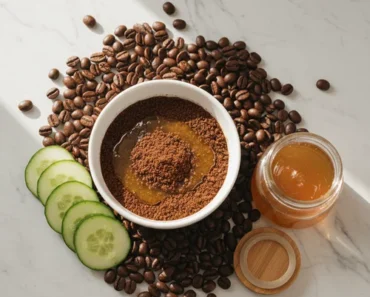
For anyone who has ever blotted their face with a tissue by noon, the search for DIY face masks for oily skin feels like a quest for the holy grail. Sandra remembers standing in her bathroom years ago, staring at a shiny forehead in the mirror, wondering if her skin would ever cooperate. She had tried countless store-bought products that promised miracles. Most left her wallet lighter and her skin just as slick.
Then she discovered the power of natural ingredients sitting right in her kitchen. What started as desperation became a genuine passion for homemade skincare. These ten recipes represent years of trial, error, and finally—success. They work because science backs them up, not because someone in marketing said so.
Why DIY Face Masks Work for Oily Skin (The Science Behind It)
Understanding why skin gets oily in the first place helps explain why certain ingredients work so well. It turns out that those shiny patches and clogged pores have a biological explanation that makes treatment much simpler than one might think.
Understanding Sebum Production and What Causes Oily Skin
Tiny glands under the skin called sebaceous glands produce an oily substance called sebum. Everyone needs some sebum—it keeps skin soft and protected. But for some people, these glands work overtime. Studies show that people with acne produce about 59% more sebum than those without skin issues. Hormones, genetics, and even stress can push these glands into overdrive.
Here’s an interesting fact: about 70% of women experience acne flare-ups right before their period. Hormones play a bigger role than many realize. Taking vitamins that support healthy skin from the inside can help balance what happens on the outside.
How Natural Ingredients Control Excess Oil
Clays like bentonite and kaolin act like tiny sponges. They absorb excess oil without stripping skin completely dry. A 2023 clinical study with 75 participants found that clay masks significantly improved sebum levels, reduced comedones (those annoying clogged pores), and even boosted skin hydration over four weeks.
Ingredients like honey work differently. Honey is a natural humectant and antibacterial agent. It fights the bacteria that cause breakouts while adding moisture—without the grease. Green tea contains polyphenols that calm inflammation and regulate oil production. One study showed that 3% green tea products reduced sebum significantly after 60 days of use.
10 Best DIY Face Masks for Oily Skin
Each of these masks targets different concerns—from deep cleaning to gentle soothing. Sandra has tested every single one over the years. Some became weekly staples. Others she reserves for specific skin emergencies. All of them actually work.
1. Bentonite Clay and Apple Cider Vinegar Deep Cleansing Mask
What You Need:
- 1 tablespoon bentonite clay
- 1 tablespoon apple cider vinegar
- 1 teaspoon water (if needed)
How to Make It: Mix the clay and vinegar in a non-metal bowl until smooth. Add water if the paste feels too thick. Apply to clean skin, avoiding the eye area. Leave on for 10-15 minutes until the mask starts to dry. Rinse with warm water.
This mask is a powerhouse for pulling out impurities. Bentonite clay carries a negative charge that attracts positively charged toxins and oils. The apple cider vinegar helps balance skin pH while providing gentle exfoliation. Sandra considers this her “reset button” mask for when skin feels especially congested.
2. Honey and Lemon Clarifying Mask
What You Need:
- 2 tablespoons raw honey
- 1 teaspoon fresh lemon juice
How to Make It: Mix honey and lemon juice until combined. Apply to face and leave on for 15-20 minutes. Rinse thoroughly with lukewarm water. Important: Only use this mask at night—lemon can make skin sensitive to sunlight.
Honey fights acne-causing bacteria while lemon’s citric acid brightens and helps control oil. This combination works beautifully for dull, congested skin that needs a glow-up. Just remember that lemon makes skin photosensitive, so avoid sun exposure after using this mask.
3. Yogurt and Turmeric Anti-Acne Mask
What You Need:
- 2 tablespoons plain yogurt
- 1/2 teaspoon turmeric powder
- 1 teaspoon honey (optional)
How to Make It: Combine all ingredients into a smooth paste. Apply evenly and leave on for 15 minutes. Rinse well—turmeric can temporarily stain skin, so follow with your regular cleanser if needed.
Yogurt contains lactic acid, a gentle exfoliant that removes dead skin cells without irritation. Turmeric brings powerful anti-inflammatory properties that calm angry, inflamed skin. Those interested in exploring turmeric’s benefits further might enjoy making a turmeric face scrub for regular exfoliation.
4. Oatmeal and Yogurt Exfoliating Mask
What You Need:
- 2 tablespoons ground oatmeal
- 2 tablespoons plain yogurt
- 1 tablespoon honey
How to Make It: Blend oatmeal into a fine powder. Mix with yogurt and honey. Apply to damp skin and gently massage in circles. Leave for 10-15 minutes, then rinse while gently scrubbing.
This mask does double duty—it absorbs oil while physically removing dead skin cells. Oatmeal is naturally soothing, making this perfect for oily skin that’s also sensitive. Sandra’s teenage daughter swears by this one for her combination skin.
5. Egg White Pore-Tightening Mask
What You Need:
- 1 egg white
- 1 teaspoon lemon juice (optional)
How to Make It: Whisk the egg white until slightly frothy. Apply a thin layer to clean skin. Let dry completely (about 15-20 minutes)—the tightening sensation means it’s working. Rinse with cool water.
Egg whites are nature’s pore minimizer. As the mask dries, it tightens skin and pulls excess oil from pores. The proteins also help tone and firm the skin’s surface. This mask works best for those who need a quick tightening effect before an event.
6. Green Tea and Kaolin Clay Purifying Mask
What You Need:
- 1 tablespoon kaolin clay
- 2 tablespoons cooled green tea
- 1 teaspoon honey
How to Make It: Brew green tea and let it cool completely. Mix with clay and honey until smooth. Apply and leave for 15 minutes. Rinse thoroughly.
Green tea’s antioxidants fight free radicals while regulating sebum production. Kaolin clay is gentler than bentonite, making this ideal for daily or every-other-day use. Those curious about the benefits of green tea in skincare will appreciate how this ingredient works across multiple product types.
7. Gram Flour (Besan) and Rose Water Brightening Mask
What You Need:
- 2 tablespoons gram flour
- Enough rose water to make a paste
- Pinch of turmeric (optional)
How to Make It: Mix gram flour with rose water until you get a spreadable consistency. Apply evenly and let dry for 15-20 minutes. Rinse with lukewarm water.
This traditional recipe comes from Ayurvedic beauty practices. Gram flour absorbs excess oil and gently exfoliates, while rose water soothes and tones. Sandra’s mother-in-law shared this recipe with her years ago, and it remains a favorite for achieving that natural glow.
8. Aloe Vera and Tea Tree Oil Soothing Mask
What You Need:
- 2 tablespoons fresh aloe vera gel
- 2-3 drops tea tree essential oil
How to Make It: Mix aloe gel with tea tree oil. Apply a thin layer and leave for 20-30 minutes. This mask doesn’t dry hard—it stays gel-like. Rinse or leave on overnight for extra hydration.
Perfect for oily skin that’s also irritated or inflamed. Aloe vera calms redness and provides lightweight hydration. Tea tree oil is a natural antibacterial that fights acne without harsh chemicals. Never use undiluted tea tree oil—always mix it with a carrier like aloe.
9. Papaya and Honey Enzyme Mask
What You Need:
- 1/4 cup ripe papaya, mashed
- 1 tablespoon honey
How to Make It: Mash the papaya until smooth. Mix in honey. Apply to face and leave for 15-20 minutes. Rinse well with cool water.
Papaya contains an enzyme called papain that naturally dissolves dead skin cells. This is chemical exfoliation at its gentlest. Combined with honey’s antibacterial properties, this mask leaves skin smooth, clear, and balanced. It smells like a tropical vacation too.
10. Multani Mitti (Fuller’s Earth) Oil-Absorbing Mask
What You Need:
- 2 tablespoons multani mitti
- Rose water or plain water to mix
- Few drops of lemon juice (optional)
How to Make It: Mix the clay with enough liquid to form a smooth paste. Apply to oily areas—forehead, nose, and chin work best. Leave for 15 minutes and rinse.
Fuller’s earth is one of the most absorbent clays available. It pulls oil from deep within pores while improving skin tone. This mask works especially well for extremely oily T-zones. Sandra uses it before special occasions when she needs her makeup to last all day.
How to Use DIY Face Masks for Best Results
Making a great mask is only half the battle. How and when someone uses it matters just as much. Following these guidelines will maximize results and prevent common problems.
How Often Should You Use Face Masks for Oily Skin?
For oily skin, 2-3 masks per week hits the sweet spot. Using masks too often can strip away so much oil that skin overcompensates by producing even more. Those with sensitive-oily combination skin should start with once weekly and increase gradually.
Sandra learned this lesson the hard way during her twenties. She used clay masks daily, thinking more was better. Her skin became dry, irritated, and then oilier than ever as it tried to recover. Moderation really is key.
Step-by-Step Application Technique
- Start with clean skin. Remove makeup and cleanse thoroughly. Some people like to use a facial sugar scrub first for deeper preparation.
- Open pores. Steam face over warm water or apply a warm washcloth for 2-3 minutes.
- Apply evenly. Use clean fingers or a mask brush. Avoid the delicate eye area.
- Time it right. Set a timer. Leaving masks on too long can irritate skin.
- Rinse thoroughly. Lukewarm water works best. Make sure no residue remains.
- Moisturize. Even oily skin needs moisture after masking. Choose a lightweight natural face lotion or organic moisturizer that won’t clog pores.
Understanding proper skincare layering ensures each product works effectively without causing congestion or irritation.
5 Common DIY Face Mask Mistakes (And How to Avoid Them)
Even the best recipes can backfire when used incorrectly. These common mistakes can turn a helpful treatment into a skin disaster.
- Leaving masks on too long: When a clay mask is completely dry and cracking, it’s been on too long. Remove while still slightly tacky to avoid over-drying.
- Over-exfoliating: Using multiple exfoliating treatments (scrubs plus masks plus acids) damages the skin barrier. Pick one exfoliation method per session.
- Using harsh ingredients: Cinnamon can burn. Undiluted essential oils irritate. Baking soda disrupts pH balance. Not everything “natural” is safe for skin.
- Skipping patch tests: Always test new ingredients on the inner wrist or behind the ear 24 hours before applying to face. Nut allergies and citrus sensitivities are common.
- Poor storage: Homemade masks lack preservatives. Make fresh batches each time, or refrigerate in a clean, sealed container for no more than a few days.
Sandra once made a mask with cinnamon, thinking it would improve circulation. The burning sensation that followed taught her to research every ingredient thoroughly before putting it on her face. Some lessons stick with a person.
When to Skip DIY and See a Dermatologist
DIY masks work wonderfully for everyday oily skin management. But some situations require professional help. Knowing when to seek expert care prevents wasted time and potential scarring.
Consider seeing a dermatologist if:
- Severe cystic acne develops deep, painful bumps that don’t respond to home treatment
- Skin shows persistent irritation, redness, or allergic reactions
- No improvement appears after 4-6 weeks of consistent home care
- Hormonal issues seem to be driving constant breakouts
- Scarring or dark spots from previous acne need professional treatment
With 9.38% of the global population dealing with acne, this is one of the most common skin conditions dermatologists treat. There’s no shame in asking for help when home remedies aren’t enough.
Final Thoughts on Natural Skincare for Oily Skin
Managing oily skin doesn’t require expensive products or complicated routines. These ten masks use simple ingredients that work with skin’s natural processes rather than against them. The key is consistency—finding one or two favorites and using them regularly as part of a solid daily skincare routine.
Sandra has spent years perfecting her approach to oily skin. What she’s learned is that gentleness beats aggression every time. Over-treating oily skin creates more problems than it solves. These natural masks absorb excess oil, clear pores, and leave skin balanced—without the harsh stripping that triggers rebound oiliness.
Start with one mask that sounds appealing. Test it for a few weeks. Pay attention to how skin responds. Then add variety as comfort grows. The perfect routine is personal, and discovering what works takes some experimentation. But the journey toward clearer, more balanced skin is absolutely worth it.