Some words never leave us. They follow us through decades, popping up in casual conversations, family dinners, and quiet moments of recognition. Famous movie quotes have a strange power that way. They burrow into our memories and become part of how we talk, think, and connect with one another.
Walk into any room in America and say “I’ll be back” in a certain tone. Heads will turn. People will smile. That instant recognition speaks to something remarkable about how cinema shapes our shared language. These aren’t just lines from scripts. They’re cultural passwords that unlock instant understanding between strangers.
This exploration of entertainment history reveals why certain phrases become immortal while millions of others fade into forgotten reels.
Why Movie Quotes Become Part of Our Lives
There’s something almost magical about the way a single line from a film can embed itself in collective memory. A father watches The Godfather with his teenage son. Years later, at a family gathering, someone mutters “I’m gonna make him an offer he can’t refuse” about convincing grandma to share her pie recipe. Everyone laughs. A bridge spans generations in that moment.
The Science Behind Memorable Lines
Researchers at Cornell University set out to crack the code of catchiness. What they discovered surprised everyone. Memorable movie quotes aren’t random lightning strikes of genius. They follow predictable patterns.
“The phrases themselves turn out to be significantly distinctive, meaning they’re made up of combinations of words that are unlikely to appear in common language, yet memorable phrases tend to use very ordinary grammatical structures.” – Cristian Danescu-Niculescu-Mizil, Cornell University researcher
The study found that iconic movie lines share specific traits:
- Front-of-mouth sounds: Words that feel easy to say roll off the tongue
- More syllables: Slightly longer phrases create rhythm and weight
- Fewer conjunctions: Punchy delivery beats wordy explanations
- Past tense verbs: These ground the statement in concrete action
- General statements: Lines that transfer to varied situations spread further
Participants in the study could correctly identify memorable quotes about 75% of the time. Something in the structure of these lines signals importance to our brains.
How Quotes Shape Cultural Conversations
Movie quotations don’t just entertain. They do emotional heavy lifting in everyday life. Someone going through a tough breakup might hear “Tomorrow is another day” and feel understood without having to explain their pain. Quotes become emotional shorthand.
They also serve as tribal markers. Two strangers discovering shared love for a film create instant rapport. That mutual recognition signals belonging, shared values, similar sense of humor. In a fragmented world, iconic movie lines offer common ground.
The Most Famous Movie Quotes of All Time
In 2005, the American Film Institute gathered 1,500 film artists, critics, and historians. Their mission: determine the most memorable American movie quotations of all time. The resulting list became a time capsule of cinema’s greatest verbal moments.
Gone with the Wind: “Frankly, My Dear, I Don’t Give a Damn”
Rhett Butler’s parting words to Scarlett O’Hara claimed the number one spot. Spoken in 1939, this line broke boundaries. The word “damn” was considered scandalous for its time. Clark Gable delivered it with exhausted finality that captured something universal about reaching one’s limit.
The phrase entered everyday language immediately. It gave permission to walk away from situations that no longer served. Almost a century later, people still invoke it when they’ve simply had enough.
The Godfather: “I’m Going to Make Him an Offer He Can’t Refuse”
Marlon Brando’s Vito Corleone spoke these words with quiet menace. No shouting. No threats. Just the calm certainty of power. The line works because of what it doesn’t say. The imagination fills in the terrifying blanks.
Now the phrase appears in board meetings, family negotiations, and sales pitches. The sinister edge became playful over time, a testament to how quotes evolve beyond their original context.
Casablanca: “Here’s Looking at You, Kid”
Humphrey Bogart said this line four times in Casablanca. It wasn’t even in the original script. Bogart had taught Ingrid Bergman the phrase during poker games between scenes. Its spontaneous, intimate quality made it immortal.
This film alone placed six quotes in the AFI’s top 100, more than any other movie in history.
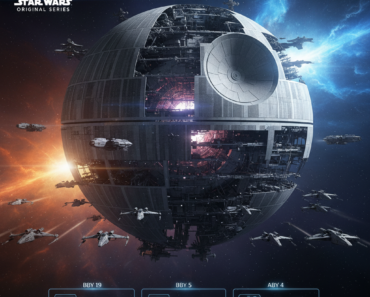
Star Wars: “May the Force Be with You”
George Lucas created a blessing for a galaxy far, far away that translated perfectly to our world. Coaches say it to athletes. Parents say it to children heading to exams. It carries good wishes without religious specificity, making it universally adoptable.
The Force became a concept people reference even if they’ve never seen the films. That’s the mark of a quote that transcended its source material entirely.
The Terminator: “I’ll Be Back”
Arnold Schwarzenegger delivered these three words with robotic calm. Nothing about the moment suggested legendary status. But the combination of actor, delivery, and context created magic.
The phrase appears in everything from goodbye texts to grocery store exits. Its simplicity is its genius. Anyone can say it. Everyone understands it.
Quick Fact: The Most Quotable Film Ever
Casablanca holds the record with six quotes in AFI’s top 100 list. Gone with the Wind and The Wizard of Oz tie for second place with three quotes each. Some films simply become quote factories, their dialogue so sharp that multiple lines achieve immortality.
Forrest Gump: “Life Is Like a Box of Chocolates”
Mama Gump’s wisdom about life’s unpredictability resonated with audiences worldwide. The full quote includes “you never know what you’re gonna get,” but even the shortened version communicates the entire philosophy.
Parents use it to comfort children facing uncertainty. Friends invoke it during life’s plot twists. The metaphor works because everyone understands chocolates and surprises.
Jerry Maguire: “You Complete Me”
Tom Cruise’s desperate declaration became the romantic line of the 1990s. Renee Zellweger’s response, “You had me at hello,” arguably eclipsed it. Both entered the lexicon of love.
These phrases show up in wedding toasts, anniversary cards, and knowing glances across dinner tables. They gave people language for feelings that can be hard to express.
The Wizard of Oz: “There’s No Place Like Home”
Dorothy clicked her ruby slippers and spoke a truth that transcends fantasy. The sentiment is ancient, but Judy Garland’s delivery crystallized it for generations. Military families quote it during reunions. College students text it heading home for holidays.
Some lines survive because they capture something eternal about human nature. The longing for home never goes out of style.
Jaws: “You’re Gonna Need a Bigger Boat”
Roy Scheider’s deadpan observation upon first seeing the shark became shorthand for being unprepared. The line wasn’t scripted. Scheider improvised it, and Steven Spielberg wisely kept it.
Now it pops up whenever someone faces a challenge larger than anticipated. Job interview overwhelming? Bigger boat needed. Project scope expanding? Definitely bigger boat territory.
The Matrix: “There Is No Spoon”
This philosophical puzzle challenged audiences to question reality itself. The young boy in the film teaches Neo that bending the spoon requires understanding that neither the spoon nor conventional reality limits us.
The line became a mantra for creative problem-solving. When conventional approaches fail, someone inevitably suggests abandoning the spoon-based thinking entirely.
What Makes a Movie Quote Truly Iconic
Not every well-written line becomes legendary. The alchemy involves multiple elements aligning perfectly.
The Power of Perfect Timing
Context matters enormously. “Frankly, my dear” lands because the entire film builds toward Rhett’s exhaustion. “I’ll be back” gains weight when the Terminator actually returns with devastating force.
Great quotes arrive at emotional peaks. The audience is primed, vulnerable, fully invested. Then the line drops, and it brands itself onto memory.
Cultural timing plays a role too. “May the Force be with you” emerged during the 1970s when audiences craved wonder and hope. The phrase fit a moment in history, making it feel almost inevitable.
When Writing Meets Acting Magic
The true story behind Man on Fire and countless other films shows how actors transform written words into living moments. A line on paper is just potential. Delivery creates reality.
Marlon Brando’s mumbling transformed “offer he can’t refuse” into something almost whispered, conspiratorial. Humphrey Bogart’s weary tenderness made “here’s looking at you, kid” feel like genuine affection rather than scripted romance.
Sometimes actors improvise entirely. “You’re gonna need a bigger boat” never existed in any draft. The best performances find moments that screenwriters never imagined.
How Famous Movie Quotes Changed Communication
Language evolves constantly, and cinema accelerates that evolution. Phrases that didn’t exist a century ago now appear in everyday speech without anyone noting their origins.
From Screen to Daily Conversations
The journey from movie screen to kitchen table happens faster than anyone expects. A child watches a film on Saturday. By Monday, playground conversations incorporate the catchiest lines. Within weeks, parents find themselves repeating phrases they first heard through the living room wall.
How Movie Quotes Function in Real Life
- Emotional shorthand: Express complex feelings quickly
- Social bonding: Signal shared cultural experiences
- Humor injection: Lighten serious conversations
- Generational markers: Connect with peers who grew up watching the same films
- Wisdom delivery: Offer advice without sounding preachy
Memorable movie quotes make general statements that transfer easily to varied circumstances. “You had me at hello” works whether discussing romantic partners, job offers, or the perfect slice of pizza. Flexibility equals survival in the linguistic ecosystem.
Generational Markers and Shared Identity
People tend to quote movies from their formative years. A group of fifty-somethings might trade The Princess Bride references while their children volley lines from Mean Girls. These shared references create instant belonging.
Quoting the right film at the right moment signals membership in a generation, a fandom, a cultural tribe. It’s shortcut communication that says “I’m one of you” without spelling it out.
Social media amplified this phenomenon exponentially. Memes built on classic movie quotes spread globally in hours. A line from 1942’s Casablanca can trend alongside quotes from films released last week. The internet collapsed time, making all movie eras simultaneously present.
Movies with the Most Quotable Lines
Some films seem designed as quote factories. Their scripts overflow with memorable lines, ensuring their place in cultural memory.
Casablanca leads the pack with six entries in AFI’s top 100. The film’s romantic fatalism and wartime urgency produced dialogue that felt instantly classic. “Of all the gin joints in all the towns in all the world, she walks into mine” alone deserves legendary status.
Gone with the Wind and The Wizard of Oz tie with three quotes each. Both films trafficked in grand emotions and timeless themes. Their lines about home, survival, and moving forward touched universal experiences.
The Godfather trilogy contributed multiple entries as well. Francis Ford Coppola’s crime saga spoke in a language all its own, phrases about loyalty, family, and power that people quote constantly without realizing their source.
What makes certain films quote factories? Sharp screenwriting helps, obviously. But great quotes also require great silences around them. Films packed with constant clever dialogue leave no room for individual lines to breathe. The most quotable movies understand pacing and emphasis.
Finding Your Own Favorite Lines
Every person carries a personal collection of movie quotes. Some come from childhood classics watched with siblings on rainy afternoons. Others emerged from memorable first dates or late-night conversations with friends who insisted “you have to see this film.”
These personal favorites matter as much as any official list. They mark significant moments in individual lives. A quote from a film watched during a difficult time can become a private mantra, a reminder that someone survived something challenging.
The beauty of famous movie quotes lies in their dual nature. They’re shared cultural property that everyone recognizes. Yet they’re also deeply personal, tied to specific memories and emotions unique to each person who loves them.
Cinema continues producing new candidates for immortal status. Every year brings fresh lines that might someday sit alongside “Frankly, my dear” and “May the Force be with you.” The tradition carries forward because humans will always need ways to express the inexpressible, and sometimes borrowed words work better than original ones.
What lines have embedded themselves in your memory? Which movie quotes do you reach for when life demands the perfect response? These questions reveal something about who we are and what stories shaped us.
The next time a familiar phrase surfaces unbidden, take a moment to appreciate its journey from some writer’s imagination to a film set to a theater to your own lips. That’s the magic of cinema speaking through us all.