Every child begins life like a soft piece of clay—delicate, full of possibilities, and shaped mostly by the hands that hold it. Good parenting is that careful shaping. It does not demand perfection; instead, it is about patience, love, guidance, and learning together. Many parents ask how to be a good parent, but the answer is rarely found in complicated theories. It is found in everyday moments—listening, supporting, teaching, and walking beside a child as they grow.
In homes across the world, the importance of parenting becomes clear through tiny scenes—a mother helping with homework, a father comforting a child after a failure, grandparents teaching kindness. These moments build a child’s emotional foundation and become memories they carry throughout their lives.
Understanding Good Parenting in Daily Life
Parenting is not a fixed rulebook. It is a warm understanding of a child’s emotional world and a willingness to guide them gently. It also includes understanding what makes a good parent and how small habits become lifelong lessons.
A child notices everything—how parents speak, how they solve problems, how they treat others. These actions teach more than any formal lesson. The characteristics of a good parent often show up in these small actions: consistency, empathy, patience, and unconditional love.
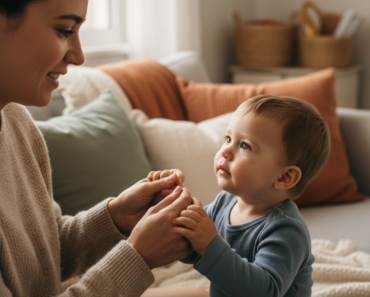
A parent who sits beside a child and listens without judgement is already practicing the best parenting. A parent who admits mistakes teaches humility. A parent who encourages effort over perfection builds confidence. Through these everyday scenes, a child understands the value of respect, honesty, and kindness—qualities that shape their entire future.
The Importance of Parenting in a Child’s Growth

The importance of parenting is far greater than it appears. A child’s beliefs, emotional strength, and ability to trust are shaped at home. When a parent speaks lovingly, the child learns to speak with kindness. When a parent sets boundaries, the child learns self-control. When a parent encourages curiosity, the child develops confidence to explore the world.
Ideal parenting builds the emotional security a child needs to face challenges. A child who grows up in a supportive environment learns that mistakes are not failures—they are stepping stones. A child who feels safe at home develops healthy self-esteem. And when parents handle conflicts calmly, children learn how to communicate respectfully.
Imagine a little boy trying to build a tower of blocks. He fails again and again. A parent who says, “I’m here, try again,” gives him strength. He learns persistence. This is the quiet power of parenting—small gestures with big impacts.
The 5 Parenting Skills Every Family Needs
Every parent’s journey is unique, but certain skills make the path smoother. These five skills form the heart of good parenting and create a strong emotional base for children.
1. Empathy
Empathy is the ability to understand a child’s feelings. When children feel understood, they trust their parents more. For example, when a child cries after school, instead of saying “Stop crying,” a parent might say, “I know you had a hard day.” This simple sentence creates connection. Empathy helps children feel safe enough to share their world, their fears, and their dreams.
2. Patience
Children grow at their own pace—slow, messy, and full of surprises. Patience helps parents guide them without frustration. A child who spills milk or makes noise while playing is not trying to irritate anyone; they are simply learning. Patient guidance teaches them that home is a space where they can grow without fear.
3. Consistent Discipline
Discipline is not about punishment; it is about teaching. Children understand life better when rules are clear and consistent. When parents calmly explain consequences, children learn about responsibility. The best parenting combines firmness with kindness, helping children understand boundaries without feeling unloved.
4. Communication
Open communication is one of the strongest qualities of a good parent. When parents talk to children daily—even about small things—children feel valued. A simple question like “How was your day?” can open the door to deeper conversations. Good communication also helps children express emotions instead of hiding them.
5. Emotional Support
Children need emotional support as much as water and food. When they face failure, parents should be their first comfort. When they succeed, parents should celebrate with them. This emotional support helps children grow into confident, emotionally strong adults who believe in themselves.
Qualities of a Good Parent: What Children Need Most
The characteristics of a good parent are simple but deeply meaningful. Children need parents who are loving yet firm, supportive yet guiding, and strong yet gentle.
A good parent listens without judging, corrects without hurting, and guides without controlling. They understand that children are not miniature adults; they are growing learners who need love, boundaries, and positive examples. The qualities of a good parent include respect for a child’s individuality, confidence in their abilities, and belief in their potential.
For example, when a child wants to try something new—like painting or playing a musical instrument—a good parent encourages them even if the result is imperfect. This builds creativity and courage. Similarly, when a child makes a mistake, a wise parent teaches rather than scolds. This creates trust.
Parenting is not about perfection. It is about being present, kind, and consistent.
Positive Parenting Tips for Everyday Life
Positive parenting tips are not just advice—they are gentle habits that slowly transform the atmosphere of a home. When practiced every day, they create a warm environment where children feel valued, respected, and emotionally safe. Small gestures made with love often become the strongest memories children carry into adulthood.
Here are some helpful ideas –
1. Start the day with a warm greeting; it builds emotional connection.
A simple “Good morning” with a smile can set the emotional tone for the entire day. Children feel more confident when their day begins with warmth rather than hurry or stress. This morning ritual teaches them that home is a place of comfort. Even if parents are busy, spending 10 seconds sharing warmth helps children feel emotionally secure.
2. Make eye contact while talking; it shows respect.
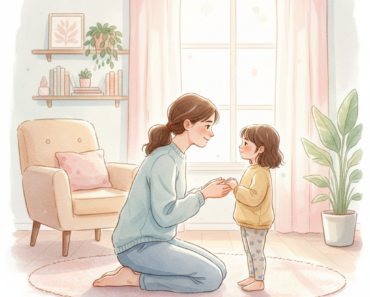
When parents look into a child’s eyes, it sends the message: “You matter.” Eye contact builds trust and helps children communicate openly. It also teaches children to listen mindfully and express themselves with confidence. Over time, this small habit strengthens parent–child bonding and reduces misunderstandings.
3. Use gentle discipline instead of harsh words.
Gentle discipline is not about letting children do anything they want—it is about guiding them with patience. When parents correct behaviour calmly, children learn to correct themselves without fear. Harsh words may stop the behaviour quickly, but gentle discipline teaches long-term self-control. Children growing up with kindness are more likely to respect boundaries naturally.
4. Praise effort, not just results
When parents recognise effort, children learn that trying is more important than perfection. This mindset motivates them to keep improving even when things get difficult. Acknowledging small steps builds confidence and emotional resilience. It also teaches children that failure is not the end, but a chance to grow.
5. Spend at least 15 minutes of undistracted time with children daily.
This short, dedicated time makes children feel seen and valued. It can be used to talk, play, read, or even cook together—what matters is the undivided attention. These moments strengthen emotional bonding and reduce attention-seeking behaviour. Even on the busiest days, this daily routine helps children feel deeply connected to their parents.
6. Teach by doing; children learn more from actions than lectures.
Children copy what they see far more than what they hear. When parents show kindness, discipline, patience, or respect in their own actions, children naturally adopt these qualities. Real-life examples make strong impressions on young minds. Every small behaviour—like apologising, sharing, or waiting patiently—becomes a lesson for life.
7. Create routines that give children a sense of safety.
Predictable routines help children feel secure because they know what to expect. A structured day reduces anxiety, improves discipline, and builds responsibility. Simple routines like bedtime stories, family meals, or homework time give rhythm to a child’s life. When life feels stable at home, children find it easier to face challenges outside.
Heartfelt Sayings About Parenthood and Good Parents Quotes
Sayings about parenthood often capture the emotions that parents struggle to express. They remind us that parenting is a journey of love, growth, and learning.
Here are a few touching lines that blend beautifully with the message of good parenting:
- “A child may outgrow your lap but never your heart.”
- “Behind every confident child stands a parent who believed first.”
- “The strongest love is often silent—it listens, supports, and understands.”
- “A parent’s love is the first lesson in kindness a child ever receives.”
These good parents quotes and quotes on parents love remind families that parenting is not about being perfect. It is about being present, patient, and willing to grow.
How to Be a Good Parent in Modern Times?
Modern parenting comes with unique challenges—busy schedules, digital distractions, academic pressure, and less family time. Learning how to be a good parent today means finding balance between traditional values and modern needs.
Some helpful thoughts:
- Limit screen time and increase real conversations.
- Teach children emotional skills that technology cannot replace.
- Spend weekends doing meaningful family activities.
- Encourage hobbies that develop creativity, not just academic success.
- Give children responsibilities at home to build discipline.
Parents today do not need to compete with others. The only goal is building a healthy bond where children feel loved, heard, and guided.
Final Words
Good parenting is not a destination; it is a lifelong journey that changes as the child grows. It is a blend of love, understanding, discipline, and emotional connection. Every parent who tries, learns, and shows up with love is already walking the path of best parenting.
In the end, what makes a good parent is not perfect decisions but a warm heart, open communication, and steady guidance. Children do not remember expensive gifts; they remember how their parents made them feel—safe, understood, and loved.
When parents follow positive parenting tips and develop the qualities of a good parent, they give their children the greatest gift of all—a strong foundation for a happy life.