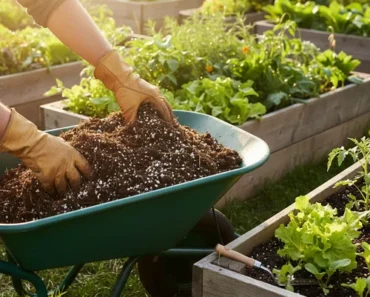
Every gardener reaches a point where they wonder, how do you build a raised garden bed? Maybe the soil in your yard is too rocky. Perhaps you’re tired of bending over for hours. Or maybe, like me, you tried once and failed spectacularly. Whatever your reason, building a raised garden bed opens up a world of growing possibilities. This guide walks you through every step, from planning to planting.
Why Build a Raised Garden Bed? (And How I Learned From My First Failed Attempt)
Raised beds have become the gold standard for home vegetable gardens. They offer control over soil quality, improve drainage, and make gardening accessible to people of all abilities. But learning these benefits the hard way taught me lessons I’ll never forget.
My First Raised Bed Disaster
Ten years ago, I built my first raised garden bed with all the enthusiasm of a new gardener. I used cheap pine boards, placed the bed under a beautiful oak tree, and filled the bottom with river rocks “for drainage.” I was so proud of myself.
Within two months, the pine boards started rotting at the corners. My tomato plants grew tall and leggy, reaching desperately for sunlight that the oak tree blocked. Worst of all, my plants developed root rot despite the rocks I’d so carefully placed.
What went wrong? Everything. I chose the wrong wood, the wrong location, and fell for the biggest myth in raised bed gardening. That expensive pile of river rocks actually created something called a perched water table. Instead of draining water away, it trapped moisture right where my plant roots lived.
That failure sent me down a rabbit hole of research. Now I understand how do you build a raised garden bed that actually works. Let me save you from my mistakes.
The Real Benefits: Better Soil, Drainage, and Accessibility
When done correctly, raised beds offer remarkable advantages. You control every ingredient that goes into your soil. No more fighting with clay, rocks, or contaminated ground.
Drainage improves naturally when you build above ground level. Raised beds warm up faster in spring, extending your growing season by weeks. Your back and knees will thank you for the reduced bending.
Accessibility matters too. Gardeners with mobility challenges can continue growing food with beds built at appropriate heights. A 24-inch tall bed accommodates wheelchair users comfortably. Standing gardeners might prefer 36-inch heights to eliminate bending entirely.
Planning Your Raised Garden Bed: Dimensions and Location
Success starts with smart planning. Before you cut a single board, you need to choose your location and dimensions carefully. These decisions will affect your garden’s productivity for years to come.
Choosing the Right Location
Vegetables need six to eight hours of direct sunlight daily. Walk around your yard at different times and watch where shadows fall. That perfect spot near the fence might be shaded all afternoon.
Keep your bed reasonably close to a water source. Dragging hoses across the yard gets old quickly. Consider how the space connects to your home’s overall layout. If you’re working with limited outdoor space, check out tips for organizing small outdoor spaces to maximize your area.
Level ground makes installation easier, though slight slopes can work. Avoid low spots where water collects after rain. Stay away from trees that will compete for water and nutrients.
Optimal Dimensions for Accessibility
The standard raised bed measures 4 feet wide by 8 to 10 feet long. This width lets you reach the center from either side without stepping into the bed. Compacted soil kills plant roots, so you never want to walk on your growing area.
If you’re placing your bed against a wall or fence, limit the width to 2 feet. You’ll only be able to reach in from one side. Length can vary based on your available space and materials.
Plan for pathways between multiple beds. Leave 28 to 36 inches between beds if you’ll use a wheelbarrow. Narrower paths of 18 to 24 inches work for walking access only.
How Deep Should Your Raised Bed Be?
Depth depends on what you want to grow. Shallow-rooted plants like lettuce and herbs thrive in just 6 inches of soil. Most vegetables need 12 inches minimum for healthy root development.
Root crops like carrots, parsnips, and potatoes require 18 inches or more. When in doubt, go deeper. A minimum of 10 to 12 inches gives you flexibility to grow almost anything.
Deeper beds also mean less frequent watering. More soil holds more moisture, which helps during hot summer months.
Choosing the Best Materials for Your Raised Bed
Your material choice affects how long your bed lasts, how much you’ll spend, and what can safely grow in it. Not all lumber is created equal when it comes to garden construction.
Cedar vs. Composite: Pros and Cons
Cedar remains the top choice for wooden raised beds. Its natural oils resist rot and insects without any chemical treatment. A well-built cedar bed lasts 10 to 15 years with minimal maintenance. The wood weathers to an attractive silver-gray over time.
Composite lumber offers even longer lifespan, often 25 years or more. Made from recycled plastic and wood fibers, it won’t rot, warp, or splinter. However, it costs significantly more than cedar and can feel less natural in a garden setting.
Budget often drives the decision. A basic 4×8 cedar bed costs roughly $100 to $150 in materials. Composite can double that cost. For most home gardeners, cedar provides the best balance of longevity, appearance, and price.
Why You Should Avoid Pressure-Treated Wood
Pressure-treated lumber tempts gardeners with its low price and long lifespan. Modern treatments no longer contain arsenic, which was banned in 2003. However, current treatments still use copper compounds that can leach into soil over time.
The debate continues among gardening experts. Some studies show minimal copper transfer to plants. Others recommend keeping treated wood away from edible crops entirely. When you’re growing food for your family, why take the risk?
If budget forces you toward treated wood, consider lining the interior with heavy plastic sheeting. This creates a barrier between the wood and your soil. Or simply choose untreated wood for food gardens and save treated lumber for fences and decks.
Other Material Options (Metal, Stone, Recycled Plastic)
Galvanized steel and corrugated metal beds have surged in popularity. They look modern, last decades, and heat up quickly in spring. Some gardeners worry about metal getting too hot in summer, but research shows minimal impact on plant roots.
Stone and brick create beautiful, permanent beds. They require more skill to build but can last generations. Costs run higher, and the beds become essentially permanent fixtures in your landscape.
Recycled plastic lumber works well for those concerned about deforestation. It won’t rot or need replacement for decades. Look for products specifically rated for garden use to avoid any chemical concerns.
Step-by-Step: How to Build Your Raised Garden Bed
Now comes the hands-on portion. If you’ve ever wondered how do you build a raised garden bed from scratch, these steps will guide you through the process. Even beginners can complete a basic bed in an afternoon.
Step 1: Gather Your Tools and Materials
For a standard 4×8 foot bed that’s 12 inches deep, you’ll need the following materials:
- Four 2×12 inch cedar boards, each 8 feet long (two for the long sides)
- Four 2×12 inch cedar boards, each 4 feet long (two for the short sides, cut from two 8-foot boards)
- Sixteen 3-inch exterior wood screws or galvanized lag bolts
- Four corner brackets (optional but recommended)
- Cardboard or landscape fabric for the bottom
Tools needed include a drill, measuring tape, square, level, and safety glasses. A miter saw makes quick work of cuts, but a circular saw or hand saw works fine.
Step 2: Prepare the Site
Clear the area of grass, weeds, and debris. You don’t need to dig deeply since the raised bed will smother existing vegetation. However, removing the top layer of grass helps create a cleaner foundation.
Some gardeners till the soil beneath to improve drainage into the ground below. Others simply lay cardboard directly on grass. Both methods work well. The cardboard will decompose over time while blocking weeds.
Step 3: Cut and Assemble the Frame
Measure twice and cut once. If your boards aren’t already sized, cut two boards to 4-foot lengths for the short ends. Your long sides remain at 8 feet.
Lay out the boards on a flat surface. Position the short boards inside the long boards so the final dimensions are exactly 4 by 8 feet. This overlap method creates stronger corners than butting boards end to end.
Pre-drill holes to prevent wood from splitting. Drive screws through the long boards into the ends of the short boards. Use at least four screws per corner, spacing them evenly along the joint. Corner brackets add extra stability and help keep corners square.
Step 4: Position and Level the Bed
Move the assembled frame to your prepared site. This might require a helper for larger beds. Position it precisely where you want it since moving a filled bed later is nearly impossible.
Check all sides with a level. Even small slopes cause water to pool at one end. Add or remove soil beneath the frame until all sides read level. Some gardeners dig the low corners slightly into the ground for a secure fit.
Step 5: Add Optional Bottom Layer
Here’s where many gardeners go wrong. Do not add rocks or gravel to the bottom. This outdated advice actually harms drainage by creating a perched water table. Water struggles to move from fine soil particles into large rock spaces below.
Instead, lay cardboard or landscape fabric directly on the ground. This prevents weeds from growing up into your bed while allowing roots to penetrate downward. If gophers or moles are problems in your area, consider adding hardware cloth at the bottom.
Filling Your Raised Bed: The Perfect Soil Mix
Your plants will only be as healthy as the soil they grow in. This is your chance to create the perfect growing medium from scratch. Don’t skimp on this step.
Best Soil Mix Recipes for Raised Beds
The simplest effective mix combines 50% quality topsoil with 50% finished compost. This blend provides structure, nutrients, and excellent drainage. Most plants thrive in this combination.
For intensive vegetable growing, consider Mel’s Mix from the Square Foot Gardening method. It uses equal parts of three ingredients: one-third compost, one-third vermiculite, and one-third peat moss. This creates an incredibly light, well-draining medium perfect for dense planting.
Understanding plant care basics helps you customize your soil mix for specific crops. Heavy feeders like tomatoes benefit from extra compost. Mediterranean herbs prefer sandier, leaner mixes.
How Much Soil Do You Need? (Calculator)
Calculate your soil volume by multiplying length times width times depth, all in feet. A 4×8 foot bed that’s 12 inches (1 foot) deep needs 32 cubic feet of material.
Soil compacts and settles over time, so add 10 to 20 percent extra. That same bed should start with about 35 to 38 cubic feet. One cubic yard equals 27 cubic feet, which helps when ordering bulk delivery.
Fill the bed to the top and water deeply. The soil will settle several inches over the following weeks. Top off with additional compost before planting.
Common Mistakes to Avoid When Building a Raised Bed
Learning how do you build a raised garden bed means also learning what not to do. These common errors cost gardeners time, money, and harvests.
- Placing rocks in the bottom for drainage. As mentioned earlier, this actually traps water and suffocates roots. Skip the rocks entirely.
- Building too wide. Anything over 4 feet makes reaching the center difficult. You’ll end up stepping into the bed and compacting soil.
- Choosing the wrong location. That shady spot won’t grow tomatoes no matter how perfect your bed is. Prioritize sun exposure above convenience.
- Using cheap materials. Untreated pine rots within two to three years. Spending a bit more on cedar saves money in the long run.
- Skimping on soil quality. Garden soil from your yard brings weeds, pests, and disease. Start fresh with quality materials.
When planning your garden, implementing natural weed control methods from the start saves countless hours of maintenance later.
Maintaining Your Raised Garden Bed for Long-Term Success
A well-built raised bed requires minimal upkeep. However, a few annual practices keep your garden producing abundantly for years.
Add two to three inches of compost each spring before planting. Soil levels drop as organic matter breaks down. This annual addition replenishes nutrients and maintains volume. Your plants will reward you with vigorous growth.
Inspect wood joints annually for signs of weakness. Tighten screws that have loosened over winter. Catch small repairs before they become major problems. Cedar grays naturally but remains structurally sound for well over a decade.
Rotate your crops each year to prevent disease buildup. Don’t plant tomatoes in the same spot season after season. Moving crops around breaks pest and disease cycles naturally.
Mulch the surface to retain moisture and suppress weeds. Straw, wood chips, or shredded leaves all work well. Keep mulch a few inches away from plant stems to prevent rot.
Consider what you’ll grow beyond vegetables. Raised beds work wonderfully for ornamental plants and even growing fruit trees in containers nearby. The controlled environment suits many plant types.
As you expand your garden, focus on simplifying your outdoor maintenance routines. A few well-maintained beds produce more than many neglected ones. Quality matters more than quantity.
Now you know how do you build a raised garden bed that will serve you for years. From choosing the right materials to filling with perfect soil, each step contributes to your gardening success. Start with one bed, learn from it, and expand as your confidence grows. Your first harvest will make every bit of effort worthwhile.