Why Growing Artichokes Is Worth the Effort (And What One Failed Attempt Taught Me)
How do you grow an artichoke that actually produces those beautiful, tight green globes? It takes patience, the right conditions, and a willingness to learn from mistakes. For gardeners who love a challenge, artichokes offer something special – a Mediterranean treasure that rewards effort with harvests for years to come.
There was a gardener named Sarah who dreamed of growing her own artichokes after tasting them fresh at a farmers market. The flavor was nothing like the canned hearts she grew up eating. She wanted that experience in her own backyard. What followed was a two-year journey filled with setbacks, surprises, and eventually – success.
My First Artichoke Disaster: The Spacing Mistake
Sarah’s first attempt went sideways almost immediately. She planted five artichoke seedlings just 18 inches apart, thinking they would stay compact like her pepper plants. By midsummer, she had a tangled jungle. The plants grew so large they blocked each other’s light and air flow. Not a single bud formed that year.
The lesson was clear: artichokes need room to breathe. These plants grow 4 to 6 feet tall and spread 3 to 4 feet wide when happy. Cramming them together is a recipe for disappointment.
The Payoff: Fresh Artichokes for Years
Once Sarah figured out the basics, everything changed. Her second planting gave her 8 beautiful artichokes in its first producing year. The plants came back stronger each spring, and she found herself sharing harvests with neighbors. That first bite of a homegrown artichoke – steamed with garlic butter – made all the learning worthwhile.
For anyone interested in growing perennial vegetables, artichokes fit right in. They produce for 5 to 7 years before needing replacement, much like asparagus beds.
Understanding Artichokes: What You Need to Know Before You Plant
Before putting seeds in soil, it helps to understand what makes artichokes tick. These plants have specific needs that differ from common garden vegetables. Getting the basics right from the start saves frustration down the road.
Perennial vs Annual: Which Growing Method Suits Your Climate?
Artichokes can live for many years in warm climates. Gardeners in zones 7 through 11 can grow them as perennials, where they come back each spring without replanting. The plants get bigger and more productive with age.
In colder regions (zones 6 and below), artichokes work better as annuals. The roots cannot survive harsh winters, so gardeners start fresh each year. This approach still works – it just requires earlier planting and the right variety selection.
Climate Zones and Timing for Success
Here is something most guides skip: artichokes need a cold period to produce buds. This process called vernalization requires 200 to 300 hours below 50 degrees Fahrenheit. Without this cold exposure, plants grow leaves but no artichokes.
Space Requirements (They’re Bigger Than You Think)
Mature artichoke plants are massive. A single plant takes up as much space as a small shrub. Plan for 3 to 4 feet between plants in all directions. This spacing ensures good air circulation and prevents the crowding problems that lead to disease and poor production.
Starting Artichokes: Seeds vs Crowns
There are two paths to artichoke plants: starting from seed or buying root crowns. Each has advantages depending on budget and patience levels.
Starting from Seed Indoors (The Patient Gardener’s Method)
Seeds cost less but take longer. Start them 8 to 10 weeks before the last frost date. Fill seed trays with moist potting mix and plant seeds half an inch deep. Keep the soil temperature at 70 to 75 degrees for best germination, which takes 10 to 14 days.
Once seedlings develop true leaves, transplant them to larger pots. Follow basic plant care principles during this stage – consistent moisture, good light, and gradual adjustment to outdoor conditions before transplanting.
Planting Root Crowns or Divisions (The Fast Track)
Root crowns give a head start. These dormant roots establish quickly and often produce in their first year. They cost more than seeds but save months of growing time. Plant crowns in early spring as soon as the ground can be worked.
When to Start for Your Climate Zone
- Zones 8-11: Plant crowns in fall or late winter. Seeds can start in late fall for spring transplant.
- Zones 6-7: Start seeds indoors in February. Plant crowns after last frost.
- Zones 5 and colder: Start seeds in January. Use fast-maturing varieties like Imperial Star.
Preparing the Perfect Soil for Artichokes
Soil preparation makes or breaks artichoke growing. These plants have strong opinions about their growing medium.
Soil Composition and pH Requirements
Artichokes thrive in rich, loamy soil with plenty of organic matter. The ideal pH falls between 6.5 and 7.5. Test soil before planting and adjust as needed with lime (to raise pH) or sulfur (to lower it).
Drainage: Why It Makes or Breaks Your Crop
Poor drainage kills more artichoke plants than any pest or disease. Crown rot sets in quickly when roots sit in waterlogged soil. If the planting area holds puddles after rain, consider building a raised garden bed instead.
Amending Soil Before Planting
Work in 3 to 4 inches of compost and aged manure before planting. For heavy clay soils, preparing quality soil for raised beds offers the best solution. Sandy soils benefit from extra compost to improve water retention.
Planting Artichokes: Spacing, Depth, and Location
Choosing the Right Location (Sun and Protection)
Pick a spot with full sun – at least 6 to 8 hours of direct light daily. In hot climates, afternoon shade helps prevent stress. Avoid windy locations or provide windbreaks, as tall artichoke stalks can topple in strong gusts.
How to Space Artichoke Plants Properly
This cannot be emphasized enough: space plants 3 to 4 feet apart. Rows should be 4 to 6 feet apart for easy access during harvest. Crowded plants produce fewer buds and attract more pests.
Planting Depth and Technique
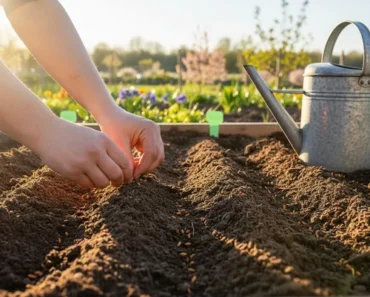
Plant crowns about 6 inches deep with the growing point just below the soil surface. Transplanted seedlings go in at the same depth they grew in their pots. Water deeply after planting and apply mulch immediately.
Caring for Growing Artichokes: Water, Fertilizer, and Maintenance
Watering Schedule and Moisture Needs
Artichokes need consistent moisture – about 1 to 2 inches of water per week. Never let the soil dry out completely. Inconsistent watering causes tight, tough buds that are less pleasant to eat.
Feeding Heavy Feeders: Fertilization Strategy
These plants are hungry. Feed every 2 to 4 weeks during the growing season. Use high-nitrogen fertilizer early in the season to promote leaf growth. Switch to a balanced formula once buds begin forming. Many gardeners prefer organic fertilizer options for edible crops.
Mulching and Weed Control
Apply 3 to 4 inches of organic mulch around plants. This conserves moisture, regulates soil temperature, and suppresses weeds. Use natural weed control methods to keep competition down without chemicals.
Pest and Disease Management
Watch for these common problems:
- Aphids: Blast with water or spray insecticidal soap
- Artichoke plume moth: Remove affected buds, use row covers as prevention
- Slugs: Hand-pick at night or use beer traps
- Crown rot: Improve drainage, avoid overwatering
When and How to Harvest Artichokes
Recognizing the Perfect Harvest Window
Timing matters tremendously. Harvest when buds are tight and firm, before the outer bracts start to open. Once buds begin blooming, they become tough and bitter. The ideal size is 3 to 4 inches in diameter for the main bud.
Cutting Technique for Best Results
Use a sharp knife to cut the bud with 1 to 2 inches of stem attached. Cut at an angle to prevent water from pooling on the stem, which can cause rot. After harvesting the main bud, smaller side shoots will develop – these secondary buds are just as delicious.
What to Expect: Harvest Timeline and Yield
- Perennial plantings: First harvest in year two
- Annual plantings: May produce in first year if started early
- Yield: 5 to 10 buds per established plant each season
- Harvest window: Late spring to early summer in most climates
Overwintering Artichokes in Different Climates
Mild Climates: Winter Care for Perennials
In zones 9 through 11, artichokes need little winter protection. Cut plants back to 12 inches after the last harvest. Apply a light layer of mulch and let them rest until new growth appears in spring.
Cold Climates: Protection Strategies
Zones 7 and 8 require more attention. After cutting plants back, pile 8 to 12 inches of straw or shredded leaves over the crown. Cover with burlap or a bucket for extra insulation. Remove protection gradually in spring as temperatures warm.
When to Start Fresh: Annual Growing Approach
In zone 6 and colder, the annual approach often makes more sense. Heavy mulching and row covers can work, but success varies. Growing artichokes as annuals with early starts and fast-maturing varieties like Imperial Star offers more reliable results.
Common Problems Growing Artichokes (And How to Fix Them)
Plants Not Producing Buds
No buds is the most frustrating problem. Common causes include:
- No vernalization: Plants did not get enough cold exposure
- Too young: First-year plants may not produce
- Wrong variety: Some varieties need multiple seasons to mature
- Heat stress: Extreme temperatures can delay bud formation
Crown Rot and Drainage Issues
Crown rot shows up as wilting plants that do not recover with watering. The crown turns soft and mushy. Prevention is key – improve drainage before planting, avoid mulch directly touching stems, and water deeply but infrequently.
Pest Problems: Aphids and Artichoke Plume Moths
Aphids cluster on tender growth and developing buds. Regular inspection catches infestations early. The artichoke plume moth is more serious – larvae tunnel into buds. Remove and destroy any affected buds immediately.
Frequently Asked Questions About Growing Artichokes
Can you grow artichokes in containers?
Yes, but containers must be large – at least 24 inches deep and wide. Use quality potting mix with excellent drainage. Container plants need more frequent watering and feeding than those in the ground.
How long do artichoke plants live?
In ideal conditions, artichoke plants live 5 to 7 years. Production peaks in years 2 through 4, then gradually declines. Most gardeners replace plants after 5 years for best results.
Do artichokes come back every year?
In zones 7 through 11, artichokes are perennial and return each spring. In colder zones, they die over winter and must be replanted annually.
What’s the difference between globe and other artichoke types?
Globe artichokes are the classic eating variety with rounded, tightly packed buds. Jerusalem artichokes are a completely different plant – a type of sunflower grown for its edible tubers. Cardoon is a close relative grown for its edible stalks rather than buds.
Can you eat artichoke flowers if they open?
Technically yes, but the texture becomes tough and the flavor turns bitter. Opened artichoke flowers make beautiful purple blooms that attract pollinators. Many gardeners let a few buds bloom on purpose for ornamental value and to feed bees.
Bringing It All Together: Your Artichoke Growing Journey
Growing artichokes takes commitment, but the rewards speak for themselves. Fresh artichokes taste nothing like their canned counterparts. That first harvest – steamed tender with melted butter – makes every challenge worthwhile.
Start small with just two or three plants. Give them room, feed them well, and stay patient through that first budless season. By year two, those towering plants will reward patience with harvests that keep coming for years.
For more vegetable gardening projects, explore our guides on growing other delicious perennials or check out how to build the perfect raised bed for your artichoke patch. The garden is waiting.