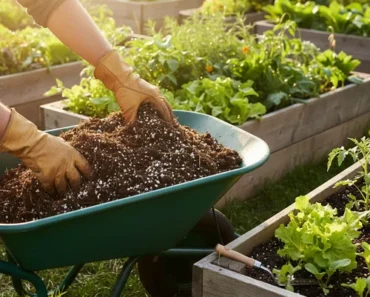
How do you plant a carrot? It sounds simple enough. Drop some seeds in the ground, water them, wait. But ask any gardener who has tried and failed, and they will tell a different story. Carrots are sneaky. They punish small mistakes with twisted roots, empty rows, or worse—nothing at all.
The good news? Once someone learns the secrets, growing carrots becomes one of the most rewarding experiences in the garden. There is nothing quite like pulling a perfect orange root from dark soil. Sweet, crisp, and impossibly fresh. This guide walks through every step, from choosing the right variety to avoiding the mistakes that trip up beginners.
Why Planting Carrots Right Matters (And How One Gardener Learned the Hard Way)
A First Carrot Planting Disaster
Picture this: a new gardener, excited about their first vegetable patch, carefully drops carrot seeds into the soil. They water diligently. Days pass. Weeks pass. Finally, tiny green tops appear. Victory!
Fast forward two months. The gardener pulls up their first carrot expecting something beautiful. Instead, they find a stubby, forked thing that looks more like an alien than a vegetable. What went wrong? The soil was packed with rocks. The seeds were planted too deep. The seedlings were never thinned.
This story repeats in gardens everywhere. Carrots seem forgiving, but they are secretly demanding. They need loose soil, shallow planting, and consistent moisture. Skip any of these, and the harvest disappoints.
The Real Rewards: Fresh, Sweet Carrots From Your Own Garden
Homegrown carrots taste nothing like store-bought. They are sweeter. More flavorful. Sometimes almost candy-like, especially after the first light frost of autumn. Growing them also saves money and teaches patience. Anyone comfortable with plant care basics can learn to grow amazing carrots.
Before You Plant: Choosing the Right Carrot Variety
Not all carrots are created equal. The variety chosen should match the soil conditions. Planting long carrots in rocky, heavy soil leads to heartbreak. Choosing wisely prevents problems before they start.
Short Carrots (Chantenay and Ball Types)
These varieties grow only 3-6 inches long. They have thick, sturdy roots that push through challenging soil. Perfect for containers, heavy clay, or rocky ground. Chantenay carrots are cone-shaped and sweet. Ball types grow round like little orange spheres.
Medium Carrots (Nantes and Danvers)
Nantes and Danvers varieties are the workhorses of the carrot world. They reach 6-8 inches and do well in most garden soils. Nantes are known for their sweetness and smooth texture. Danvers handle slightly heavier soil better.
Long Carrots (Imperator)
These are the classic supermarket carrots—long, tapered, and elegant. They need at least 12 inches of loose, rock-free soil. Without it, they fork, twist, or simply stop growing. Reserve these for gardens with deep, well-prepared beds.
Preparing Your Soil for Carrot Seeds
Why Soil Quality Is Everything for Carrots
Carrots are root vegetables. They spend their entire lives pushing through soil. If something blocks them—a rock, a clump of clay, a patch of compacted earth—they grow around it. That is how forked, twisted carrots happen.
The ideal carrot bed has loose, well-drained soil at least 12 inches deep. Think of it like preparing a soft, comfortable bed for the roots to stretch into.
How to Loosen and Amend Your Soil
Start by digging or tilling the planting area to a depth of 12 inches. Break up any large clods. Mix in 2-3 inches of finished compost. This improves drainage and adds gentle nutrition without overdoing it.
Quick Tip: Avoid Heavy Fertilizer
Too much nitrogen causes carrots to grow lush, leafy tops while the roots stay small. Stick with compost. Fresh manure is a definite no—it causes forking and attracts pests.
For gardeners dealing with truly difficult soil, building a raised garden bed filled with quality soil mix solves many problems at once.
Removing Rocks and Debris
This step matters more than most people realize. Even small pebbles can cause forking. Rake the soil surface and pick out any rocks, sticks, or clumps. Test the texture by squeezing a handful. It should crumble easily, not form a hard ball.
When to Plant Carrot Seeds
Timing affects everything. Carrots are cool-season crops. They do not love summer heat the way tomatoes do. Planting at the right time leads to sweeter, better-formed roots.
Spring Planting (2-3 Weeks Before Last Frost)
In most areas, spring carrot planting begins 2-3 weeks before the average last frost date. Carrots tolerate light frost without damage. Starting early gives them time to mature before summer heat arrives.
Fall Planting (10-12 Weeks Before First Frost)
Many experienced gardeners prefer fall carrots. Plant 10-12 weeks before the first expected frost. The roots mature as temperatures cool, which intensifies sweetness. Some growers leave carrots in the ground through winter, covered with heavy mulch, for fresh eating into early spring.
Why Temperature Matters
Carrot seeds germinate best when soil temperature stays between 55-75°F. Too cold, and they sit dormant. Too hot, and germination becomes spotty. The Old Farmer’s Almanac provides excellent regional planting calendars for timing this right.
Step-by-Step: How to Plant Carrot Seeds
This is where precision matters. Carrot seeds are tiny—almost like grains of sand. They need specific conditions to sprout successfully.
Step 1: Create Shallow Furrows
Use a finger, stick, or the edge of a trowel to make shallow trenches in the prepared soil. The furrows should be only 1/4 to 1/2 inch deep. Any deeper, and the seeds may never emerge.
Step 2: Sow Seeds at the Right Depth
Sprinkle seeds thinly along the furrow, aiming for about 2-3 seeds per inch. Carrot seeds are so small that sowing evenly feels impossible at first. Some gardeners mix seeds with sand to help spread them more uniformly.
Pro Technique: Pelleted Seeds
Look for pelleted carrot seeds at garden centers. Each tiny seed is coated in clay, making it larger and easier to handle. Spacing becomes much simpler.
Step 3: Cover Lightly and Mark Your Rows
Cover seeds with a thin layer of fine soil or sifted compost—no more than 1/4 inch. Pat the surface gently to ensure good seed-to-soil contact. Then mark the rows clearly with stakes or labels. Carrots take 14-21 days to germinate, and it is easy to forget where they were planted.
Step 4: Water Gently but Thoroughly
Water immediately after planting using a gentle spray. A strong blast from the hose can wash seeds away or bury them too deep. Keep the soil surface moist but not waterlogged.
The Critical Germination Period: Keeping Soil Moist
This is where many gardeners fail. The two to three weeks after planting are the most important—and most unforgiving—stage of growing carrots.
Why Consistent Moisture Is Non-Negotiable
Carrot seeds must stay moist to germinate. If the soil dries out even once during this period, seeds can die or become dormant. There is no second chance. The University of Maryland Extension carrot guide emphasizes that consistent moisture is the single most important factor during germination.
How to Water Without Washing Away Seeds
Use a watering can with a fine rose attachment, a gentle hose nozzle, or a misting spray. Water in the morning so the surface can dry slightly by evening (reducing disease risk). Check the soil twice daily during warm weather.
Preventing Soil Crusting
Heavy rain or repeated watering can cause soil to form a hard crust. Tiny carrot seedlings lack the strength to push through. To prevent this:
- Top with vermiculite: A light layer over the seeds helps retain moisture without crusting.
- Use row covers: Lightweight fabric keeps soil moist and protects seeds from being washed away.
- Lay boards over rows: Some gardeners place wooden boards directly on the soil to hold moisture. Remove them immediately once sprouts appear.
Thinning Carrot Seedlings (Don’t Skip This Step!)
Thinning feels cruel. Those tiny green sprouts look so hopeful. But skipping this step guarantees stunted, undersized carrots.
When to Thin Your Carrots
Wait until seedlings are 1-2 inches tall with 3-4 true leaves (not the initial seed leaves). At this point, they are sturdy enough to survive the disturbance.
How to Thin Without Damaging Remaining Plants
This is important: never pull unwanted seedlings. Pulling disturbs the roots of neighboring plants. Instead, use small scissors to snip unwanted seedlings at soil level. The roots left behind will simply decompose.
Proper Spacing for Full-Sized Roots
After thinning, each remaining carrot should have 3-4 inches of space on all sides. This feels like a lot when seedlings are tiny, but mature carrots need room to expand. Crowded carrots stay small and compete for water and nutrients.
Common Carrot Planting Mistakes to Avoid
Every experienced gardener has made these mistakes. Learning them in advance saves time, frustration, and wasted seeds.
Planting Seeds Too Deep
Carrot seeds need light to germinate. Burying them more than 1/2 inch deep often results in zero emergence. When in doubt, plant shallower rather than deeper.
Failing to Thin Seedlings
Skipping thinning seems harmless until harvest time reveals dozens of pencil-thin carrots. The math is simple: more plants means less room for each root to grow.
Using Heavy or Rocky Soil
Rocks and clay cause forking. Period. Improving soil before planting is always worth the effort. The Michigan State University Extension notes that soil preparation is the most common factor separating successful carrot growers from frustrated ones.
Overwatering or Underwatering
During germination, the soil must stay consistently moist—but not soggy. After germination, carrots prefer deep watering once or twice a week rather than daily sprinkling. Inconsistent moisture causes roots to crack or develop poorly.
Adding Too Much Nitrogen
High-nitrogen fertilizers encourage leafy green growth at the expense of root development. The result is a beautiful carrot top with a disappointing root underneath. Stick with balanced compost.
Caring for Carrots After Planting
Once seedlings are established and thinned, the hard work is mostly done. Carrots need simple, consistent care to reach harvest size.
Watering Schedule
Provide about 1 inch of water per week. Water deeply to encourage roots to grow downward. Shallow, frequent watering creates shallow roots.
Mulching to Retain Moisture
A light layer of straw or shredded leaves helps keep soil cool and moist. Mulch also prevents the green shoulders of carrots from being exposed to sunlight, which turns them bitter and green.
Dealing with Weeds
Carrots are slow growers. Weeds can easily overwhelm them. Hand-pull weeds carefully when small to avoid disturbing carrot roots. For larger gardens, explore natural weed control methods that work without chemicals.
When and How to Harvest Your Carrots
Patience pays off. Most carrot varieties mature in 60-80 days, though this varies by type. Check the seed packet for the expected timeline.
To test readiness, gently brush away soil from the top of a carrot. If the root diameter looks full (about 3/4 inch for most varieties), it is ready. Pull one to confirm.
Loosen the soil around carrots before pulling. Yanking them straight up from packed soil can snap the roots. A garden fork inserted nearby helps lift without damage.
Harvest Tip: Frost Makes Them Sweeter
Carrots left in the ground through light frosts become noticeably sweeter. Cold temperatures cause the roots to convert starches to sugars. Fall-planted carrots especially benefit from this natural sweetening process.
Final Thoughts: Growing Carrots Is Easier Than You Think
The question “how do you plant a carrot” deserves a detailed answer because details matter with this vegetable. Loose soil, shallow planting, consistent moisture, and proper thinning make the difference between disappointment and a bountiful harvest.
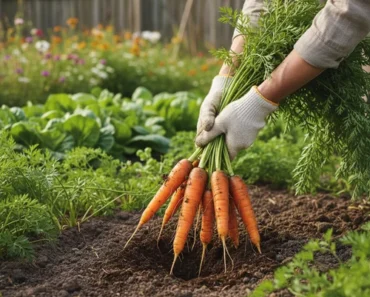
Every gardener who has ever pulled up a perfect carrot remembers the feeling. That satisfying snap as it releases from the soil. The sweet, earthy smell. The bright orange color that no store-bought carrot can match.
Success with carrots builds confidence for bigger gardening adventures. Once those first perfect roots emerge, the next step might be growing tomatoes or expanding into a full vegetable garden. Each season teaches new lessons, and carrots are a wonderful place to begin.
Start small. Plant one row. Keep the soil moist. Thin without mercy. And by late summer or fall, the satisfaction of homegrown carrots will make every effort worthwhile.