The question of how long does it take carrots to grow sits at the heart of every gardener’s planning calendar. There’s something almost magical about planting those tiny seeds and waiting for bright orange roots to emerge from the soil weeks later. But that waiting game can feel endless without knowing what to expect. Understanding how to grow carrots from seed to harvest starts with mastering their timeline.
The Short Answer: How Long Does It Take Carrots to Grow?
Most carrots take between 50 to 100 days from seed to harvest. The majority of popular varieties fall somewhere in the 60 to 80 day range. Fast-growing types can be ready in as little as 50 days, while larger, late-season varieties may need a full 100 days before they’re ready to pull.
Many first-time carrot growers expect results within a month. They plant their seeds, water faithfully, and then wonder why nothing seems to be happening underground. The truth is that carrots are patient vegetables. They spend weeks building their root systems before any visible orange treasure appears. That early disappointment often turns into delight when those first carrots finally come up from the soil, plump and sweet.
- Early varieties: 50-65 days
- Standard varieties: 65-75 days
- Late-season varieties: 75-100 days
- Baby carrots: 30-40 days (harvested small)
Understanding Carrot Growth Stages (And What Happens When)
Carrots don’t just sit underground doing nothing for two months. They move through distinct growth stages, each with its own timeline and challenges. Knowing these stages helps gardeners spot problems early and stay calm during the slow periods.
Stage 1: Germination (7-21 Days)
This stage tests every gardener’s patience. Carrot seeds are notoriously slow to sprout. Under ideal conditions with soil temperatures between 55-75°F, germination takes about 14 days. In cooler early spring soil, seeds might take a full three weeks to show any green.
The soil must stay consistently moist during this period. Many gardeners cover their carrot rows with burlap or cardboard to retain moisture until sprouts appear. One simple trick that works well is laying a plank of wood over the planted row and checking underneath daily.
Stage 2: Seedling Development (2-4 Weeks)
Once those feathery green tops emerge, the real growing begins. Seedlings spend the next two to four weeks developing their foliage and establishing root systems. This is when thinning becomes crucial. Crowded carrots compete for resources and end up stunted.
When seedlings reach about 1-2 inches tall, thin them to stand 3-4 inches apart. It feels wasteful to pull out perfectly healthy seedlings, but spacing directly affects how long carrots take to mature and how large they’ll grow.
Stage 3: Root Formation (4-6 Weeks)
Now the exciting part happens underground. The carrot begins forming its distinctive taproot, growing downward and slowly thickening. The tops grow bushier and taller during this phase too. Gardeners can sometimes see the carrot shoulders peeking above the soil line.
Stage 4: Root Maturation (Final 4-6 Weeks)
The final stretch focuses on building size and sweetness. The root thickens significantly, sugars develop, and color deepens. This stage is when patience pays off. Pulling carrots too early means smaller, less flavorful roots. Waiting too long can result in woody, tough texture.
Carrot Growing Timeline by Variety
Not all carrots march to the same drum. Choosing the right variety for the available growing window makes all the difference. Someone planting in late spring with hot summer approaching needs a different carrot than someone with a long, cool growing season.
Fast-Maturing Varieties (50-65 Days)
These quick growers work perfectly for short seasons or impatient gardeners:
- Amsterdam Forcing: Ready in just 42 days – the speed champion
- Mokum: 50-65 days to full size, or harvest as baby carrots in 36 days
- Paris Market: Round, golf-ball shaped carrots ready in 50-60 days
Medium-Maturing Varieties (65-75 Days)
The most popular home garden varieties fall into this category:
- Nantes: Sweet, cylindrical roots ready in 65-70 days
- Danvers: Sturdy, adaptable variety maturing in 65-75 days
- Chantenay: Short and stout, perfect for heavy soils, 65-70 days
Late-Season Varieties (75-100 Days)
For gardeners who can wait, these varieties reward patience with size:
- Imperator: Classic long carrots taking 70-80 days
- Autumn King: Large storage carrots needing up to 100 days
Baby Carrots vs Full-Size Carrots
Any carrot variety can be harvested young as a “baby carrot.” Pulling them when they’re finger-width, around 30-40 days after germination, gives sweet, tender roots. True baby varieties simply taste better when harvested small.
5 Key Factors That Affect How Long Carrots Take to Grow
The days-to-maturity number on a seed packet represents ideal conditions. Real gardens rarely offer perfection. Understanding what speeds up or slows down carrot development helps gardeners adjust their expectations and their techniques.
Soil Temperature (The Biggest Factor)
Carrots are temperature sensitive throughout their growth. The sweet spot sits between 55-75°F for steady, healthy development.
- Below 50°F: Growth slows dramatically, germination may fail
- 55-75°F: Optimal range for steady growth
- Above 86°F: Growth slows, flavor turns bitter
Early spring plantings often take longer simply because cold soil slows everything down. Fall plantings sometimes mature faster because they start in warm soil and finish as temperatures cool.
Soil Type and Preparation
Loose, sandy, well-draining soil lets carrots grow quickly and straight. Heavy clay soil is the number one reason for slow, stunted carrot growth. Roots struggle to push through compacted soil, forking and twisting instead of growing down.
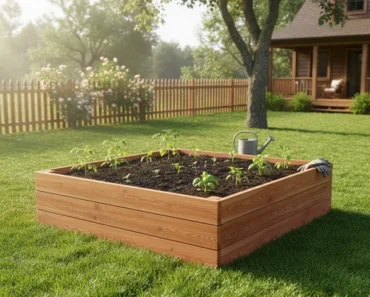
Preparing soil deeply before planting, or building a raised garden bed filled with loose growing mix, dramatically improves carrot timing and quality.
Spacing and Thinning
Crowded carrots compete for nutrients, water, and space. Each carrot needs that 3-4 inch bubble around it to develop properly. Skipping the thinning step almost guarantees a longer wait for smaller carrots.
Water Consistency
Carrots need about one inch of water per week. More importantly, that moisture must stay consistent. Cycles of drought and flood stress the roots, causing cracking, forking, and slower development. Mulching helps maintain even soil moisture between waterings.
Sunlight Exposure
Carrots need 6+ hours of direct sunlight daily. Shaded carrots grow leggy tops and underdeveloped roots. They’ll eventually mature, but the timeline stretches significantly in partial shade.
Why Your Carrots Might Be Growing Slower Than Expected
When carrots seem to stall, there’s usually a clear reason. Identifying the problem early means the next planting can go better.
Common Timing Problems
- Heavy or clay soil: The most common culprit – roots can’t push through
- Planting when soil is too hot: Above 75°F soil temperature slows germination and early growth
- Inconsistent watering: Especially during germination, dry spells cause major setbacks
- Overcrowding: Too many carrots fighting for resources means none mature on time
- Insufficient sunlight: Shaded beds add weeks to the timeline
How to Tell If Your Carrots Are Behind Schedule
Gently brush away soil from the carrot shoulders to check progress. At the halfway point (around 30-35 days for standard varieties), shoulders should be visible at or near the soil surface. The foliage should look full and healthy, not spindly or yellowing.
If carrots seem behind, adjusting water, adding natural fertilizer options, or simply waiting longer often solves the problem.
How to Speed Up Your Carrot Growing Timeline
While carrots can’t be rushed beyond their genetic potential, creating ideal conditions helps them reach maturity as quickly as possible.
- Choose fast-maturing varieties for quick harvests
- Wait to plant until soil reaches 55-65°F
- Prepare loose, well-draining soil before planting
- Use raised beds for better soil and temperature control
- Keep soil consistently moist during germination
- Thin seedlings promptly when 1-2 inches tall
- Apply light fertilizer at the midpoint of growth
Raised beds often shave a full week off carrot timelines. The soil warms faster in spring, drains better after rain, and stays loose throughout the season. Gardeners who switched from in-ground rows to raised beds often notice their carrots maturing ahead of schedule.
Getting the proper carrot planting technique right from the start also prevents delays caused by seeds planted too deep or soil crusting over.
When to Harvest: Reading Your Carrots’ Timeline Cues
Counting days matters, but visual cues confirm readiness. Carrots send clear signals when they’re ready to come out of the ground.
Visual Signs Your Carrots Are Ready
- Shoulder diameter: Look for shoulders about 3/4 inch across for standard varieties
- Color visible at soil line: Bright orange showing at the surface
- Foliage is full and green: Healthy tops indicate healthy roots
- Days match seed packet: Check your planting date against variety expectations
The Touch Test Method
Gently brush soil away from one or two carrots and feel the shoulders. They should feel firm and smooth. A test pull on a single carrot reveals whether the batch is ready without disturbing the whole row.
Baby Carrots vs Full Maturity
Baby carrots can be pulled whenever they reach finger-width, usually around 30-40 days. They’re tender, sweet, and perfect for snacking. Full-size carrots need the complete timeline to develop their characteristic crunch and sweetness.
Harvesting slightly early is better than waiting too long. Overripe carrots develop a woody core and lose their sweetness.
Planning Your Carrot Growing Schedule
Successful carrot growing means matching planting times to variety timelines. A little calendar math prevents both early-summer bolting and late-fall disappointment.
Spring Planting Timeline
Plant carrots 2-3 weeks before the last frost date. The cool soil and air temperatures are actually ideal for germination and early growth. Spring-planted carrots typically mature in early to mid-summer.
Fall Planting Timeline
Count backwards from the first frost date. Plant fall carrots 10-12 weeks before frost arrives. These carrots mature as temperatures cool, developing exceptional sweetness. Many gardeners consider fall carrots their best-tasting harvest.
Succession Planting for Continuous Harvest
Rather than planting all carrots at once, sow a new row every 2-3 weeks from early spring through midsummer. This staggers the harvest window, providing fresh carrots for months instead of one overwhelming crop.
Mixing fast and slow varieties within the same bed also extends harvest time. Pull the quick-maturing types first, giving the later varieties more room to finish.
Coordinating carrot timing with other vegetables makes garden planning more efficient. While waiting for carrots, many gardeners enjoy success with faster crops like lettuce, or coordinate with longer-season plants like growing tomatoes that mature on similar timelines.
“Understanding how long carrots take to grow transforms frustrating waits into confident anticipation. Each growth stage builds toward that satisfying moment of pulling bright orange roots from the soil.”
The carrot growing timeline fits beautifully into most garden plans once gardeners understand what to expect. From that slow germination period through the exciting root formation weeks, every stage moves toward harvest. Whether growing quick baby carrots in 30 days or patiently waiting 100 days for storage varieties, knowing the timeline makes all the difference.
Ready to dig deeper into vegetable gardening success? Understanding basic plant care principles applies whether growing carrots in the garden or nurturing houseplants inside. Every plant has its own timeline, and learning to read those rhythms makes gardening more rewarding with each season.