Most gardeners have heard the warnings about asparagus. They know it takes years before that first harvest. Yet something magical happens when a gardener bites into their first homegrown spear. Suddenly, every day of waiting makes perfect sense. Learning how to grow asparagus requires patience, yes. But the reward? Fresh spears every spring for the next twenty to thirty years.
That is not an exaggeration. A well-maintained asparagus bed can produce delicious harvests for decades. Compare that to annual vegetables like caring for tomato plants that need replanting every single season. Asparagus plants, once established, become a permanent fixture in the garden.
Why Growing Asparagus Is Worth the Wait (And How One Gardener Almost Gave Up)
There is a story that plays out in gardens across the country every year. A hopeful gardener plants asparagus crowns with visions of buttery spears dancing in their head. Then year one passes. No harvest. Year two arrives. Still nothing to pick. By month eighteen, doubt creeps in. Was something done wrong? Are the plants even alive?
The Classic First Asparagus Bed Mistake
Here is what happens to so many first-time asparagus growers. They see those tempting little spears poking up in year one or two. The spears look ready. They smell incredible. And the gardener thinks, “What harm could a few spears do?”
That early harvest is the mistake. Those young plants need every bit of energy to build their root systems. Cutting spears too early robs them of the strength they need for future production. Some beds never recover from overeager harvesting in those first years.
The Perennial Payoff: 20-30 Years of Harvests
Now consider the flip side. A gardener who exercises patience during years one and two gets repaid handsomely. Their asparagus bed becomes a spring tradition that outlasts most garden tools, outlasts several pairs of gardening gloves, and might even outlast the family dog.
- Grocery store asparagus costs roughly $3-5 per pound
- A mature bed produces 8-10 pounds per plant, per season
- That is $25-50 worth of asparagus from a single plant, every year, for decades
Asparagus also holds the honor of being one of the earliest spring vegetables. While the rest of the garden still wears its winter coat, asparagus spears push through the soil like little green promises.
Understanding Asparagus: What Gardeners Need to Know Before Planting
Asparagus belongs to a special category called perennial vegetables. Unlike tomatoes, peppers, or beans that complete their life cycle in one season, perennial plants return year after year. Understanding basic plant care basics helps, but asparagus has its own unique requirements.
Male vs. Female Plants: Does It Matter?
Here is something most gardeners do not realize: asparagus plants come in male and female varieties. And this detail makes a significant difference in harvest size.
Female asparagus plants produce red berries that contain seeds. Those berries might look pretty, but they represent wasted energy. Instead of putting resources into spear production, female plants divert energy into seed-making.
Male asparagus plants skip the berries entirely. All their energy goes straight into producing thick, tender spears. The difference is dramatic. Male plants produce roughly three times more harvestable spears than female plants.
Best Asparagus Varieties for Home Gardens
Smart gardeners choose all-male hybrid varieties. These include:
- Jersey Giant: Thick spears with excellent disease resistance
- Jersey Knight: Performs well in heavy soils and cold climates
- Millennium: Canadian variety known for high yields
- Mary Washington: Heirloom variety with good rust resistance
Most gardeners plant asparagus crowns rather than seeds. Crowns are one-year-old root systems that shave a full year off the waiting period. Seeds work fine but add twelve extra months to an already lengthy timeline.
Site Selection and Soil Preparation
Choosing the right spot for an asparagus bed matters more than almost any other decision. Remember, this bed will occupy that space for two or three decades. Moving asparagus later is technically possible but rarely successful.
Choosing the Perfect Location
Asparagus craves sunshine. The ideal spot receives six to eight hours of direct sunlight daily. Less light means fewer spears and weaker plants.
Think about the garden layout too. Asparagus ferns grow tall, sometimes reaching four to five feet. Position the bed along the north side of the garden so those feathery fronds do not shade shorter vegetables.
Soil Requirements and pH Testing
Well-drained soil sits at the top of the asparagus wish list. Crowns sitting in waterlogged soil develop root rot and die. After a heavy rain, check the potential planting area. If water pools there for more than a few hours, that spot will not work.
Asparagus prefers soil with a pH between 6.5 and 7.0. Testing kits from garden centers take the guesswork out of this. If soil runs too acidic, adding lime raises the pH. Too alkaline? Sulfur brings it down.
Preparing Your Asparagus Bed
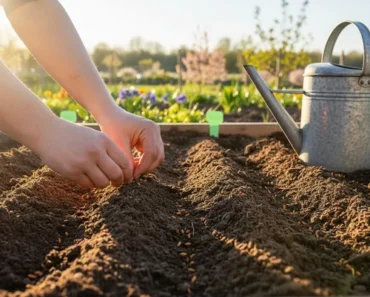
Soil preparation separates thriving asparagus beds from struggling ones. The roots dive deep, so the soil needs loosening to at least twelve to fifteen inches.
Work two to four inches of compost or aged manure into the entire bed. This organic matter improves drainage in clay soils and water retention in sandy soils. Either way, asparagus roots will thank the gardener.
One more critical step: eliminate every weed from the planting area. Asparagus competes poorly against weeds, especially in its early years. Starting with a clean bed makes future maintenance much easier.
How to Plant Asparagus Crowns Step-by-Step
With the site prepared and crowns in hand, planting day arrives. This step-by-step process gives asparagus the best possible start.
When to Plant (Timing Matters)
Plant asparagus crowns two to four weeks before the last expected spring frost. The soil should be workable but not waterlogged. Crowns planted in cold, wet soil often rot before establishing.
In most areas, this means planting asparagus sometime in March or April. Southern gardeners can plant even earlier. The key is getting crowns in the ground while they are still dormant.
The Trench Method Explained
Asparagus requires a unique planting method. Instead of digging individual holes, gardeners dig trenches.
- Dig trenches six to twelve inches deep (deeper for sandy soil, shallower for clay)
- Make trenches about ten inches wide
- Create small mounds of soil in the bottom of each trench
- Drape crown roots over these mounds like an octopus over a rock
- Cover crowns with just two inches of soil initially
That last step surprises many gardeners. Why only two inches when the trench is twelve inches deep? Here is the clever part.
As shoots emerge and grow, add another two inches of soil. Then wait for more growth and add two more inches. This gradual filling continues until the trench reaches ground level. The process usually takes several weeks.
This method gives emerging shoots the strength to push through soil while avoiding the shock of being buried too deeply all at once.
Proper Spacing for Maximum Yield
Asparagus needs room. Space crowns twelve to eighteen inches apart within each row. Leave four to five feet between rows. This generous spacing might seem wasteful with young plants, but mature asparagus fills those gaps completely.
Essential Care for Thriving Asparagus Plants
Planting represents just the beginning. The real work happens over the next few years as plants establish themselves.
Watering Requirements
During those crucial first two years, asparagus beds need one to two inches of water weekly. Deep watering encourages roots to grow downward, building the strong foundation needed for decades of production.
Established beds require less attention but still appreciate consistent moisture during dry spells. Asparagus growing in drought conditions produces fewer and thinner spears.
Fertilizing Your Asparagus Bed
Asparagus benefits from regular feeding. Two approaches work well:
- Early spring feeding: Apply fertilizer before spears emerge, giving plants nutrients for the growing season
- Post-harvest feeding: Fertilize in late June after harvesting ends, helping plants rebuild energy stores
Organic fertilizers and compost top-dressing work beautifully. A two-inch layer of compost spread over the bed each year provides slow-release nutrition while improving soil structure.
The Biggest Challenge: Weed Management
Weeds cause more asparagus bed failures than any other factor. The problem? Asparagus has shallow feeder roots near the soil surface. Aggressive hoeing or cultivating damages these roots.
Hand-pulling weeds remains the safest option for asparagus beds. Yes, it takes more time. But those shallow roots stay intact. Learning natural weed control methods helps keep asparagus beds clean without chemicals or root damage.
Mulch serves as a gardener’s best friend here. A three to four inch layer of straw, wood chips, or shredded leaves suppresses weeds while retaining soil moisture. Refresh the mulch layer each spring before spears emerge.
Common Asparagus Pests and Problems (And How to Fix Them)
Even healthy asparagus beds face occasional challenges. Recognizing problems early makes solutions easier.
Asparagus Beetles: Identification and Control
The asparagus beetle ranks as the most common pest. Adults measure about a quarter-inch long with blue-black bodies and yellow spots. They appear in spring just as spears emerge and can strip ferns down to bare stems if left unchecked.
Control starts with handpicking. Drop beetles into a bucket of soapy water. Check plants early morning when beetles move slowly. For severe infestations, organic insecticides containing spinosad provide effective control.
Fall cleanup helps prevent beetle problems. Cut back and remove all ferns after they brown. This destroys overwintering sites where adult beetles hide until spring.
Preventing Asparagus Rust and Fusarium
Asparagus rust appears as orange-yellow spots on stems and fern branches. The disease weakens plants over time and spreads quickly in humid conditions.
Prevention beats treatment. Plant rust-resistant varieties like Mary Washington or Martha Washington. Ensure good air circulation by maintaining proper spacing. Remove infected plant material immediately.
Fusarium crown rot presents a more serious threat. This soil-borne fungus causes yellowing, wilting, and eventual plant death. Once established, no cure exists. Prevention requires proper soil pH, excellent drainage, and avoiding planting in areas where asparagus or related plants grew before.
Other Common Issues
Thin, spindly spears usually indicate one of three problems: overharvesting, insufficient fertilization, or plants that are simply too young. Give young beds time and established beds rest, and thickness typically improves.
Aphids occasionally cluster on asparagus ferns. A strong spray of water knocks them off, and beneficial insects like ladybugs help keep populations in check.
The Patience Game: When and How to Harvest Asparagus
This section separates successful asparagus growers from frustrated ones. Understanding when to harvest, and more importantly when not to harvest, determines whether a bed thrives for decades or fizzles out in a few years.
The Critical First Two Years (Do Not Harvest!)
Years one and two require ironclad discipline. Do not harvest anything. Not even one spear. Not even a tiny one that looks perfectly ready.
During these establishment years, plants build the extensive root systems that fuel future production. Every spear cut during year one or two represents stored energy stolen from the plant’s future.
Let all spears grow into tall, feathery ferns. These ferns photosynthesize all summer, creating sugars that flow down into the crown for storage. That stored energy becomes next spring’s harvest.
Year 3 and Beyond: Harvest Timeline
Finally, year three arrives. Harvesting can begin, but with limits:
- Year 3: Harvest for 4 weeks maximum
- Year 4: Harvest for 6 weeks maximum
- Year 5+: Harvest for 8 weeks maximum
In most climates, harvest season runs from late April through mid-June. Southern gardens harvest earlier, northern gardens later. The season ends when spears start emerging pencil-thin, signaling the plant has exhausted its energy reserves.
How to Harvest Properly
Harvest spears when they reach six to eight inches tall and maintain pencil thickness or greater. At this size, tips remain tight and flavor peaks.
Two harvesting methods work well. Some gardeners snap spears at ground level by bending them until they break naturally. Others prefer cutting with a sharp knife about an inch below the soil surface.
During peak season, harvest every day or two. Asparagus grows remarkably fast in warm weather. A spear barely visible in the morning might stand eight inches tall by evening.
Post-Harvest Care and Long-Term Maintenance
What happens after harvest season determines next year’s success. Once harvesting stops, let all emerging spears grow into ferns. Those tall, feathery fronds might look like the plant is going wild, but they serve a crucial purpose.
Asparagus ferns are solar panels. They capture sunlight and convert it into energy stored in the crown below ground. More fern growth means more stored energy, which translates to more and thicker spears next spring.
In fall, after ferns turn brown from frost, cut them down to ground level. Remove and dispose of the dead material to reduce pest and disease pressure.
Side-dress the bed with compost each year. This annual feeding, combined with proper care, keeps asparagus beds productive for fifteen to thirty years. Some gardeners report beds still producing after forty years with exceptional care.
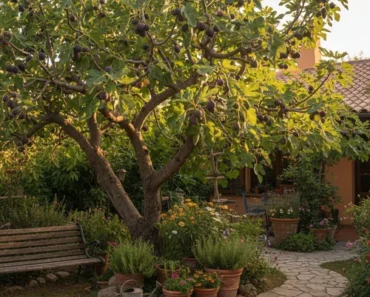
Similar to growing perennial plants like fig trees, asparagus rewards the long-term commitment. The initial patience pays dividends for decades.
Frequently Asked Questions About Growing Asparagus
Can Asparagus Grow in Containers?
Technically yes, but results disappoint most gardeners. Asparagus roots want to dive three feet deep or more. Containers restrict this growth, leading to weak plants and sparse harvests. For serious asparagus production, plant directly in the ground or in very deep raised beds.
Should Gardeners Start from Seeds or Crowns?
Crowns win for most home gardeners. Seeds add an extra year to the already long wait before harvest. Crowns cost more upfront but save significant time. For the patient gardener on a tight budget, seeds work fine but require an extra year of establishment before that first harvest.
Why Are Some Spears So Thin?
Thin spears signal stress. The most common causes include overharvesting, inadequate nutrition, or simply a bed that has not fully matured. Young beds naturally produce thinner spears than established ones. If a mature bed suddenly starts producing thin spears, reduce harvest duration and increase fertilization.
Can Asparagus Be Transplanted?
Moving asparagus rarely succeeds. Those deep, spreading roots make transplanting difficult and stressful for the plant. When possible, choose a permanent location from the start. If transplanting becomes necessary, dig deeply and widely, move in early spring while dormant, and expect reduced production for several years.
How Do Gardeners Test Soil for Asparagus?
Simple soil test kits from garden centers measure pH accurately. For drainage testing, dig a hole twelve inches deep and fill it with water. If water remains after two hours, drainage needs improvement through raised beds or soil amendments.
The Long View: Planning Your Garden
Growing asparagus teaches gardeners to think in years rather than weeks. It rewards patience, punishes impatience, and delivers harvests that span generations. The gardener who plants asparagus this spring is giving a gift to their future self, year after year.
For those not quite ready for the asparagus commitment, faster-growing vegetables offer quicker gratification. Growing carrots delivers results in just a few months. But once those first asparagus spears appear in year three, most gardeners wonder why they waited so long to start.
The best time to plant an asparagus bed was three years ago. The second best time? This spring. Start planning that permanent asparagus spot, prepare the soil with care, and look forward to decades of delicious harvests ahead.