Why One Gardener Almost Gave Up on Indoor Seed Starting (And Why She’s Glad She Didn’t)
There’s a particular kind of heartbreak that comes from watching tiny green seedlings slowly collapse. The tomato starts looked so promising at first. Thin stems reached desperately toward a sunny windowsill. Then they got taller. And taller. Soon they looked like pale green noodles instead of sturdy plants.
Learning how to plant seeds indoor seemed simple enough. Just add water and sunshine, right? Wrong. Those leggy tomato seedlings taught a hard lesson that many beginner gardeners learn the exact same way.
But here’s the thing. Once the proper technique clicks into place, indoor seed starting becomes almost magical. Strong, stocky seedlings. Hundreds of plant varieties to choose from. Massive savings at the garden center. It just takes knowing what actually works.
This guide walks through everything a beginner needs to grow healthy seedlings indoors. From timing and supplies to the exact steps that produce strong transplants ready for the garden.
Why Start Seeds Indoors? The Real Benefits
Some gardeners wonder if indoor seed starting is worth the effort. After all, nurseries sell starter plants every spring. But once someone understands the true benefits, there’s usually no going back to store-bought starts.
Massive Cost Savings
The math speaks for itself. A single tomato plant at a nursery costs anywhere from $3 to $8. Sometimes more for heirloom varieties. One seed packet costs about $2 and contains enough seeds to grow 20 or more plants.
For anyone interested in growing tomatoes from seed, the savings add up fast across an entire garden.
Access to Hundreds More Varieties
Garden centers stock maybe 10-15 tomato varieties. Seed catalogs offer hundreds. Purple Cherokee heirlooms. Tiny yellow cherry tomatoes. Giants that weigh two pounds each. The same goes for peppers, squash, and starting herbs like basil.
Seeds unlock a world of possibilities that simply don’t exist on nursery shelves.
Jump-Start Your Growing Season
Northern gardeners know the struggle. Short growing seasons mean warm-weather crops like tomatoes and peppers need every extra day possible. Starting seeds indoors gives plants a 6-8 week head start before the last frost even arrives.
Those extra weeks can mean the difference between a bountiful harvest and green tomatoes still on the vine when fall frost hits.
When to Start Seeds Indoors: Timing Is Everything
Here’s where many beginners go wrong. Enthusiasm kicks in sometime around February, and suddenly every windowsill has seed trays. Six weeks later, the plants have outgrown their containers. Two months remain before they can safely go outside.
The general rule: start seeds 6 weeks before the last frost date for most vegetables. But timing varies by plant:
- Tomatoes and peppers: 6-8 weeks before last frost
- Broccoli and cabbage: 6 weeks before last frost
- Cucumbers and squash: 3-4 weeks before last frost
- Basil and herbs: 4-6 weeks before last frost
Finding a local last frost date is easy. Search for “last frost date” plus your city name, or check with the local cooperative extension office.
Essential Supplies You Need (And What to Skip)
Getting started doesn’t require fancy equipment. A few key items make all the difference, while some popular products are completely optional.
Containers and Trays
Seedlings need containers with drainage holes. Period. Seed starting trays work well, as do recycled yogurt cups with holes poked in the bottom. Cell trays with a solid bottom tray underneath catch excess water and make watering easier.
Clear humidity domes help during germination but should come off once seedlings emerge.
Growing Medium
This part matters more than most beginners realize. Seed-starting mix is not the same as potting soil or garden soil.
- Seed-starting mix: Light, fluffy, excellent drainage, low fertility. Perfect for germination.
- Potting soil: Often too dense and contains fertilizer that can burn tender seedlings.
- Garden soil: Way too heavy. Compacts in containers and may contain disease organisms.
Understanding basic plant care principles helps explain why this distinction matters so much for success.
Light Source
Seedlings need 12-16 hours of light daily. This is where that windowsill approach usually fails. Even south-facing windows rarely provide enough light intensity in late winter. The result? Leggy, stretched-out seedlings reaching toward inadequate light.
Grow lights solve this problem completely. Simple shop lights with fluorescent or LED bulbs work fine. Position lights 2-3 inches above seedlings and raise them as plants grow.
Optional But Helpful Tools
These items speed things along but aren’t strictly necessary:
- Heat mat: Keeps soil warm for faster germination
- Small fan: Provides air circulation that prevents disease and strengthens stems
- Labels and markers: Absolutely essential for tracking what’s planted where
For a complete setup, check out our guide to essential gardening tools.
Step-by-Step: How to Plant Seeds Indoor
With supplies gathered, the actual planting process is surprisingly straightforward. Following these steps carefully sets seedlings up for success from day one.
Step 1: Prepare Your Seed Starting Mix
Dry seed-starting mix repels water at first. Pour the mix into a large bowl or bucket. Add warm water gradually while mixing with your hands. The goal: evenly moist (like a wrung-out sponge) but not soggy.
Pre-moistening before planting prevents seeds from floating or washing away.
Step 2: Fill Containers
Fill seed trays or containers with the moistened mix. Gently press down to eliminate air pockets, but don’t pack too tightly. Leave about half an inch from the top for watering.
Step 3: Plant at the Right Depth
Here’s a rule that works for almost every seed: plant 2-3 times as deep as the seed’s diameter. A seed the size of a peppercorn gets planted about a quarter inch deep.
Most seed packets include specific planting depth instructions. When in doubt, check the packet.
Step 4: Create the Perfect Environment
Seeds need warmth and moisture to germinate. Cover trays with a clear humidity dome or plastic wrap to hold in moisture. Place somewhere warm, ideally 68-86 degrees Fahrenheit. A heat mat underneath speeds germination significantly.
Light isn’t needed until seedlings emerge. Seeds germinate fine in darkness.
Step 5: Label Everything
This step seems obvious until someone skips it. Three weeks later, a tray full of tiny green seedlings all look identical. Was that the Roma tomato or the cherry tomato? The hot pepper or the sweet pepper?
Label each cell or section with the variety name and planting date. Future self will be grateful.
Caring for Your Seedlings: Light, Water, and Temperature
Once green sprouts appear, the real work begins. The next few weeks determine whether seedlings grow into strong transplants or struggling weaklings.
Getting the Light Right
Remove humidity domes immediately when the first seedling emerges. Then get lights positioned. Grow lights should sit 2-3 inches above the seedling tops. Raise lights as plants grow to maintain that distance.
Run lights for 12-16 hours daily. Seedlings also need a dark period to rest and process growth, so don’t leave lights on 24/7.
Watering Without Drowning
Overwatering kills more seedlings than underwatering. The soil surface should feel almost dry before adding more water.
Bottom watering works best. Set trays in a shallow container of water and let the mix absorb moisture from below for 10-20 minutes. This keeps the soil surface drier and prevents fungal diseases. It also encourages roots to grow downward searching for water.
Temperature After Germination
Here’s a trick many beginners miss. After seeds germinate, lower the temperature by about 10 degrees. Ideal growing temperature for most seedlings: 65-75 degrees Fahrenheit. Slightly cooler nights are fine.
The warmth that speeds germination actually produces weaker seedlings if maintained too long.
A small fan running nearby provides gentle air movement. This prevents fungal problems and causes stems to sway slightly, building strength for life outdoors.
Once seedlings develop their first set of true leaves, they can handle diluted organic fertilizing options at quarter strength.
Common Mistakes That Kill Seedlings (And How to Avoid Them)
Even experienced gardeners lose seedlings sometimes. But knowing the most common pitfalls helps avoid preventable disasters.
- Not enough light: The number one cause of leggy, weak seedlings. If stems look stretched and floppy, light is insufficient.
- Overwatering: Leads to damping off disease, where seedlings suddenly collapse at the soil line. The stem rots, and it happens fast.
- Starting too early: Results in overgrown plants stuck indoors while waiting for frost-free weather.
- Wrong growing medium: Regular soil compacts, drains poorly, and may harbor disease.
- Leaving humidity dome on too long: Creates perfect conditions for fungal problems. Remove as soon as seedlings emerge.
- Not potting up: Rootbound seedlings become stunted. When roots circle the bottom of containers, it’s time to move up a size.
Hardening Off: The Critical Step Before Transplanting
Seedlings grown indoors have lived a pampered life. Consistent temperatures. No wind. No blazing sun. Putting them directly in the garden is like sending a house cat into the wilderness.
Hardening off is the two-week process of gradually introducing seedlings to outdoor conditions. Skip this step, and plants may wilt, burn, or die from shock.
Two-Week Hardening Off Schedule:
- Days 1-3: Place seedlings in shade for 2-3 hours. Protected from wind.
- Days 4-6: Increase to 4-5 hours. Some filtered sunlight okay.
- Days 7-9: Extend to 6-7 hours. Introduce morning sun.
- Days 10-12: Full days outside. Some direct afternoon sun.
- Days 13-14: Leave out overnight if temperatures stay above 50 degrees.
Watch the weather forecast carefully. Bring seedlings inside if frost threatens. All that work shouldn’t end with one cold night.
Signs seedlings are ready to transplant: sturdy stems that don’t flop, deep green color, roots filling the container, plants hold up well in outdoor conditions.
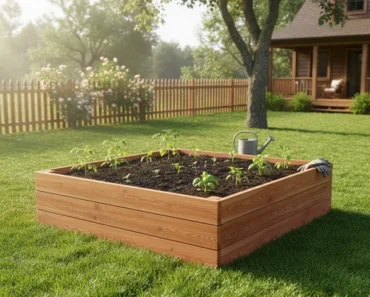
Before transplanting, make sure the garden is ready. Information about preparing your garden soil and building raised beds helps create the perfect landing spot for those carefully grown seedlings.
What to Plant Next: Connecting the Dots
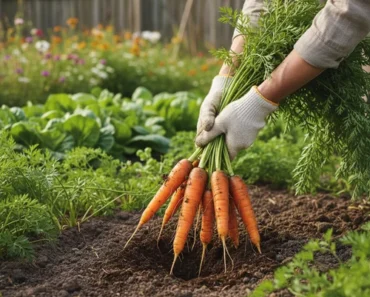
Not every vegetable benefits from indoor starting. Root crops like growing carrots do better when seeds go directly into the garden. Their tap roots don’t transplant well.
But tomatoes, peppers, eggplant, broccoli, cabbage, and most herbs thrive when started indoors. These plants need a longer growing season than most climates provide.
The key is matching the method to the plant. Some seeds want indoor pampering. Others prefer to start life right where they’ll grow.
Starting seeds indoors opens up a whole new world of gardening possibilities. More varieties. Lower costs. Healthier plants. That initial learning curve pays dividends for years to come.
The gardener who almost gave up on those leggy tomato seedlings now starts hundreds of plants each spring. The difference wasn’t luck or talent. It was simply learning the right techniques.
Anyone can do this. The supplies are affordable. The process is straightforward. And those first strong, stocky seedlings growing under lights feel like a genuine accomplishment.
Time to get planting.