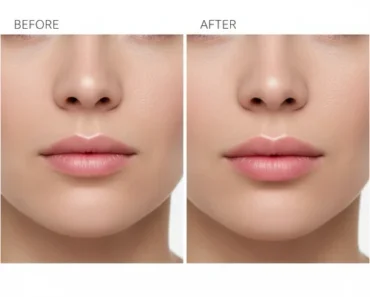
Sarah had always thought wrinkles were inevitable. Then she discovered something surprising: learning how to tighten face skin with exercise could actually turn back the clock. No expensive creams. No invasive procedures. Just a few minutes each day working the muscles most people forget they have.
Facial exercises have been around for decades. But recent research finally proves what practitioners have claimed all along. These simple movements can make a real difference in how skin looks and feels. The science is in, and it is worth paying attention to.
This guide covers everything needed to start a facial exercise routine that works. From the science behind skin tightening to eleven proven exercises with step-by-step instructions. Whether someone is dealing with early signs of aging or simply wants to maintain their current look, these techniques fit naturally into any overall health and wellness routine.
Why Facial Exercises Work for Skin Tightening (The Science Behind It)
The face contains more than 40 muscles. Unlike arm or leg muscles, most people never consciously work these facial muscles. They just sit there, slowly losing tone year after year. That is where the magic of facial exercise comes in.
How Facial Muscles Support Skin Firmness
Think of facial muscles as the scaffolding beneath the skin. When that scaffolding stays strong and toned, the skin has better support. It drapes more smoothly across the face. When muscles weaken and shrink, the skin has less to hold onto. It starts to sag and fold.
This explains why some people develop jowls while others do not. It is not just about skin quality. Muscle tone plays a huge role. By strengthening these underlying muscles, the foundation that holds everything up gets rebuilt.
The Role of Increased Blood Flow and Collagen Production
Exercise brings blood to the area being worked. More blood means more oxygen and nutrients reaching skin cells. It also means better waste removal. The result is healthier, more vibrant-looking skin.
There is more happening beneath the surface too. Movement and resistance stimulate collagen production. Collagen is the protein that keeps skin plump and firm. Understanding collagen loss and aging helps explain why this matters so much. After age 25, collagen production drops about 1% each year. Anything that boosts it naturally is worth exploring.
What Research Says: The Northwestern Study Results
A study published in JAMA Dermatology put facial exercises to the test. Researchers at Northwestern University had middle-aged women follow a 20-week program. The results? Participants looked about three years younger on average.
That is not marketing fluff. That is peer-reviewed science.
- 20 weeks of facial exercises = appearance 3 years younger
- 30 minutes daily for first 8 weeks showed best results
- Improvements seen in upper and lower cheek fullness
More recent research from 2024-2025 confirms these findings. An 8-week intensive face yoga study showed reduced muscle stiffness in middle-aged women. Their facial muscle tone improved measurably. The science keeps building.
Realistic Timeline: When to Expect Results from Facial Exercises
Here is where honesty matters. Facial exercises work. But they do not work overnight. Anyone promising instant results is selling something that does not exist.
A realistic timeline looks something like this:
- Weeks 1-2: Building awareness of facial muscles. Learning to isolate and control specific areas. Some people notice their face feels more awake.
- Weeks 4-6: Subtle improvements in muscle tone. The face might look slightly more lifted after exercising, though effects fade.
- Weeks 8-12: Noticeable improvements in skin firmness. Friends and family might comment that something looks different.
- Week 20+: Maximum visible results. This is where the Northwestern study saw that three-year age reduction.
Consistency beats intensity every time. Missing a few days here and there will not ruin progress. But skipping weeks at a time means starting over. The muscles need regular stimulation to maintain their new tone.
How Often Should Facial Exercises Be Done? (Frequency Guide)
The Northwestern protocol offers a good template. Participants exercised 30 minutes daily for the first eight weeks. Then they switched to every other day from weeks 9 through 20.
For beginners, that might feel like a lot. Starting with 3-4 sessions per week works fine. Even 15 minutes a day can make a difference. The key is finding a routine that is sustainable long-term.
- Week 1-2: 15 minutes, 3-4 times per week
- Week 3-4: 20 minutes, 4-5 times per week
- Week 5+: 20-30 minutes, daily or every other day
Morning works well for many people. Facial exercises wake up the muscles and can reduce puffiness. Others prefer evening sessions as part of their skincare routine. Either time works as long as it happens consistently.
11 Proven Facial Exercises to Tighten Skin (Step-by-Step Instructions)
These exercises target every major area of the face. They come from certified face yoga instructors and programs used in clinical research. A mirror helps ensure proper form.
Exercises for Forehead and Brow Area
1. Forehead Sweep
Place both hands on the forehead with fingers spread. Apply gentle pressure and slide fingers outward toward temples. Repeat 10 times. This smooths horizontal forehead lines and relaxes tension.
2. Forehead Press
Place palms against the forehead. Push forehead against hands while resisting the movement. Hold for 10 seconds. Release and repeat 5 times. This builds the frontalis muscle that lifts the brow area.
3. Eyebrow Lifter
Place index fingers just below each eyebrow. Push up gently while trying to close eyes against the resistance. Hold for 6 seconds. Repeat 10 times. This targets frown lines between the brows.
Exercises for Cheeks and Mid-Face
Cheek exercises are particularly effective for fixing saggy cheeks that can age a face dramatically.
4. O-Shape Smile
Form an O shape with the mouth. Smile widely while keeping the O shape. Place fingers lightly on top of cheeks. Lift and lower the cheek muscles 10 times. This creates a natural lift effect.
5. Fish Face
Suck in cheeks and lips to make a fish face. Try to smile while holding this position. Hold for 5 seconds. Repeat 10 times. This tones the muscles along the cheekbones.
6. Smile Lifter
Smile without showing teeth. Push tongue against roof of mouth. Hold for 5 seconds while focusing on lifting the cheeks. Repeat 10 times. This enhances cheekbone definition.
7. Cheek Press
Puff out both cheeks with air. Move air from one cheek to the other. Continue for 30 seconds. This strengthens the muscles throughout the mid-face area.
Exercises for Jawline and Lower Face
A defined jawline makes a face look younger and more sculpted. These exercises complement neck exercises for complete lower face and neck toning.
8. Chin-Up
Tilt head back slightly. Push lower jaw forward and upward. Feel the stretch under the chin. Hold for 10 seconds. Return to start. Repeat 10 times. This defines the jawline and reduces double chin appearance.
9. Jaw Push
Place thumbs under chin side by side. Open mouth slightly against the resistance of the thumbs. Hold for 10 seconds. Release. Repeat 10 times. This tightens the lower face muscles.
10. Collarbone Exercise
Jut lower lip out and upward. Feel the muscles in the neck and chin engage. Hold for 10 seconds. Repeat 5 times. This strengthens the connection between jaw and neck.
11. V-Shape Jawline
Make a V shape with index and middle fingers. Place on each side of chin. Slide fingers up along jawline while clenching teeth lightly. Repeat 10 times. This sculpts and defines jaw muscles.
Critical Mistakes to Avoid (That Can Make Wrinkles Worse)
Here is the thing many articles do not mention: facial exercises done wrong can actually create more wrinkles. That is not meant to scare anyone. It is meant to ensure the routine helps rather than hurts.
- Creating creases during exercises: If forehead wrinkles deepen while doing forehead exercises, something is wrong. Use fingers to hold skin smooth while working the muscles beneath.
- Pressing too hard: Gentle resistance works better than force. The goal is muscle activation, not skin stretching.
- Fast, jerky movements: Slow and controlled wins every time. Quick movements can stretch and damage skin over time.
- Focusing on one area: The face works as a unit. An unbalanced routine can create asymmetry.
- Overdoing it: More is not better. Muscles need rest to rebuild and strengthen.
- Ignoring warning signs: Jaw pain, numbness, or headaches mean something is wrong. Stop and reassess form.
Using a mirror during exercises helps catch form problems early. Watch for skin bunching or creasing. If it happens, adjust the technique or skip that exercise until getting proper guidance.
Maximizing Results: Combining Exercises with Proper Skincare
Facial exercises work best as part of a complete skincare approach. Think of it like this: exercising at the gym but eating junk food limits results. The same principle applies to the face.
Hydration makes a huge difference. Well-hydrated skin looks fuller and bounces back better. Choosing the right moisturizer supports the work being done through exercises. Apply it after exercising when blood flow is increased and absorption improves.
A solid natural face care routine provides the foundation. But there is more that can help.
Internal support matters too. Vitamins that support collagen production work from the inside out. Vitamin C, E, and A all play roles in skin health. So does protein intake, since collagen itself is a protein.
Sun protection might be the most important factor of all. UV damage breaks down collagen faster than anything else. All the exercises in the world cannot outpace serious sun damage. Daily SPF is non-negotiable.
Some people also add essential oils for anti-aging to their routine. These work alongside facial exercises to support skin health from multiple angles.
Common Questions About Facial Exercises for Skin Tightening
Can facial exercises replace cosmetic procedures?
They offer a natural alternative for mild to moderate concerns. For significant sagging or deep wrinkles, they may complement but not replace professional treatments. Results vary by individual.
Are results permanent or is ongoing practice needed?
Like any exercise, facial exercises require ongoing practice. Stop exercising and muscles gradually return to their previous state. The good news: maintaining results takes less time than building them initially.
What age should someone start facial exercises?
Prevention beats correction. Starting in the late twenties or early thirties helps maintain muscle tone before significant loss occurs. But it is never too late to begin. People in their sixties have seen meaningful improvements.
Can exercises make wrinkles worse if done incorrectly?
Yes. That is why proper form matters so much. Creating creases during exercises reinforces those lines. Use a mirror. Hold skin smooth when needed. Focus on the muscle movement beneath the skin.
How long before a special event should someone start?
For noticeable results, allow at least 8-12 weeks of consistent practice. The face might look slightly more refreshed after just a few sessions, but real changes take time.
Do facial exercises work for everyone?
Most people see some benefit with consistent practice. Individual results depend on age, skin condition, genetics, and dedication to the routine. The research shows average improvements, meaning some people see more dramatic results than others.
The Next Step Toward Naturally Firmer Skin
Learning how to tighten face skin with exercise opens up new possibilities. No appointments needed. No recovery time. Just a few minutes each day building strength in muscles that have been neglected for years.
Start with two or three exercises from each section. Practice them until they become second nature. Then add more as the routine feels comfortable. Within a few months, the mirror might show something different looking back.
For those dealing with specific concerns like saggy cheeks or neck issues, the targeted exercise guides linked throughout this article offer deeper dives. Combining facial exercises with the right skincare products and healthy habits creates a complete approach that works.
The face has muscles. Those muscles can be trained. And trained muscles support firmer, more youthful-looking skin. That is not magic. That is biology put to work.