Most travelers treat Manila in the Philippines as a layover. They rush through the airport, maybe catch a glimpse of traffic through a taxi window, and fly off to Palawan or Boracay. But those travelers miss something special. The capital city has a story to tell. It rewards those who stay long enough to listen.
This guide covers everything a first-timer needs to know about visiting Manila. From historic walled cities to the best street food spots, from navigating infamous traffic to finding quiet green spaces most tourists never see.
Why Manila Deserves More Than a Layover
First Impressions: Honest Expectations vs Reality
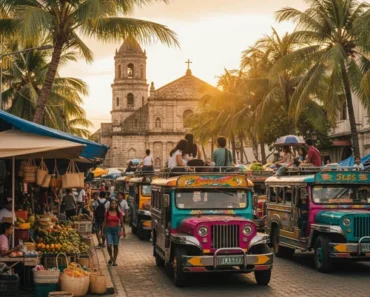
One traveler arrived in Manila expecting chaos. The guidebooks warned about traffic, pollution, and crowds. What she found surprised her. Yes, the streets buzzed with noise. Yes, jeepneys honked and weaved. But she also found locals who smiled at confused tourists. She discovered world-class museums with free admission. She stumbled upon Spanish colonial churches that took her breath away.
Manila asks for patience. In return, it offers authentic experiences that polished tourist destinations cannot match.
What Makes Manila Different From Other Southeast Asian Capitals
Manila blends three centuries of Spanish colonial history with American influence and modern Filipino innovation. The result feels unique. Visitors can walk through 16th-century stone walls in the morning and sip craft cocktails in a sleek rooftop bar by evening.
Unlike Bangkok or Singapore, Manila still feels raw and real. The city does not hide its rough edges. Some travelers find this refreshing. Others need time to adjust. Either way, Manila in the Philippines offers experiences found nowhere else in Southeast Asia.
Understanding Manila: Geography, Climate, and When to Visit
Metro Manila vs Manila City: What You Need to Know
First-time visitors often get confused. “Manila” can mean two things. Manila City is one specific city with historic sites like Intramuros. Metro Manila (also called the National Capital Region) includes 16 cities and one municipality. Over 13 million people call it home.
Most tourist attractions spread across several cities within Metro Manila. Intramuros sits in Manila City proper. Makati and BGC belong to different municipalities but fall under Metro Manila. Understanding this helps when planning transportation and accommodations.
Best Time to Visit Manila (Month-by-Month Breakdown)
Dry Season (November to April) – This is the sweet spot. December through February brings the most comfortable weather. Temperatures stay between 24-31°C (75-88°F). Humidity drops. Outdoor sightseeing becomes enjoyable.
Hot Season (March to May) – Temperatures climb above 35°C (95°F). The heat can feel oppressive. Those who visit during this time should plan indoor activities for midday hours.
Wet Season (June to October) – Rain arrives daily, often in afternoon downpours. July through September brings typhoon risks. Travel during this period requires flexibility and backup plans.
Just like seasonal travel planning matters for European cities, timing a Manila trip makes a significant difference in the overall experience.
What to Pack Based on the Season
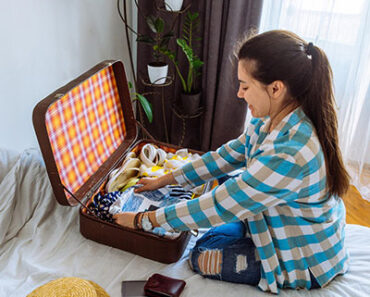
Light, breathable clothing works year-round. A compact umbrella stays useful in any season. Those visiting during dry months still need sunscreen and hats. Comfortable walking shoes matter more than fashion for exploring historic sites.
A comprehensive packing checklist helps ensure nothing gets forgotten. One thing many travelers forget: modest clothing for church visits. Several of Manila’s most beautiful attractions are active places of worship.
Getting to Manila and Getting Around
Ninoy Aquino International Airport: What First-Timers Should Know
NAIA has four separate terminals. This surprises many first-time visitors. Each terminal handles different airlines. Checking the correct terminal before departing prevents stressful last-minute scrambles.
The terminals sit apart from each other. Moving between them requires shuttle buses or taxis. Budget extra time for connections involving terminal changes.
Transportation Options That Actually Work for Tourists
- Grab (Ride-hailing App): The most reliable option for tourists. Prices are set upfront. No negotiating required. Download the app before arriving.
- LRT/MRT (Rail Systems): These elevated trains help avoid traffic. They get extremely crowded during rush hours. They work best for getting between major areas like Makati and Manila City.
- Taxis: Available everywhere. Always insist on the meter. Better yet, use Grab instead.
- Jeepneys: Iconic but confusing. Routes take time to learn. Great for cultural immersion once visitors feel comfortable. Not recommended for first-day navigation.
Traffic in Manila: What to Expect and How to Plan Around It
Manila’s traffic has earned international notoriety. Rush hours (7-9 AM and 5-8 PM) can turn a 20-minute trip into a two-hour ordeal. Smart travelers plan their days around this reality.
Morning activities near the hotel work well. Midday offers the best window for crossing the city. Evening plans should stay close to wherever travelers already find themselves.
Top Attractions in Manila You Should Not Miss
Intramuros: The Historic Walled City
Intramuros means “within the walls” in Latin. Spanish colonizers built this fortified city in the 16th century. Walking its cobblestone streets feels like stepping back in time.
Fort Santiago tells the story of national hero Jose Rizal. San Agustin Church stands as the oldest stone church in the Philippines. UNESCO recognized it as a World Heritage Site. Bamboo bike tours offer a fun way to explore the area without exhausting oneself in the heat.
Rizal Park and the National Museum Complex
Rizal Park (also called Luneta Park) covers 58 hectares in the heart of Manila. The park honors Jose Rizal and provides green space for city dwellers and tourists alike.
The National Museum Complex deserves a full day. Best part? Admission is completely free. The National Museum of Fine Arts houses the famous “Spoliarium” painting. The Natural History Museum features a stunning tree of life installation. These museums rival any in the world.
Modern Manila: Makati and Bonifacio Global City
Makati and BGC show Manila’s contemporary face. Glass towers rise above tree-lined streets. International restaurants, craft coffee shops, and boutique hotels cater to modern tastes.
BGC (Bonifacio Global City) feels almost like a different country. Wide sidewalks invite walking. Street art murals decorate building facades. For travelers seeking a break from sensory overload, these areas offer refuge.
Manila Bay Sunset and the Baywalk Area
Manila Bay sunsets paint the sky in brilliant oranges and pinks. The rehabilitated baywalk area now offers a pleasant space to watch the show. Food vendors and restaurants line the waterfront. Arriving an hour before sunset secures a good viewing spot.
Hidden Gems and Off-the-Beaten-Path Experiences
Every destination has secrets. Finding them requires looking beyond the top-ten lists. Similar to discovering off-the-beaten-path travel opportunities anywhere, Manila rewards curious explorers.
Arroceros Urban Forest Park: Manila’s Last Green Lung
This 2.2-hectare urban forest sits in the middle of the city. Locals call it “The Last Lung of Manila.” The park filters pollution and provides habitat for birds and butterflies. Entry is free. Wooden walkways wind through the trees. It offers a peaceful escape just minutes from busy streets.
Escolta Street: Art Deco Architecture and Artist Communities
Escolta was once Manila’s premier business district. Today, Art Deco buildings from the 1930s still stand. Young artists and entrepreneurs have moved in, opening cafes and galleries. The First United Building hosts weekend markets. The Calvo Building contains a small museum.
Paco Park and San Sebastian Church
Paco Park started as a cemetery in the 1800s. Today, the circular stone walls and garden paths create a romantic atmosphere. Concerts happen on some evenings. Few tourists venture here.
San Sebastian Church surprises every visitor. It is the only all-steel Gothic basilica in Asia. Prefabricated steel parts shipped from Belgium were assembled in Manila. The turquoise spires look almost ethereal against gray urban surroundings.
Food in Manila: What to Eat and Where to Find It
Must-Try Filipino Dishes for First-Timers
- Adobo: Chicken or pork braised in soy sauce and vinegar. Every family has their own recipe.
- Sinigang: Sour soup with pork or shrimp. Tamarind gives it a distinctive tang.
- Lechon: Whole roasted pig with crispy skin. A celebration dish.
- Lumpia: Spring rolls, either fresh (lumpiang sariwa) or fried.
- Halo-halo: Shaved ice dessert with beans, jellies, and leche flan. Perfect for hot afternoons.
Best Food Neighborhoods
Binondo, the world’s oldest Chinatown (founded 1594), offers the best Chinese-Filipino fusion food. Dumplings, noodles, and savory buns fill restaurant windows.
Poblacion in Makati has become the hip dining destination. Craft cocktail bars and modern Filipino restaurants crowd every block. The vibe turns lively after dark.
Street Food Safety and What to Try
Street food culture runs deep in Manila. The golden rule: choose busy stalls with high turnover. Fresh food comes from popular vendors. Kwek-kwek (quail eggs in orange batter) and fish balls on sticks make for adventurous snacking.
Mall food courts offer a safer introduction for cautious eaters. The food stays affordable, and air conditioning provides welcome relief.
Safety in Manila: Practical Tips for Travelers
Is Manila Safe? What the Statistics Actually Show
Manila is generally safe for tourists who take normal precautions. Violent crime against tourists remains rare. Petty theft poses the bigger concern. Pickpockets operate in crowded areas like markets and jeepneys.
Anyone who has reviewed a safety guide for travelers to other cities will recognize familiar advice. Stay aware of surroundings. Do not flash expensive items. Keep valuables secure.
Common Scams to Avoid
Taxi drivers sometimes “forget” to turn on the meter. Always insist or exit. Some drivers claim the meter is broken. It usually is not. Using Grab avoids this hassle entirely.
Overcharging tourists happens at markets. Asking prices at multiple stalls reveals fair rates. Polite bargaining is expected in many settings.
Safe Areas vs Areas to Be Cautious
Tourist-friendly areas include Intramuros, Makati, BGC, and the Mall of Asia area. These neighborhoods have visible security and tourist infrastructure.
Caution makes sense in crowded markets and certain older districts, especially after dark. This does not mean avoiding them entirely. It means staying alert and traveling in groups when possible.
The same solo travel safety tips that apply elsewhere work here. Trust instincts. Let someone know daily plans. Keep copies of important documents.
Practical Information: Money, Language, and Cultural Tips
Currency, ATMs, and Budgeting Your Manila Trip
The Philippine Peso (PHP) is the local currency. Exchange rates fluctuate around 55-58 PHP to 1 USD. ATMs appear in malls, banks, and convenience stores throughout tourist areas.
Cash remains essential for small vendors, jeepneys, and street food. Credit cards work in malls, hotels, and upscale restaurants.
Daily Budget Guide
Budget traveler: PHP 2,000-3,000 ($35-55) covers hostels, local food, and public transport.
Mid-range traveler: PHP 5,000-8,000 ($90-145) allows nice hotels, restaurant meals, and Grab rides.
Luxury traveler: PHP 15,000+ ($270+) opens doors to five-star hotels and fine dining.
Smart budgeting strategies applied before the trip stretch every peso further.
Language: English Proficiency and Basic Tagalog Phrases
English is widely spoken throughout the Philippines. Signs, menus, and public announcements appear in English. This makes Manila one of the most accessible Southeast Asian capitals for English-speaking travelers.
Learning a few Tagalog phrases earns smiles and appreciation:
- Salamat – Thank you
- Magkano? – How much?
- Masarap! – Delicious!
- Oo/Hindi – Yes/No
Cultural Etiquette and Customs to Know
Filipino hospitality runs genuine and warm. Locals often go out of their way to help confused tourists. Returning kindness with smiles and patience goes a long way.
Churches and religious sites require modest dress. Shoulders and knees should be covered. Some churches provide cover-ups at the entrance.
Tipping is not mandatory but appreciated. A 10% tip at restaurants shows gratitude for good service.
Where to Stay in Manila: Best Neighborhoods for Tourists
Intramuros and Ermita: Historic and Budget-Friendly
Staying near Intramuros puts travelers close to major historic sites. Budget hotels and hostels cluster in this area. The trade-off: older infrastructure and mixed neighborhood safety after dark.
Makati: Modern and Upscale
Makati offers the best balance of location and amenities. High-rise hotels overlook shopping malls and restaurants. The central location works for exploring multiple areas. Prices run higher than historic districts.
BGC: Safe, Walkable, and Contemporary
BGC appeals to travelers prioritizing safety and walkability. Streets feel clean and organized. Upscale dining and nightlife options abound. It feels removed from “authentic” Manila, for better or worse.
Proximity to LRT or MRT stations matters when choosing any neighborhood. Easy rail access reduces reliance on traffic-bound vehicles.
Day Trips and Nearby Destinations from Manila
Tagaytay and Taal Volcano (2-3 hours)
Tagaytay sits on a ridge overlooking Taal Volcano. The cooler climate and stunning views make it a popular escape. The famous bulalo (bone marrow soup) tastes even better with mountain air. Day tours run frequently, or adventurous travelers can arrange private transport.
Corregidor Island Historical Tour
History enthusiasts should consider Corregidor Island. This island fortress played a pivotal role in World War II. Ferry tours depart from Manila Bay. The trip includes ruins, tunnels, and a memorial to fallen soldiers.
Beach Escapes: Batangas and Subic Bay
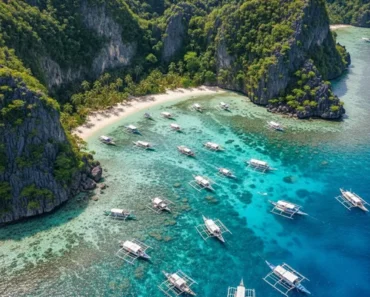
Beaches lie within 2-3 hours of Manila. Batangas offers diving spots and sandy shores. Subic Bay combines beach time with duty-free shopping and eco-adventures.
Those seeking relaxation might explore wellness travel experiences available in the broader Philippines region.
Final Tips for Your Manila Adventure
A few final preparations make everything smoother:
- Download Grab and save Google Maps areas for offline use
- Purchase a local SIM card at the airport (data plans cost just a few dollars)
- Stay hydrated and apply sunscreen liberally
- Build extra time into every schedule (traffic happens)
- Smile often (Filipinos respond warmly to friendly visitors)
Manila in the Philippines may not be a postcard destination. It does not pretend to be. What it offers instead feels more valuable: authentic culture, genuine hospitality, and stories that stay with travelers long after they leave.
The city grows on people. It asks for patience and rewards it with memories. First-time visitors who give Manila a real chance often find themselves planning return trips.
Ready to start planning? Explore more destination guides and travel tips to prepare for the adventure ahead.