Why Gardeners Switch to Natural Fertilizer (And Why It Matters)
There comes a moment in every gardener’s journey when they realize something isn’t quite right. The tomatoes look fine on the surface, but the soil feels dead. The flowers bloom, but fewer bees visit each year. Natural fertilizer for gardens isn’t just a trend. It’s a return to how plants were meant to grow.
Many gardeners discover this truth the hard way. One summer, the vegetable patch that once thrived starts producing smaller yields despite heavier fertilizer applications. The soil becomes compacted and lifeless. That’s when the search for something better begins. Those who embrace natural weed control methods often find themselves drawn to organic fertilization next. It’s all connected.
The Chemical Fertilizer Wake-Up Call
Picture a garden bed that’s been fed synthetic fertilizer for five years. The plants grow, sure. But dig down a few inches and there’s nothing alive in that soil. No earthworms. No visible fungal threads. Just dirt that clumps together like clay after rain and cracks apart during dry spells.
This happens because synthetic fertilizers feed the plant directly but starve the soil. Over time, the beneficial bacteria and fungi that make soil actually alive begin to die off. The soil loses its natural ability to hold water and nutrients. Then gardeners need even more fertilizer to get the same results. It’s a cycle that benefits no one except fertilizer companies.
What Natural Fertilizer Actually Means
Natural fertilizer comes from organic sources. Compost. Animal manure. Worm castings. Bone meal. These materials break down slowly in the soil, releasing nutrients over weeks and months rather than all at once. More importantly, they feed the microscopic life that makes soil healthy.
When gardeners add organic fertilizer to their beds, they’re not just feeding plants. They’re building an ecosystem. Those soil microbes secrete sticky substances that bind soil particles together, creating the crumbly texture that roots love. They also form partnerships with plant roots, helping them absorb nutrients more efficiently.
The Real Benefits of Natural Fertilizer for Your Garden Soil
Switching to natural fertilizer requires patience. The results aren’t instant like dumping a bag of synthetic 10-10-10 on a garden bed. But within one growing season, most gardeners notice something remarkable happening beneath the surface.
Long-Term Soil Health vs Quick Fixes
Think of synthetic fertilizer like fast food for plants. It delivers calories quickly, but there’s no real nutrition. Natural fertilizer works more like a home-cooked meal. It takes longer to prepare and digest, but it builds lasting health.
Compost and other organic amendments improve soil structure in ways synthetic fertilizers simply can’t. Water-holding capacity increases, which means less watering during dry spells. Drainage improves too, preventing waterlogged roots during rainy periods. The soil becomes more resilient to temperature extremes.
Key Soil Health Improvements From Natural Fertilizer
- Better water retention: Organic matter acts like a sponge, holding moisture plants can access
- Improved drainage: The same crumbly texture allows excess water to drain away
- Increased nutrient holding: Soil particles coated with organic material hold onto nutrients better
- More beneficial life: Earthworms, bacteria, and fungi thrive in organically fed soil
Environmental Impact That Actually Matters
When heavy rain falls on a garden fed with synthetic fertilizer, much of that fertilizer washes away. It flows into storm drains, streams, and eventually lakes and oceans. This nutrient pollution causes algae blooms that deplete oxygen and kill aquatic life.
Natural fertilizers release nutrients slowly. Because they’re bound up in organic material, they don’t wash away as easily. The soil microbiome also helps keep nutrients in place. Less runoff means cleaner waterways and a healthier planet.
Cost Savings Over Time
A bag of synthetic fertilizer costs less upfront than quality compost or organic amendments. But here’s what the price tag doesn’t show: every year, gardeners using synthetic fertilizers need to buy more. The soil becomes dependent on outside inputs.
Natural fertilization works differently. Each application builds on the last. Soil improves year after year, eventually needing fewer amendments. Many experienced gardeners find they can maintain healthy beds with just compost and an occasional side dressing. Their “fertilizer budget” drops to nearly zero because they’re making their own.
Best Types of Natural Fertilizer for Gardens
Not all natural fertilizers are equal. Each type offers something different, and the best gardens use a combination based on what their plants actually need.
Compost: The Foundation of Natural Fertilization
If there’s one natural fertilizer every gardener should use, it’s compost. Made from decomposed organic material like food scraps, leaves, and grass clippings, compost is balanced plant food that also improves soil structure.
Compost typically provides gentle, slow-release nutrients in fairly balanced proportions. It won’t burn plants. It won’t over-feed them. Applied as a 2-inch layer on garden beds each spring, compost feeds plants throughout the growing season while continuously improving the soil beneath.
Those building new beds can incorporate compost directly into the soil. For tips on creating the perfect growing environment from scratch, check out this guide on building raised garden beds.
Animal Manures: What Works and What to Avoid
Animal manure has fed gardens for thousands of years. But not all manure is created equal, and some can actually harm plants if used incorrectly.
Cow manure offers balanced nutrients and is gentle enough for most applications. It’s often the safest choice for beginners.
Chicken manure runs very high in nitrogen. Fresh chicken manure will absolutely burn plants. It must be composted for at least six months before use. But once properly aged, it’s excellent for nitrogen-hungry crops like leafy greens and corn.
Horse manure falls somewhere in between. It’s good for nitrogen and potassium but often contains weed seeds if the horses ate hay. Composting helps kill most seeds.
“Fresh manure should never touch plant roots. Always compost first, or apply in fall and let it age over winter before spring planting.”
Worm Castings: Nature’s Perfect Plant Food
If compost is the foundation of natural fertilization, worm castings are the premium upgrade. These are essentially worm droppings, but don’t let that gross anyone out. They’re odorless, crumbly, and packed with nutrients in forms plants can immediately use.
What makes worm castings special is their gentleness. They won’t burn even the most delicate seedlings. They contain beneficial microorganisms that help protect plants from disease. For container gardens and seed starting, nothing beats worm castings mixed into the potting soil.
Bone Meal and Rock Phosphate for Root Development
Not every plant needs the same nutrients. Root crops and flowering plants often benefit from extra phosphorus, which promotes strong root systems and abundant blooms.
Bone meal provides slow-release phosphorus. It’s particularly useful when planting bulbs, establishing new perennials, or encouraging flowers to bloom. For caring for hydrangeas and other heavy bloomers, a spring application of bone meal can make a visible difference.
Rock phosphate works similarly but releases even more slowly. It’s a good choice for building long-term soil phosphorus levels.
Green Manure and Cover Crops
Here’s a fertilization strategy many home gardeners overlook: growing plants specifically to feed the soil. Cover crops like clover, winter rye, and field peas are planted in empty beds, then turned under before they set seed.
Legumes like clover and peas actually pull nitrogen from the air and store it in their roots. When turned under, that nitrogen becomes available to the next crop. It’s like growing your own fertilizer.
DIY Natural Fertilizer Recipes You Can Make at Home
One of the most satisfying aspects of natural gardening is making fertilizer from materials that would otherwise go to waste. These recipes cost almost nothing and work remarkably well.
How to Make Compost Tea (Step-by-Step)
Compost tea is liquid fertilizer brewed from finished compost. It’s like giving plants a nutrient-rich smoothie they can absorb quickly through both roots and leaves.
Simple Compost Tea Recipe
- Fill a bucket with 10 gallons of water (let tap water sit 24 hours to off-gas chlorine)
- Add roughly 1 pound of finished compost per gallon of water
- Stir vigorously twice daily for 5 to 7 days
- Strain through burlap or cheesecloth
- Use within 24 hours for maximum benefit
Apply compost tea as a soil drench or foliar spray every two weeks during the growing season. Plants respond quickly because the nutrients are already dissolved and ready to absorb.
Weed and Grass Clipping Fertilizer Tea
Those weeds pulled from the garden? They’re full of nutrients pulled from the soil. Instead of throwing them away, gardeners can steep them into fertilizer tea.
Fill a bucket halfway with fresh weeds and grass clippings. Cover with water. Let it steep for one to two weeks, stirring occasionally. The liquid will smell terrible, but plants love it. Strain and dilute 1 part tea to 10 parts water before applying.
Avoid using weeds that have gone to seed, or the “fertilizer” might plant itself all over the garden.
Banana Peel and Coffee Ground Fertilizer
Kitchen scraps make surprisingly effective fertilizers. Banana peels are rich in potassium, which plants need for fruit production and disease resistance. Coffee grounds add nitrogen and help lower soil pH slightly.
The simplest approach: bury banana peels directly in the garden, a few inches deep near plants that are flowering or setting fruit. Scatter coffee grounds on the soil surface around acid-loving plants like blueberries and azaleas.
For a more concentrated application, dry banana peels and grind them into powder. Mix into the soil when planting or sprinkle around established plants.
How to Apply Natural Fertilizer Correctly
Even the best natural fertilizer for gardens won’t help if applied incorrectly. Timing, quantity, and technique all matter.
Timing: When to Fertilize for Best Results
The golden rule: fertilize when plants are actively growing and can actually use the nutrients. For most gardens, this means early spring through midsummer.
Avoid fertilizing in late summer and fall. New growth triggered by fertilizer is tender and vulnerable to frost damage. Let plants naturally slow down and harden off for winter.
The exception is fall application of slow-release amendments like compost. Added in autumn, compost has all winter to break down and integrate into the soil. By spring, those nutrients are ready and waiting.
How Much Natural Fertilizer to Use
Because natural fertilizers release slowly, they’re harder to overdo than synthetic options. But more isn’t always better.
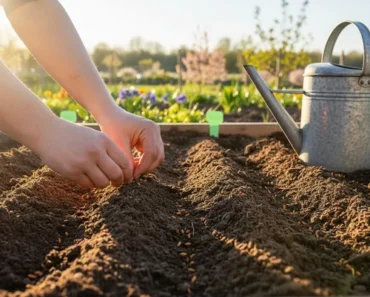
For compost: a 1 to 2-inch layer on garden beds each spring is plenty. This can be thicker for heavy feeders like tomatoes, but most plants thrive with moderate applications.
For liquid fertilizers like compost tea: apply every 2 weeks during active growth. The diluted nature means plants get regular small feedings rather than occasional large doses.
For granular organic fertilizers: follow package directions, but remember that natural fertilizers work slower. Don’t double up if results aren’t immediate.
Common Application Mistakes to Avoid
Even natural fertilizers can cause problems when misused. Here are the mistakes that trip up gardeners most often:
- Fertilizing new transplants immediately: Let roots establish for 2 to 3 weeks first
- Applying during heat waves: Stressed plants can’t process nutrients well
- Forgetting to water: Natural fertilizers need moisture to break down and become available
- Uneven application: Piling fertilizer against stems can cause rot
- Using uncomposted manure: Fresh manure burns plants and may contain pathogens
Natural Fertilizer Recommendations by Plant Type
Different plants have different appetites. Feeding a leafy green the same way as a fruiting tomato wastes nutrients and can actually hurt production.
Best Natural Fertilizer for Vegetables
Vegetables fall into three basic categories based on what part we eat, and each category needs different nutrients.
Leafy greens like lettuce, spinach, and kale need nitrogen above all else. Nitrogen drives leaf production. Compost, well-aged chicken manure, and compost tea work beautifully.
Root vegetables need phosphorus for strong root development. Bone meal worked into the soil at planting helps carrots, beets, and potatoes fill out underground. For more specific guidance, see this article on growing carrots successfully.
Fruiting vegetables like tomatoes, peppers, and squash need a balance of all three major nutrients. They’re heavy feeders that benefit from regular compost applications plus extra potassium as fruits begin forming. For the specifics of fertilizing these demanding crops, this guide to growing healthy tomatoes offers detailed advice.
Feeding Flowering Plants and Perennials
Flowers put tremendous energy into bloom production. Without adequate nutrition, blooms become smaller and fewer.
Most flowering plants benefit from phosphorus-rich fertilizers that encourage bud formation. Bone meal applied in early spring, just as growth resumes, gives perennials a strong start. A light compost top-dressing adds balanced nutrition throughout the season.
Avoid high-nitrogen fertilizers for flowers. Too much nitrogen produces lush leaves at the expense of blooms.
Natural Fertilizer for Fruit Trees and Bushes
Fruit trees and berry bushes are long-term investments that produce for decades when properly fed. Unlike annual vegetables, they don’t need aggressive fertilization.
A ring of compost spread under the drip line each spring provides gentle, balanced nutrition. For trees showing signs of nutrient deficiency, targeted amendments can help. Yellowing leaves often indicate nitrogen shortage. Poor fruit set may mean phosphorus is lacking.
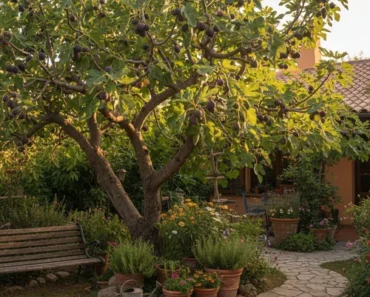
For detailed guidance on specific fruits, this resource on fig tree care and feeding covers the principles that apply to most backyard fruit production.
Common Questions About Natural Garden Fertilizer
Can You Over-Fertilize With Natural Fertilizer?
Yes, but it’s harder to do than with synthetic fertilizers. Because nutrients release slowly, there’s less risk of burning plant roots. However, too much of any fertilizer can still cause problems.
Excess nitrogen from heavy manure applications, for example, leads to lots of leafy growth but few flowers or fruits. The plant puts all its energy into green matter instead of reproduction.
Watch for signs of over-fertilization: dark green leaves that curl, burned leaf edges, or plants that grow tall and leggy without producing. When in doubt, use less.
How Long Does Natural Fertilizer Take to Work?
This is where many gardeners get frustrated. Synthetic fertilizers show results within days. Natural fertilizers work on a different timeline.
Expect to wait 2 to 6 weeks before seeing visible improvement from granular organic fertilizers. The nutrients must first break down through microbial action before plants can access them. Temperature affects this process too, with warmer soil speeding decomposition.
Liquid fertilizers like compost tea work faster because nutrients are already dissolved. Results may appear within a week or two.
The tradeoff is worth it. That slow release means steadier, more consistent nutrition throughout the season rather than feast-and-famine cycles.
Do Natural Fertilizers Smell Bad?
Some do, at least initially. Fresh manure definitely has an odor. Weed tea brewing in a bucket smells downright awful. But once applied and incorporated into soil, these smells dissipate quickly.
Finished compost should smell earthy and pleasant. If it smells bad, it’s not finished decomposing. Worm castings have almost no odor at all.
For gardeners in close quarters with neighbors, odor-free options like compost, worm castings, and commercially processed organic fertilizers work just as well without the nose-wrinkling side effects.
Starting Your Natural Fertilization Journey
Switching to natural fertilizer doesn’t require a complete garden overhaul. Start with one simple change: stop buying synthetic fertilizer and start a compost pile. Within months, that pile becomes free, effective plant food that improves every time it’s applied.
Gardens fed naturally develop their own self-sustaining cycles over time. The soil teems with life. Earthworms appear unbidden. Plants grow stronger and more resistant to pests and disease. Each season builds on the last, creating richer, more productive growing spaces.
The patience required teaches something valuable too. Good gardens, like most worthwhile things, can’t be rushed. They respond to consistent care applied over time. Natural fertilization is simply one part of that patient, rewarding process.
For more ways to build a thriving organic garden, explore our guides on natural weed control methods and building raised garden beds for complete control over your growing environment.