When someone asks about personal hygiene, most people think of basic handwashing and brushing teeth. But here’s the thing – good hygiene habits affect far more than just how we smell. They shape our health, confidence, and even mental well-being in ways many of us never consider.
I learned this lesson the hard way years ago. After a particularly busy month juggling freelance deadlines and family obligations, I let my routines slip. Skipped flossing more nights than I care to admit. Started throwing on yesterday’s shirt “just this once.” Within weeks, I noticed I felt sluggish, my skin looked dull, and honestly? My mood tanked. That experience taught me something competitors’ hygiene checklists never mention: these small daily habits create ripple effects throughout your entire life.
This guide walks through why personal hygiene matters, the essential habits everyone needs, and practical strategies for building routines that actually stick.
Why Personal Hygiene Matters More Than You Think
Personal hygiene goes beyond keeping up appearances. The science behind good hygiene practices reveals just how critical these habits are for disease prevention and overall health.
The Science Behind Good Hygiene
Our bodies encounter millions of germs daily. Without proper hygiene habits, these microorganisms can cause infections, illness, and disease. But with consistent care, we create a protective barrier against most common threats.
Hand hygiene alone prevents up to 50% of avoidable infections. That’s not a small number – it’s half of all infections we could simply wash away. Proper handwashing also reduces diarrhea in children by 42-47%, making it one of the most effective disease prevention tools available.
How Poor Hygiene Affects Your Health (The Statistics)
The numbers paint a sobering picture. Microbial diseases kill over 17 million people worldwide each year. Poor oral hygiene connects to tooth decay, gum disease, and even heart problems. Neglecting body hygiene leads to skin infections, fungal growth, and conditions that require medical treatment.
Eye-Opening Statistic: Only 67% of people actually wash their hands after using a public restroom. That means one in three people skip this basic step entirely.
Beyond infections, poor hygiene creates economic burdens. Medical bills from preventable illnesses add up. Time off work accumulates. What seems like cutting corners on self-care often costs more in the long run.
The Mental Health Connection You Can’t Ignore
Here’s where things get interesting – and where most hygiene guides fall short. Good hygiene boosts self-confidence and mental well-being in ways we’re only beginning to understand.
Think about how you feel after a long, hot shower versus rolling out of bed and rushing through the day. The physical act of caring for yourself sends signals to your brain. It says: “I’m worth the effort. I matter.”
For anyone managing stress and anxiety, hygiene routines provide structure and predictability. When life feels chaotic, these small rituals offer something we can control.
The 7 Essential Personal Hygiene Habits Everyone Needs
Not all hygiene habits carry equal weight. These seven form the foundation of good hygiene practices that protect your health and help you feel your best.
1. Hand Hygiene: Your First Line of Defense
Hands touch everything – doorknobs, phones, faces, food. They’re the primary way germs enter our bodies. Proper hand hygiene isn’t complicated, but most people rush through it.
The 20-Second Rule:
Wet hands, apply soap, scrub all surfaces for 20 seconds (hum “Happy Birthday” twice), rinse thoroughly, and dry completely. This technique removes the germs that quick rinses leave behind.
Key moments for handwashing include after using the bathroom, before eating or preparing food, after touching pets, after coughing or sneezing, and after handling garbage.
2. Oral Care: Beyond Just Fresh Breath
Oral hygiene protects more than your smile. Poor dental care connects to heart disease, diabetes complications, and respiratory infections. The mouth serves as a gateway – keep it clean, and you protect your whole body.
The American Dental Association recommends brushing teeth for two minutes, twice daily, with fluoride toothpaste. Replace your toothbrush every three to four months. And yes – flossing matters. Daily flossing reaches the 40% of tooth surfaces your brush misses.
I’ll admit, flossing was my weakness for years. I’d buy those fancy picks and forget them in the drawer. What finally worked? Keeping them right next to my phone charger. Now I floss while waiting for my screen to light up. Habit stacking changed everything.
3. Body Cleanliness: Finding the Right Balance
Daily bathing keeps skin clean and removes bacteria, sweat, and dead cells. But here’s something many people don’t realize – excessive bathing strips natural oils from skin and scalp. This can cause dryness, irritation, and even increase certain skin problems.
For most people, daily showering works well. Focus on high-bacteria areas: armpits, groin, feet. Use warm (not hot) water and gentle cleansers. Pat skin dry rather than rubbing, especially between toes where moisture breeds fungus.
4. Hair and Scalp Care
How often you wash hair depends on your hair type, activity level, and scalp condition. Oily hair may need daily washing. Dry or textured hair often benefits from less frequent washing with more conditioning.
The key is paying attention to your scalp. Itching, flaking, or buildup signals it’s time to adjust your routine. And don’t forget – styling tools, brushes, and combs need regular cleaning too.
5. Nail Hygiene (Hands and Feet)
Nails harbor bacteria and dirt that handwashing alone doesn’t remove. Regular trimming, cleaning under nails, and keeping cuticles healthy prevents infections and looks professional.
Trim nails straight across to prevent ingrown nails, especially on toes. Dry feet thoroughly after bathing, paying extra attention between toes. Those warm, moist spaces are where fungal infections love to start.
6. Clothing and Bedding
Clean bodies deserve clean clothes. Wearing the same items multiple days allows bacteria, sweat, and oils to build up against your skin. Undergarments and socks need daily changes. Outer layers depend on activity and weather.
Bed linen matters more than most people realize. We spend roughly a third of our lives in bed, shedding skin cells, sweating, and transferring oils onto sheets. Wash bedding weekly in summer and every two weeks otherwise. This simple habit reduces exposure to dust mites and bacteria while you sleep. Speaking of rest, understanding the importance of quality sleep complements good hygiene for overall health.
7. Respiratory Etiquette
Coughs and sneezes spread germs to everyone nearby. Cover with your elbow, not your hands. This simple switch keeps germs off surfaces you’ll touch and protects people around you.
Used tissues go straight in the trash. Wash hands immediately after blowing your nose. During cold and flu season, these habits prevent spreading illness throughout homes and workplaces.
Building Your Personal Hygiene Routine (That Actually Sticks)
Knowing what to do is only half the battle. Actually doing it consistently requires building a daily hygiene routine that fits your life. When you’re building a productive daily routine, hygiene habits form the foundation everything else rests upon.
Morning Hygiene Routine
Mornings set the tone for your day. A solid morning routine includes:
- Face washing: Remove overnight oil and prepare skin for the day
- Teeth brushing: Two minutes with fluoride toothpaste
- Showering: Focus on high-bacteria areas
- Deodorant: Applied to clean, dry underarms
- Clean clothes: Fresh undergarments daily, outerwear as needed
Throughout the Day
Good hygiene doesn’t stop when you leave the house. Maintain habits throughout the day:
- Wash hands: After bathroom visits, before eating, after touching shared surfaces
- Hand sanitizer: When soap and water aren’t available (at least 60% alcohol)
- Freshen breath: Mouthwash or mints after strong-smelling foods
- Quick checks: Hair, teeth, face throughout the day
Evening Wind-Down Routine
Evening routines prepare your body for rest while removing the day’s buildup:
- Face washing: Remove makeup, sunscreen, and daily grime
- Teeth brushing and flossing: Never skip this step
- Shower if needed: Especially after workouts or sweaty days
- Clean sleepwear: Fresh clothes protect clean sheets
Common Personal Hygiene Mistakes (And How to Fix Them)
Even people who consider themselves clean make these common mistakes. I’ve been guilty of several myself.
Mistakes I’ve Made: Years ago, I thought skipping flossing “just this once” was no big deal. Then my dentist showed me exactly what was building up between my teeth. That conversation changed my habits permanently.
Here are the most common hygiene mistakes and their fixes:
- Not flossing daily: Your toothbrush misses 40% of tooth surfaces. Flossing isn’t optional.
- Overwashing or underwashing: Both extremes cause problems. Find your balance based on skin type and activity level.
- Sleeping with makeup on: This clogs pores and irritates eyes. Always cleanse before bed.
- Not closing toilet lid before flushing: Flushing sprays microscopic particles several feet in the air. Close the lid first.
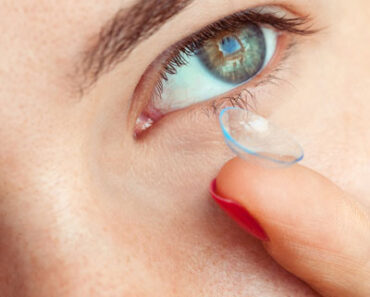
- Overwearing contact lenses: Follow replacement schedules exactly. Eyes need clean lenses to stay healthy.
- Sharing personal items: Toothbrushes, razors, and towels should never be shared. Bacteria transfers easily.
- Ignoring tongue cleaning: Bacteria accumulates on the tongue, causing bad breath. Brush or scrape daily.
- Not drying between toes: Moisture breeds fungus. Dry thoroughly after every shower.
- Wearing same clothes multiple days: Fabrics absorb oils, sweat, and bacteria. Change undergarments daily.
Personal Hygiene for Specific Situations
Different circumstances require adjusted hygiene approaches. Knowing what to do in each situation keeps you protected.
When You’re Sick
Illness demands extra hygiene attention. Wash hands more frequently. Use separate towels from family members. Disinfect commonly touched surfaces. Replace your toothbrush after recovering from illness.
If possible, isolate yourself to prevent spreading germs to others in your household. This isn’t about being dramatic – it’s about protecting people you care about.
During Exercise and Physical Activity
Workouts create sweat, bacteria, and conditions perfect for skin problems. Whether you’re doing home workout routines or hitting the gym, post-exercise hygiene matters.
Shower as soon as possible after sweating. Don’t sit around in damp workout clothes – this breeds bacteria and causes breakouts. Wipe down gym equipment before and after use. Bring your own mat for floor exercises when possible.
In Public Spaces
Public restrooms, transportation, and shared spaces require extra awareness:
- Wash hands thoroughly after using public restrooms
- Use paper towels to touch door handles when leaving
- Carry hand sanitizer for times when soap isn’t available
- Avoid touching your face after contact with public surfaces
The Connection Between Personal Hygiene and Mental Health
This section matters more than most people realize. When depression or anxiety hits, self-care routines often collapse first. Showering feels impossible. Brushing teeth seems pointless. The decline in hygiene then feeds the mental health spiral.
I watched a close friend go through this during a difficult period in her life. She stopped caring for herself, which made her feel worse about herself, which made caring even harder. Breaking that cycle took patience and small steps.
If you’re struggling, start with one small thing. Brush teeth once a day. Wash your face. These tiny wins build momentum. Hygiene routines provide structure when everything else feels chaotic. They offer moments of control when life feels uncontrollable.
Self-care isn’t selfish – it’s necessary. Taking time for personal hygiene sends a message to yourself that you’re worth the effort.
Making Personal Hygiene Accessible and Sustainable
Good hygiene shouldn’t require expensive products or complicated routines. Taking a minimalist approach to daily life applies to hygiene too.
Budget-Friendly Hygiene Solutions
The basics don’t need to break the bank. Essential hygiene requires:
- Soap: Basic bar soap works perfectly for hands and body
- Toothpaste and brush: Store brands work as well as expensive options
- Deodorant: Effective options exist at every price point
- Clean water: The most important ingredient costs almost nothing
Skip the fancy marketed products promising miracles. Basic hygiene with affordable products beats expensive products used inconsistently.
Eco-Friendly Personal Care Options
Sustainable hygiene is increasingly possible. Consider bamboo toothbrushes, bar shampoos and soaps (less plastic packaging), reusable makeup removal cloths, and refillable product containers.
These switches often save money over time while reducing environmental impact. Good hygiene and environmental consciousness can absolutely coexist.
Remember that proper hygiene works alongside other healthy habits. Combining good hygiene practices with proper nutrition and overall health creates a foundation for feeling your best.
Frequently Asked Questions
How often should I really shower?
For most people, daily showering works well. However, some dermatologists suggest every other day is fine for people with dry skin or those who aren’t physically active. Pay attention to your body – activity level, climate, and skin type all influence what’s right for you.
Is hand sanitizer as good as washing hands?
Handwashing with soap and water is more effective and should be your first choice. Hand sanitizer (at least 60% alcohol) works well when soap isn’t available. It doesn’t remove all types of germs and won’t work on visibly dirty hands.
How do I build hygiene habits when I struggle with depression?
Start impossibly small. One task. One minute. Brush teeth while sitting down if standing feels like too much. Use dry shampoo when a full shower feels overwhelming. Progress happens through tiny, consistent steps – not perfect routines.
Building Habits That Protect Your Health
Personal hygiene isn’t about perfection. It’s about consistent habits that protect your health, boost your confidence, and help you feel like yourself.
Start where you are. Pick one habit from this guide to improve this week. Once that feels automatic, add another. Small changes compound into significant results over time.
Your daily routine shapes your health, energy, and confidence. Taking care of the basics – the simple habits we’ve discussed – creates ripple effects throughout your entire life. You’re worth the effort these routines require.
For more on creating routines that support your wellbeing, explore our guides on building a productive daily routine and simplifying your daily life.