The question of spirituality vs religion came up at a family dinner not too long ago. An aunt leaned across the table, fork mid-air, and asked with genuine confusion: “But if you meditate, does that mean you’re not Christian anymore?” The table went quiet. Everyone waited for an answer to a question nobody quite knew how to ask.
It was a fair question. Many people wrestle with this very thing. Where does religion end and spirituality begin? Are they opposites, or can they coexist? The answer, as it turns out, reveals something profound about how humans search for meaning. And understanding the difference between spirituality and religion might just change how someone approaches their own inner life.
What’s the Real Difference Between Spirituality and Religion?
The Simple Answer (That Gets Complicated Fast)
At its core, the distinction sounds straightforward. Religion typically involves organized institutions, established doctrines, and shared rituals. Spirituality tends to be more personal, focusing on individual experience and inner connection. Think of religion as working from the outside in, while spirituality works from the inside out.
But here’s where it gets interesting. Psychology experts describe religion as “directed toward the pursuit of a wider set of destinations or significant goals,” while spirituality zeros in on “the search for one particular significant destination: the sacred.” Both paths lead somewhere meaningful. They just take different routes.
Why This Question Matters More Than Ever
The numbers tell a fascinating story. According to Pew Research, roughly 70% of American adults describe themselves as spiritual. But here’s the twist that surprises most people: 48% identify as both religious and spiritual. Only 18% call themselves “spiritual but not religious.” The supposed divide between these two concepts? It’s often more of a bridge than a wall.
Understanding where someone falls on this spectrum isn’t just philosophical navel-gazing. It shapes how they find community, cope with hardship, mark life’s milestones, and make sense of existence itself. Getting clear on the difference between spirituality and religion helps people chart their own authentic path forward.
Defining Religion: Structure, Tradition, and Community
What Makes Something a Religion?
Religion comes with built-in scaffolding. There are buildings to gather in, calendars marking holy days, clergy who guide the faithful, and centuries of tradition passed down through generations. Christianity, Islam, Judaism, Hinduism, Buddhism—each major world religion offers a framework already constructed. Followers step into something larger than themselves.
This structure provides something powerful: belonging. Walking into a church, mosque, temple, or synagogue means joining a living tradition. The prayers have been spoken before. The songs have been sung by ancestors. The rituals connect worshippers to something ancient and enduring.
The Role of Sacred Texts and Authority
Religious traditions center on authoritative texts—the Bible, Quran, Torah, Bhagavad Gita, and others. These aren’t just books. They’re considered sacred revelations, containing truths that guide belief and behavior. Interpretation might vary, but the texts themselves hold weight.
Religious authority also includes human leadership. Priests, imams, rabbis, monks—these figures help translate ancient wisdom for modern life. They perform rituals, offer counsel, and maintain the boundaries of what the faith community believes. For many, this external guidance brings comfort and clarity.
How Community Shapes Religious Experience
Religion builds community in ways that are hard to replicate elsewhere. Weekly gatherings create rhythm and routine. Shared rituals—baptisms, weddings, funerals—mark life’s passages together. Potlucks and prayer groups weave social connections that support people through ordinary days and crisis moments alike.
This communal aspect strengthens family bonding and shared values across generations. Grandparents and grandchildren might disagree about music or politics, but they can kneel side by side, reciting the same prayers their family has spoken for centuries. That’s powerful glue.
Quick Takeaway
Religion provides: External structure, shared authority, sacred texts, community rituals, and generational continuity. It answers the question “What should I believe?” through established tradition.
Defining Spirituality: Personal Journey and Inner Connection
What Does It Mean to Be Spiritual?
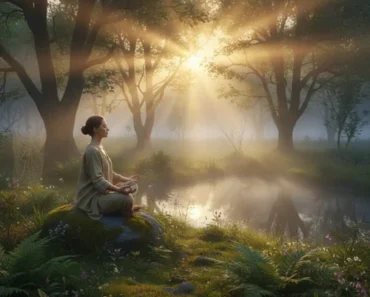
If religion is a cathedral, spirituality is a quiet walk in the woods. Psychology Today describes it as “a very personal and individual journey into the inner terrain of one’s own soul.” There’s no membership card, no building to enter, no creed to recite. Spirituality happens wherever someone finds connection to something greater.
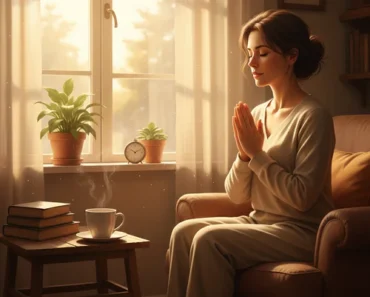
This might look like meditation at sunrise. Journaling by candlelight. A deep conversation that shifts perspective. Feeling awe while watching waves crash against rocks. Spiritual experiences can happen anywhere, anytime, sparked by almost anything. The common thread is a felt sense of connection—to the universe, to the divine, to the deepest self, or to the web of all living things.
The Rise of ‘Spiritual But Not Religious’
That phrase—”spiritual but not religious”—has become a cultural phenomenon. Around 4 in 10 Americans have actually become more spiritual over time, while fewer have become more religious. Something is shifting.
Why the change? For some, organized religion felt too rigid, too political, or too bound by rules that didn’t resonate personally. For others, spirituality offers the freedom to draw from multiple traditions—a bit of Buddhist mindfulness here, some Christian mysticism there, perhaps some Indigenous wisdom woven through. Personal spirituality creates space for seekers to customize their path.
Individual Paths to the Sacred
Spiritual practices vary wildly from person to person. Some keep gratitude journals. Others practice yoga or tai chi. Many incorporate daily routine for personal growth that includes meditation, prayer, or contemplation. Some pursue wellness travel experiences like spiritual retreats to deepen their connection.
The common element isn’t the practice itself—it’s the intention behind it. Spiritual seekers want direct experience, not secondhand doctrine. They trust their inner compass to guide them toward what feels sacred and true.
7 Key Differences Between Spirituality and Religion
While spirituality and religion share common ground, distinct differences set them apart. Understanding these can help anyone clarify their own beliefs and practices.
1. Authority: External vs Internal Guidance
Religion looks outward for authority. Sacred texts, religious leaders, and doctrinal traditions provide answers. Spirituality looks inward. The individual becomes their own authority, trusting personal experience and inner wisdom to reveal truth. Neither approach is better—they simply start from different places.
2. Structure: Organized vs Personal Practice
Religious practice follows established patterns. Services happen at set times. Holidays fall on specific dates. Prayers follow prescribed forms. Spiritual practice bends to the individual’s needs. Someone might meditate daily for months, then switch to nature walks, then return to journaling. Flexibility reigns.
3. Beliefs: Prescribed vs Self-Determined
Joining a religion means accepting a set of beliefs—about God, the afterlife, morality, and purpose. These beliefs come pre-packaged through centuries of theological development. Spirituality allows beliefs to evolve organically. Spiritual seekers might hold beliefs that blend traditions, change over time, or defy easy categorization.
4. Community: Institutional vs Flexible
Religious communities are built-in. Join a church, mosque, or temple, and community comes with the territory. Spiritual community forms differently—through yoga studios, meditation groups, online forums, or informal gatherings of like-minded seekers. It exists, but it’s less institutionalized.
5. Texts: Sacred Scriptures vs Multiple Sources
Religion centers on specific sacred texts considered divinely inspired or authoritative. Spirituality draws from wherever resonance is found—ancient scriptures, poetry, philosophy, scientific discoveries, or personal revelation. A spiritual seeker’s “sacred text” might include Rumi, Mary Oliver, and a TED talk, all equally valued.
6. Goals: Salvation/Duty vs Personal Connection
Many religions emphasize ultimate goals like salvation, enlightenment, or fulfilling divine duty. These goals extend beyond individual experience to cosmic scales. Spirituality often focuses on present-moment connection—peace, meaning, love, and alignment felt right now, in this lifetime.
7. Practice: Rituals vs Individualized Methods
Religious rituals are communal and prescribed. Baptism, communion, Ramadan fasting, Shabbat observance—these practices tie believers to tradition and each other. Spiritual practices are customized. What works for one person might not work for another, and that’s perfectly fine.
Important Note
These differences exist on a spectrum, not in separate boxes. Many religious people have deeply spiritual experiences within their tradition. Many spiritual seekers incorporate religious elements. The categories help with understanding, but real life resists neat divisions.
The Similarities: What Spirituality and Religion Share
Despite their differences, spirituality and religion share essential common ground. Both address the deepest questions of human existence.
The Search for Meaning and Purpose
Why are people here? What happens after death? How should one live? Both spiritual seekers and religious adherents grapple with these questions. They seek frameworks that make sense of suffering, celebrate joy, and give life coherent meaning. The search itself unites them.
Connection to Something Greater
Whether calling it God, the Universe, Higher Power, Source, or simply the Sacred, both paths reach toward transcendence. There’s a shared recognition that individual existence connects to something larger—something that gives life depth and significance beyond daily concerns.
Research consistently shows that both spirituality and religiousness support health and wellness. Studies link them to lower hospitalization rates, reduced pain, greater survival rates, and better cardiovascular outcomes. The connection to something greater seems to genuinely nourish body and soul.
Moral and Ethical Frameworks
Both religion and spirituality provide guidance for ethical living. Religious traditions codify moral laws and virtues. Spiritual paths often emphasize compassion, authenticity, and harm reduction. Different routes, similar destinations—both care about how humans treat each other and the world.
Can You Be Both Spiritual and Religious?
The Statistics Might Surprise You
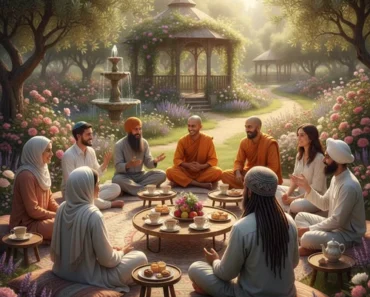
Here’s where the false dichotomy crumbles. Remember that Pew Research finding? 48% of Americans identify as both religious and spiritual—the largest single group. Only 31% are neither. The supposed war between spirituality and religion? Most people never enlisted.
It’s like asking whether someone prefers hiking or being outdoors. One can exist within the other. Many find that religious practice feeds their spiritual life, while spiritual sensitivity deepens their religious experience. They’re not competing. They’re complementing.
What Being ‘Religious and Spiritual’ Actually Looks Like
Picture someone who attends weekly church services, finds deep meaning in ancient liturgy, and also maintains a personal meditation practice. They value both the community ritual and the solitary connection. The Sunday service feeds one hunger; the morning meditation feeds another. Both feel essential.
Or consider someone raised Jewish who observes holidays and traditions while also exploring Buddhist mindfulness techniques. Their Jewish identity and spiritual curiosity don’t conflict—they enrich each other. Heritage and exploration dance together.
When Religion Facilitates Spirituality
Here’s a perspective worth considering: religion can serve as a vehicle for spirituality rather than a replacement for it. The rituals, texts, and community practices aren’t meant to be ends in themselves. They’re meant to facilitate direct encounter with the sacred.
A communion service can be merely ritual, or it can be a profound spiritual experience. A Zen meditation practice can be mechanical routine, or it can open into deep awakening. The tradition provides the container; the individual brings the spirit.
Which Path Is Right for You? Questions to Consider
Reflecting on Your Personal Needs
Neither path is universally “better.” The right approach depends on individual needs, temperament, and life circumstances. Some questions worth sitting with:
- Do you value structure or flexibility? Those who thrive with clear guidelines might find religion comforting. Those who prefer to forge their own way might lean spiritual.
- How important is community? If belonging to a consistent group matters deeply, religious communities offer that built-in. If solitary practice feels more authentic, spirituality might fit better.
- What’s your relationship with authority? Some find wisdom in trusting traditions and leaders who’ve walked the path before. Others need to verify everything through personal experience.
- Do you prefer ancient tradition or eclectic exploration? Religion offers depth within a single tradition. Spirituality allows breadth across many.
The Benefits and Drawbacks of Each Approach
Honesty requires acknowledging that both paths carry potential shadows.
Religion’s strengths: Community, tradition, structure, tested wisdom, shared rituals, and clear guidance. These provide stability and belonging.
Religion’s risks: Fundamentalism—treating ancient texts as rigid, literal truth—can lead to closed-mindedness or harm. Institutional abuse, hypocrisy, and exclusion have hurt countless people. These shadows are real.
Spirituality’s strengths: Autonomy, flexibility, personal meaning, direct experience, and freedom to evolve. These provide authenticity and exploration.
Spirituality’s risks: Without community or tradition, spirituality can drift into self-centeredness. Picking and choosing from various traditions without depth in any can become superficial. Spiritual bypassing—using spiritual ideas to avoid dealing with real problems—is a genuine danger.
The wisest seekers acknowledge these shadows on both paths and stay humble about their own blind spots.
Moving Forward: Finding Your Own Authentic Path
The conversation between spirituality and religion doesn’t need a winner. Perhaps the most important insight is this: what matters most is authenticity. Whatever path someone walks—religious, spiritual, both, or still seeking—the journey works best when it’s honest.
Some people find God in a cathedral, in the music of a choir, in bread and wine transformed by centuries of belief. Others find the sacred in a sunrise, in the space between thoughts during meditation, in the profound connection of deep conversation. Many find it in both places, refusing to choose between them.
The question isn’t really “spirituality vs religion?” The better question might be: “What actually connects me to something greater than myself? What helps me become more loving, more awake, more fully human? What path rings true?”
Those questions have no wrong answers—only honest ones. And honestly answering them might be the most spiritual, most religious act of all.
Your Next Step
Wherever you land on the spectrum of spirituality and religion, the journey continues. Explore more about creating meaningful daily practices in our guide to building a daily routine for personal growth, or discover how shared beliefs strengthen relationships through family bonding activities. The path forward is yours to walk.