Why Proper Tomato Care and Pruning Matter (And How One Gardener Nearly Ruined Her First Harvest)
The backyard vegetable garden had been thriving all summer. The tomato plants stood tall, thick with foliage, promising dozens of bright red beauties. Then came the pruning shears – and everything changed. Tomato plants care pruning might sound simple, but one wrong cut can turn a bumper crop into a disappointment.
This story plays out in gardens across the country every growing season. Understanding the right way to care for and prune tomato plants makes the difference between a handful of tomatoes and buckets full of them.
My First Tomato Pruning Disaster
A few years back, an eager first-time gardener got a little too enthusiastic with her pruning shears. She had read that tomato plants needed pruning. What she didn’t know? Her Roma and cherry tomatoes were determinate varieties – the kind that should never be pruned at all.
She snipped away half the branches. The plants looked neat and tidy. But when harvest time came, those neat little bushes produced maybe a third of what they should have. The lesson was painful but unforgettable: know your tomato type before picking up those pruners.
The Real Benefits: Bigger Yields and Healthier Plants
When done correctly, pruning indeterminate tomato plants offers real advantages:
- Better airflow: Fewer leaves mean air moves through the plant, keeping foliage dry and reducing disease
- More energy for fruit: The plant stops wasting resources on extra leaves and focuses on growing tomatoes
- Earlier ripening: Fruits mature faster when they’re not competing with unnecessary growth
- Easier harvesting: A well-pruned plant is easier to navigate and pick from
The same basic plant care principles that apply to houseplants work here too – give plants what they need, remove what holds them back.
Understanding Tomato Plant Types: Determinate vs. Indeterminate
This is where most gardeners go wrong. Not all tomato plants are the same, and pruning the wrong type is the quickest way to ruin a harvest.
Determinate Tomatoes (Bush Varieties)
Determinate tomatoes grow like compact bushes. They reach about 3-4 feet tall, set all their fruit within a few weeks, then they’re done for the season. Common examples include Roma, San Marzano, and many container varieties.
Indeterminate Tomatoes (Vining Varieties)
Indeterminate varieties are the sprawling giants of the tomato world. Left alone, these vines grow 10-12 feet tall and keep producing until frost kills them. Beefsteak, Cherokee Purple, and most cherry tomatoes fall into this category.
These are the tomato plants that need regular pruning to stay productive and manageable.
How to Tell Which Type You Have
Check the seed packet or plant tag first. If that’s not available, watch how the plant grows:
- Determinate: Stays bushy, stops getting taller after flowering, fruit ripens around the same time
- Indeterminate: Keeps climbing, produces flower clusters along the main stem continuously, tomatoes ripen over weeks or months
Essential Tomato Plant Care Basics
Pruning is just one piece of the puzzle. Even perfectly pruned plants won’t thrive without proper care. Think of it like growing fruit-bearing plants – the basics have to be solid before advanced techniques matter.
Watering Schedule and Techniques
Tomatoes are thirsty plants. They’re about 90% water, and inadequate hydration leads to fewer flowers, smaller fruit, and problems like blossom end rot.
- Container tomatoes: Up to 1 gallon daily when mature
- Garden beds: 1-1.5 inches per week
- Water at soil level, not on leaves
- Morning watering is best
The most critical watering periods are during flowering and fruit set. Skip watering during these stages, and flower drop or small fruit will follow.
Drip irrigation or soaker hoses work better than overhead sprinklers. Wet leaves invite disease. Dry leaves stay healthy.
Feeding and Fertilization Timeline
Tomatoes are heavy feeders, but timing matters. Too much nitrogen early means lots of leaves and few tomatoes. Too little during fruiting means small, disappointing harvests.
A good approach:
- Apply 40-50% of seasonal nitrogen at planting time
- Feed with balanced fertilizer until flowering begins
- Switch to phosphorus and potassium-heavy fertilizer during fruiting
Soil Requirements and pH Levels
Tomatoes prefer slightly acidic soil with a pH between 6.0 and 6.8. Outside this range, plants struggle to absorb nutrients no matter how much fertilizer gets added.
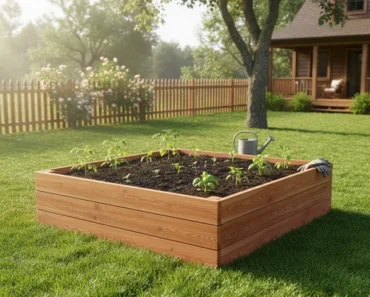
For those starting fresh, building raised garden beds gives complete control over soil quality. Fill them with a mix of compost, aged manure, and good garden soil for happy tomato plants.
How to Prune Indeterminate Tomato Plants (Step-by-Step)
Now for the hands-on part. This section covers exactly how to prune indeterminate varieties for bigger, healthier harvests.
When to Start Pruning
Begin pruning when plants reach 6-12 inches tall. At this stage, the main stem is established, and suckers are just starting to appear. Starting early makes the job easier and less stressful for the plant.
Continue pruning every 10-14 days throughout the growing season. Regular maintenance takes just a few minutes per plant once the routine is established.
Identifying and Removing Suckers
Suckers are the small shoots that grow in the “V” where leaf stems meet the main stem. They’re trying to become new branches, but most of them will just drain energy without adding much production.
Here’s the process:
- Find the first flower cluster on the plant
- Remove all suckers below that first cluster
- Above the first cluster, remove some suckers but leave a few to become fruit-bearing branches
- Small suckers (under 2 inches) can be pinched off with fingers
- Larger suckers need clean cuts with pruners
The Missouri Pruning Method
This technique offers a middle ground between removing suckers completely and letting them grow wild. Instead of removing the entire sucker, pinch off just the tip and growing point. Leave the two base leaflets attached.
Why bother? Those remaining leaflets provide shade for developing fruit, preventing sunscald while still limiting excess growth. It’s a smart compromise for hot climates.
Removing Lower Leaves for Airflow
As plants grow, progressively remove leaves from the bottom third of the plant. These lower leaves are shaded anyway, and removing them:
- Improves air circulation
- Reduces splash-up of soil-borne diseases
- Makes watering at soil level easier
Don’t remove them all at once. Take off a few each week to avoid stressing the plant.
Topping Plants Before First Frost
About 4 weeks before the expected first frost, cut off the growing tips of all main stems. This tells the plant to stop producing new growth and focus all remaining energy on ripening existing fruit.
This technique, called “topping,” can be the difference between green tomatoes caught by frost and ripe ones ready for the table.
9 Common Tomato Pruning Mistakes to Avoid
Years of gardening teaches hard lessons. Here are the mistakes to skip:
Pruning Determinate Varieties
This bears repeating: determinate tomatoes should never be pruned. Every branch removed is potential fruit lost forever. Check plant types before touching the pruners.
Pruning When Plants Are Wet
Wet foliage plus open cuts equals disease invitation. Bacteria and fungi spread easily through moisture. Always wait until plants are completely dry before pruning – ideally on a sunny afternoon.
Not Cleaning Your Tools
Pruning tools can spread disease from plant to plant. A simple solution: wipe blades with rubbing alcohol for at least 30 seconds between plants. Keep a small spray bottle of alcohol in the garden tool kit.
Over-Pruning and Sun Scald
Enthusiasm is good. Over-pruning is not. Removing more than one-third of the plant’s foliage at once causes serious stress. The fruit also needs some leaf cover – exposed tomatoes develop white, papery patches from sunburn.
Removing All Suckers
Some gardeners get carried away and remove every sucker they see. But suckers above the first flower cluster can become productive branches. A plant with 2-3 main stems often produces more than one pruned to a single stem.
Additional Mistakes Worth Mentioning
- Pruning during the hottest part of day: Stress on stress equals unhappy plants
- Confusing suckers with productive branches: Look carefully before cutting
- Skipping end-of-season topping: Missing out on ripe tomatoes before frost
- Leaving trimmings on the ground: Remove all cut material to prevent disease spread
Keeping the garden bed clean is part of overall maintenance, much like using natural weed control methods to keep beds tidy.
Best Practices for Healthy Tomato Plants
Beyond specific pruning techniques, these habits keep tomato plants thriving all season long.
Using Clean, Sharp Tools
Dull tools crush stems instead of cutting them cleanly. Crushed tissue heals slowly and invites infection. Keep pruning shears sharp and clean. A quick sharpen at the start of the season makes a noticeable difference.
Timing Your Pruning Sessions
Early morning after dew has dried or late afternoon work best. Avoid the midday heat. Plants recover faster when temperatures are moderate.
Establish a routine – every 10-14 days is ideal for most indeterminate varieties. Mark it on the calendar.
Supporting Your Plants Properly
Pruned indeterminate plants need sturdy support. Options include:
- Cages: Easy but can be too small for vigorous varieties
- Stakes: Simple and effective, requires regular tying
- Trellises: Great for rows, maximizes space
Install supports at planting time, not after plants have grown. Root disturbance later in the season sets plants back.
Monitoring for Disease and Pests
While pruning, take time to inspect plants closely. Look for:
- Yellow or spotted leaves (possible blight or fungal issues)
- Aphids or hornworms
- Wilting despite adequate water (could indicate root problems)
Early detection makes treatment easier and more effective.
Maximizing Your Tomato Harvest
All these techniques come together for one goal: more delicious tomatoes.
Combining Pruning with Proper Care
Pruning alone won’t create an abundant harvest. It works best when combined with consistent watering, proper feeding, and good soil. Think of pruning as the finishing touch on a foundation of solid care.
The approach isn’t so different from ornamental plant care – the basics always come first, with specialized techniques layered on top.
What to Expect: Yield Improvements
Properly pruned indeterminate plants typically produce:
- Larger individual fruits
- Earlier ripening (often 1-2 weeks sooner)
- Cleaner, disease-free harvests
- More consistent production throughout the season
Don’t expect miracles overnight. The first pruned season might show modest improvements. By year two or three, with refined technique, the difference becomes dramatic.
Troubleshooting Common Problems
- Blossom end rot: Inconsistent watering causes this. Even out the watering schedule.
- Cracking: Irregular water again. Deep, consistent watering prevents it.
- Sunscald: Too much pruning removed protective leaves. Use Missouri method next time.
- Few flowers: Too much nitrogen. Switch to lower-nitrogen fertilizer.
Growing Better Tomatoes Starts Here
Tomato plants care and pruning doesn’t have to be complicated. Know the plant type, prune indeterminate varieties regularly, and combine pruning with solid watering and feeding practices. The reward is a harvest that makes all the effort worthwhile.
Every gardener starts somewhere. That first pruning disaster? It led to years of bumper harvests and lessons worth sharing. The tomatoes don’t have to be perfect. They just have to be homegrown.
For more gardening guidance, explore our articles on building raised garden beds for your vegetable garden or learn about growing fruit-bearing plants to expand your edible garden. Happy growing!