Sandra stumbled across the power of turmeric face scrub quite by accident. She had been battling stubborn redness for months, trying every product on the pharmacy shelf. Nothing worked. Then her grandmother mentioned something about the golden spice sitting in her kitchen cabinet. That conversation changed everything.
The journey into natural skincare often begins with a single ingredient. For many people exploring health and wellness through simpler routines, turmeric has become a game-changer. This ancient spice does more than flavor curry. It transforms tired, dull skin into something radiant.
This guide walks through everything needed to make and use a turmeric face scrub safely at home. From the science behind why it works to step-by-step instructions and skin-type variations, readers will find practical answers here.
Why Turmeric Works for Your Skin (The Science Behind the Glow)
The magic ingredient hiding inside turmeric is called curcumin. This bright yellow compound gives turmeric its signature color and most of its skin benefits. Scientists have spent years studying how curcumin interacts with human skin, and the findings are remarkable.
Anti-Inflammatory Properties That Calm Redness
Inflammation is the root cause of many skin problems. Redness, puffiness, and irritation all trace back to inflammatory responses. Research published in medical journals shows that curcumin works by blocking certain pathways in the body that trigger inflammation.
Specifically, curcumin inhibits something called the NF-κB pathway. This pathway controls the production of inflammatory markers like IL-1β, IL-6, and TNF. When curcumin blocks these signals, the skin calms down. Redness fades. Irritation settles.
Curcumin’s Role in Fighting Acne
Acne forms when bacteria called P. acnes multiply on the skin. These bacteria trigger inflammation and lead to those painful, red bumps nobody wants. Here’s where turmeric shines: curcumin has antimicrobial properties that fight P. acnes bacteria directly.
Even more impressive, studies show curcumin works against antibiotic-resistant strains of acne bacteria. It also reduces sebaceous gland activity, which means less oil production and fewer clogged pores.
Antioxidant Benefits for Skin Brightening
Free radicals damage skin cells and contribute to dullness, dark spots, and premature aging. Curcumin acts as a powerful antioxidant, neutralizing these harmful molecules before they cause damage.
Clinical research involving ten separate studies found statistically significant improvements in various skin conditions when turmeric was used topically. Participants saw brighter, more even-toned skin over time.
Benefits of Using a Turmeric Face Scrub
A homemade turmeric scrub offers multiple benefits that synthetic products struggle to match. The combination of physical exfoliation and curcumin’s healing properties creates a powerful treatment.
- Exfoliates dead skin cells: Sugar or oat particles gently buff away buildup, revealing smoother texture underneath
- Reduces acne and prevents breakouts: Antimicrobial curcumin fights acne-causing bacteria while exfoliation clears pores
- Brightens complexion: Antioxidants combat dullness and even out skin tone over consistent use
- Calms inflammation and redness: Anti-inflammatory compounds soothe irritated skin naturally
- Provides a natural alternative: No harsh chemicals, parabens, or synthetic fragrances to worry about
This DIY turmeric scrub works similarly to a facial sugar scrub but adds the powerful anti-inflammatory benefits of curcumin. The result is exfoliation plus treatment in one simple step.
How to Make a Turmeric Face Scrub: The Basic Recipe
Sandra remembers her first attempt at mixing this scrub. The kitchen counter looked like a spice explosion, and she definitely used too much turmeric. But after refining the process over months of trial and error, she found the perfect ratios.
Ingredients You’ll Need
Basic Turmeric Face Scrub Recipe:
- 2 tablespoons turmeric powder (pure, not cooking blends)
- 2 tablespoons white or brown sugar
- 2 tablespoons plain yogurt
- 1 tablespoon raw honey
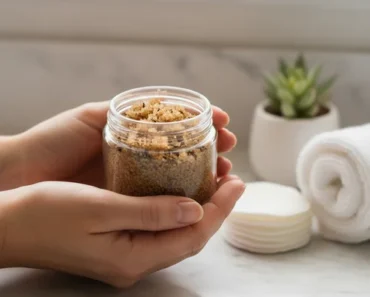
These four ingredients combine to create an effective, gentle scrub. The turmeric provides active compounds. Sugar handles physical exfoliation. Yogurt adds lactic acid for chemical exfoliation plus hydration. Honey brings antibacterial properties and moisture.
Step-by-Step Instructions
- Add turmeric powder to a small, non-porous bowl (glass or ceramic works best to prevent staining)
- Mix in the sugar and stir until evenly combined
- Add yogurt and honey, stirring until a thick paste forms
- Adjust consistency as needed: add more yogurt if too thick, more sugar if too runny
- Transfer to an airtight container if not using immediately
The entire process takes about five minutes. Fresh batches work best, but leftovers can be stored in the refrigerator for up to one week.
Variations for Different Skin Types
Not every skin type responds the same way to the basic recipe. These modifications help customize the scrub for specific needs.
For Oily Skin: Add 1 teaspoon of bentonite clay or kaolin clay. Clay absorbs excess oil and helps control shine.
For Dry Skin: Replace yogurt with 1 tablespoon of coconut oil or olive oil. Skip the sugar if skin feels too dry and use the mixture as a mask instead.
For Sensitive Skin: Swap sugar for finely ground oats. Oats provide gentler exfoliation and contain anti-inflammatory compounds that complement turmeric beautifully.
How to Use Your Turmeric Face Scrub Safely
Making the scrub is only half the process. Proper application technique matters just as much as the recipe itself. Following these steps helps maximize benefits while minimizing any potential issues.
Patch Test First (Always!)
This step is non-negotiable. Even natural ingredients can cause reactions in some people. Turmeric belongs to the same plant family as ginger, and anyone with ginger sensitivities should be especially careful.
Apply a small amount of the scrub to the inside of the wrist or behind the ear. Wait 24 hours. Watch for redness, itching, burning, or hives. If any reaction occurs, do not use the scrub on the face.
Application Technique
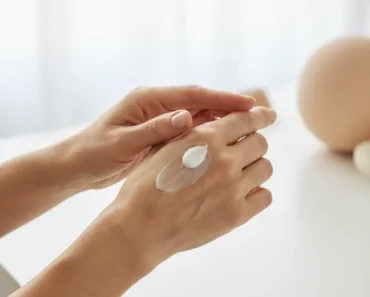
Start with clean, dry skin. Wet skin dilutes the scrub and makes it less effective. Take a small amount (about the size of a quarter) and apply it to the face using gentle circular motions.
Focus on areas that need the most attention: the forehead, nose, and chin. Avoid the delicate eye area entirely. The skin around the eyes is too thin and sensitive for any scrub.
How Long to Leave It On
Five to ten minutes is the sweet spot. Any longer increases the risk of staining without adding extra benefits. Set a timer as a reminder.
During this time, the curcumin penetrates the skin while the other ingredients work their magic. Some people feel a slight tingling sensation, which is normal. Burning or intense discomfort is not normal and means the scrub should be removed immediately.
Rinsing and Aftercare
Rinse thoroughly with lukewarm water. Cold water closes pores before the scrub fully rinses away, while hot water can irritate freshly exfoliated skin. Pat dry with a clean towel rather than rubbing.
Follow up immediately with an organic moisturizer to lock in hydration. Freshly exfoliated skin absorbs products better, making this the perfect time for moisturizing. Alternatively, apply a favorite natural face lotion for similar benefits.
Limit use to one or two times per week. Over-exfoliating damages the skin barrier and causes more problems than it solves.
Side Effects and Precautions You Should Know
Turmeric is generally safe for most people, but it comes with some quirks worth understanding. Awareness prevents unpleasant surprises.
The Staining Issue (And How to Avoid It)
Yes, turmeric can temporarily stain skin yellow. This is the most common concern people have, and it’s completely valid. However, the staining is never permanent.
Most staining fades within 12 to 24 hours with normal cleansing. Within 48 hours, it’s completely gone. Several strategies minimize staining from the start:
- Use smaller amounts of turmeric (start with 1 teaspoon instead of 2 tablespoons)
- Don’t leave the scrub on for more than 10 minutes
- Rinse very thoroughly, spending extra time on stained areas
- Apply at night so any lingering tint fades while sleeping
- Consider kasturi turmeric, which stains significantly less than regular turmeric
Allergic Reactions and Sensitivity
Some people experience allergic reactions to turmeric, especially those with sensitivities to plants in the Zingiberaceae family (which includes ginger). Symptoms include itching, redness, swelling, or hives.
Contact dermatitis can also occur, appearing as red, itchy patches at the application site. If any reaction develops, discontinue use immediately and wash the affected area thoroughly.
Turmeric may also cause photosensitivity, making skin more vulnerable to sun damage. Always apply sunscreen before going outside after using a turmeric treatment.
Who Should Avoid Turmeric Face Scrubs
Certain people should skip turmeric scrubs entirely:
- Anyone allergic to turmeric in food
- People with known ginger allergies
- Those with very sensitive or compromised skin barriers
- Anyone currently using strong prescription acne treatments or retinoids
Also, never combine turmeric scrubs with acidic ingredients like lemon juice or vinegar. This combination can irritate and damage skin.
Tips for Best Results
Getting the most from a homemade turmeric face scrub requires more than just mixing ingredients. These tips help maximize effectiveness and minimize frustration.
- Choose quality turmeric: Pure turmeric powder works best. Avoid cooking blends that contain salt, pepper, or other additives. Look for organic turmeric when possible.
- Store properly: Keep unused scrub in an airtight container in the refrigerator. It stays fresh for about one week. Discard if it smells off or changes color significantly.
- Time it right: Evening application works best. Any minor staining fades overnight, and skin can rest and repair while sleeping.
- Be consistent: Results don’t appear overnight. Expect to see noticeable improvements after two to four weeks of regular use, applied once or twice weekly.
- Combine with healthy habits: Topical treatments work better when paired with proper nutrition. Vitamins that support skin health from food or supplements enhance results from the inside out.
Frequently Asked Questions
Does turmeric permanently stain skin?
No. Turmeric staining is always temporary. Most color fades within 12 to 24 hours of normal face washing. Within 48 hours, all staining disappears completely. Using kasturi turmeric or applying smaller amounts reduces staining significantly.
Can I use turmeric face scrub every day?
Daily use is not recommended. Over-exfoliating damages the skin barrier and leads to irritation, dryness, and increased sensitivity. Stick to one or two applications per week for best results.
What type of turmeric is best for skincare?
Pure, organic turmeric powder works well for most recipes. For those concerned about staining, kasturi turmeric (also called wild turmeric) provides similar benefits with much less yellow pigment. Avoid cooking blends that contain added spices.
Can I use this scrub on my body too?
Absolutely. Turmeric scrubs work beautifully on elbows, knees, and other areas that need extra exfoliation or brightening. Just be aware that larger application areas increase the risk of staining clothes and towels.
Sandra keeps a separate batch specifically for body use, applying it in the shower where cleanup is easier and staining risks are minimal.
Final Thoughts
A turmeric face scrub offers a simple, affordable path to healthier skin. The science backs up what generations of traditional use have demonstrated: this golden spice genuinely improves skin texture, tone, and clarity.
The key lies in proper preparation and realistic expectations. Start with small amounts, patch test without exception, and give the treatment time to work. Consistent use over several weeks yields the best results.
Natural skincare doesn’t require expensive products or complicated routines. Sometimes the most powerful ingredients are already waiting in the kitchen cabinet. Turmeric proves that beauty can be both simple and effective.
Ready to explore more natural skincare solutions? Check out other DIY recipes and ingredient guides throughout our collection to build a complete, chemical-free routine that works.