The cat purring meaning is deeply connected to emotion, comfort, and survival instinct. When a cat curls up beside its owner and begins to vibrate softly, it feels like a moment of peace. But purring is not just a sound of happiness—it is a complex form of emotional communication. Many people believe that cat purring only happens when a cat is relaxed, but in reality, cats purr in many situations that include fear, pain, hunger, and healing.
From the time a kitten is born, purring becomes its first form of communication. A newborn kitten cannot see or walk properly, but it can purr. This sound tells the mother, “I am here, I am alive.” The mother cat also purrs back, creating a safe and comforting connection.
Purring is controlled by a special mechanism inside the cat’s throat and brain. When a cat breathes in and out, small muscles move rapidly, creating the steady vibration known as the cat purring sound. This process happens automatically and does not require conscious effort.
- Cats use purring to express:
- Comfort and contentment
- Trust and emotional bonding
- A request for attention
- Stress or fear
- Physical discomfort
So when people wonder what does purring mean, the answer depends on the situation, the cat’s body language, and the environment. Purring is not just sound—it is a full emotional message.
What Does It Mean When a Cat Purrs During Different Situations?
Many pet parents ask, what does it mean when a cat purrs in different moments of the day? The meaning changes with the situation. A cat sleeping peacefully on a sofa and purring softly is showing comfort and emotional safety. This is the most common and easily understood reason for cat purring.
However, cats also purr when visiting a veterinary clinic, during labor, or when injured. This often confuses people. In these cases, what does purring mean is not happiness—it is self-soothing. Just like humans hum when anxious, cats purr to calm their nervous system.
There are also times when a cat purrs to communicate a need. Early in the morning, some cats purr loudly near their owner’s face. This is not just affection—it often means hunger. The sound pattern changes slightly to trigger a human response.
Cats may purr when:
- Being stroked or held
- Feeling sleepy or relaxed
- Feeling scared or threatened
- Wanting food or attention
- Experiencing discomfort
Cat purring loudly does not always mean extreme happiness. Sometimes loud purring is a strong emotional signal mixed with stress or urgency. Observing the ears, tail, eyes, and posture is important to understand the true message behind the purr.
Why Do Cats Purr When You Pet Them?
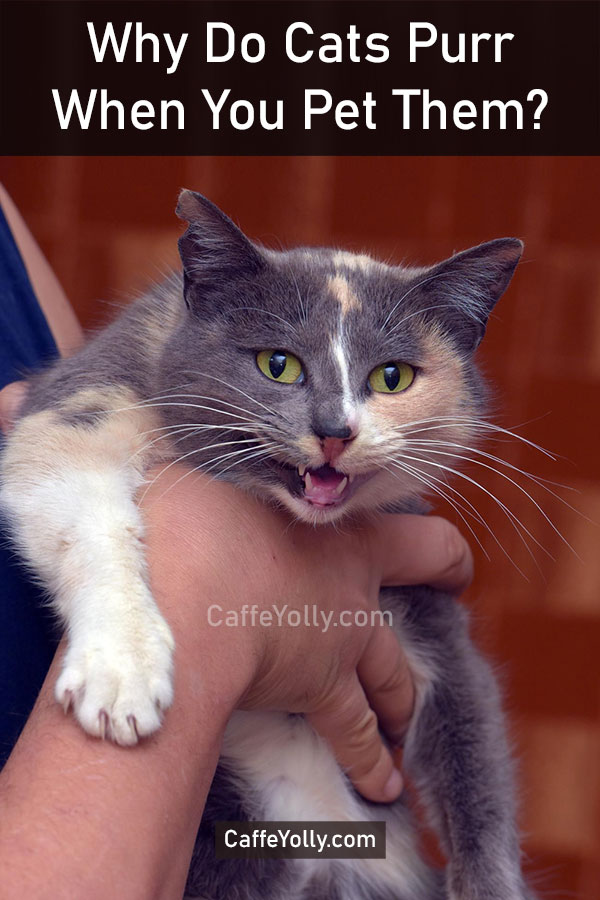
One of the sweetest moments for any cat lover is understanding why do cats purr when you pet them. Touch plays a powerful role in a cat’s emotional world. Gentle stroking reminds a cat of its mother grooming it during kittenhood. This creates a memory of safety, warmth, and belonging.
When a human pets a cat slowly and kindly, it activates pleasure centers in the cat’s brain. In response, the cat begins cat purring as a signal of emotional reward. It is the cat’s way of saying, “This feels good. I trust you.”
But there is a limit. Sometimes a cat purrs while being petted and suddenly bites or walks away. This does not mean the cat is angry. It simply means the stimulation became too much. Cats enjoy affection in controlled amounts.
Signs that purring during petting means happiness:
- Relaxed body
- Half-closed eyes
- Slow blinking
- Soft tail movement
- Gentle kneading with paws
Signs that purring may be mixed with irritation:
- Tail flicking sharply
- Ears turning sideways
- Tense body
- Sudden movement
So when people ask why do cats purr when you pet them, the answer is usually trust, comfort, emotional security, and sensory pleasure. It is one of the strongest bonding signals a cat offers.
Kitten Purring Meaning and the First Language of Life
The kitten purring meaning is deeply rooted in survival and bonding. Kittens begin purring when they are just a few days old. At this stage, they are blind, weak, and completely dependent on their mother. Purring helps the mother locate them during feeding time.
A kitten purrs while nursing to show that it feels safe. The mother cat also purrs, creating a calming environment. This shared vibration strengthens the bond and keeps all kittens emotionally connected.
As kittens grow, they continue to use purring as their emotional language. When a kitten purrs while being held or played with, it is showing acceptance and trust. When a kitten purrs while hiding, it may be trying to comfort itself.
Kittens purr for many reasons:
- While drinking milk
- While sleeping
- When feeling warm
- When feeling scared
- When seeking attention
Purring becomes a lifelong habit formed in early life. That is why adult cats continue to use purring as their main tool of emotional expression. The kitten purring meaning teaches us that purring is both a communication signal and a natural emotional support system.
Cat Purring Healing and the Science Behind the Sound
One of the most fascinating discoveries about cat behavior is cat purring healing. The vibration created during purring falls between 25 to 150 Hertz. This frequency range is known to promote healing in bones and muscles. Scientists believe that cats may have developed purring as a natural healing tool for their own bodies.
Cats often purr when they are injured, sick, or recovering. This does not mean they feel happy—it means their body is activating internal repair mechanisms. The vibration helps improve blood flow, reduce pain, and strengthen bones.
Benefits of cat purring healing include:
- Faster bone healing
- Reduced inflammation
- Improved breathing
- Stress reduction
- Muscle relaxation
Humans also benefit emotionally from listening to cat purring sound. It lowers stress, slows heart rate, and creates a calming effect on the nervous system. Many people find comfort just sitting beside a purring cat during stressful moments.
This healing power explains why hospital therapy animals often include cats and why people feel emotional relief when a cat curls up and purrs beside them.
Cat Purring and Why Do Cats Meow: Two Different Languages
Many people wonder about the difference between cat purring and why do cats meow. These two sounds serve very different purposes. Purring is mostly an emotional and physical signal. Meowing is a communication tool mainly used with humans.
Cats rarely meow to each other as adults. Meowing is something cats develop to communicate with people. It may signal hunger, discomfort, loneliness, or demand for attention. Each cat develops a unique meow style.
Purring, on the other hand, is used both internally and socially. It can mean relaxation, pain, healing, or bonding. Understanding both sounds helps pet parents respond properly to their cat’s needs.
Differences between purring and meowing:
- Purring = emotional state and physical comfort
- Meowing = active request or communication
- Purring = internal vibration
- Meowing = vocal sound
When both sounds appear together, such as loud purring and repeated meowing, it usually means the cat is emotionally excited and urgently asking for something—most often food or attention.
Cat Purring Loudly: When the Sound Becomes a Powerful Message
Cat purring loudly can feel comforting, but it can also signal something deeper. Some cats naturally have louder purrs due to their body structure. Others increase purr volume when they strongly want attention, food, or comfort.
A loud purr can happen during:
- Feeding time
- Stressful situations
- Post-injury recovery
- Deep emotional bonding
- Strong need for comfort
A loud purr during petting often means the cat feels extremely safe and relaxed. But loud purring during illness or fear indicates self-soothing behavior.
It is important to observe other signs along with volume:
- Appetite changes
- Body temperature
- Movement patterns
- Eye clarity
- Vocal changes
If cat purring loudly continues with signs of weakness, a veterinary visit is necessary. Loud purring should always be understood along with full body language.
Final Thoughts
Cat purring is one of the most beautiful and mysterious forms of animal communication. It carries emotion, healing, memory, and instinct all at once. From kittenhood to old age, purring remains the silent language between a cat and the world. Whether soft, loud, joyful, or healing, every purr tells a story of survival, trust, and emotional connection.