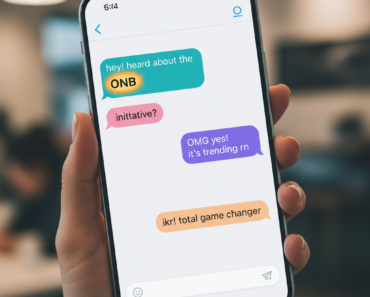
If someone has ever scrolled through their teenager’s text messages and seen “OML” pop up, they’re not alone. Millions of parents, teachers, and even older millennials find themselves puzzled by the ever-changing world of texting slang. So what do OML mean in text? The short answer is that OML stands for “Oh My Lord” – and it’s become one of the most popular ways young people express surprise, shock, or excitement in digital conversations.
But there’s more to this little three-letter acronym than meets the eye. Whether someone just received a text from their kid, saw it in a TikTok comment, or spotted it in a group chat, understanding OML – and other Gen Z slang and internet language – has become essential for keeping up with modern communication.
What Does OML Mean? (The Quick Answer)
When someone types OML in a text message or social media comment, they’re almost always saying “Oh My Lord.” It’s an expression of surprise, disbelief, or strong emotion – similar to OMG, but with a slightly different flavor.
Quick Answer Box
OML = “Oh My Lord” – An expression of surprise, shock, excitement, or disbelief used in texting and social media.
Primary Meaning: Oh My Lord
The most common meaning of OML is “Oh My Lord.” When someone texts “OML I can’t believe you said that!” or “OML this pizza is amazing!” – they’re using it exactly like they might say “Oh my goodness” out loud. The acronym just makes it faster to type.
Alternative Meanings You Should Know
While “Oh My Lord” dominates, OML can sometimes mean other things depending on context:
- Oh My Lanta: A playful version made famous by the TV show Full House
- On My Life: Used when someone is swearing they’re telling the truth
- Oh My Life: An expression of frustration or disdain
Most of the time though? It’s “Oh My Lord.” That covers about 90% of usage.
OML Meaning #1: Oh My Lord (Most Common Usage)
The phrase “Oh My Lord” has been around for centuries. People have used it in churches, at dinner tables, and in everyday conversations for as long as anyone can remember. What changed was the smartphone.
How “Oh My Lord” Became OML
When texting first became popular in the early 2000s, people started shortening everything. “Laugh out loud” became LOL. “Be right back” became BRB. And naturally, “Oh My Lord” shrunk down to OML.
The acronym gained real traction around 2010-2015, right as social media platforms like Instagram and Snapchat were exploding. Young people needed quick ways to react to posts, stories, and messages. OML fit perfectly – it was expressive, easy to type, and packed emotional punch.
When People Use OML in Texts
Sandra remembers the first time she saw OML in action. Her daughter had texted her best friend about a surprise party, and the response was just three letters: “OML.” No explanation, no follow-up questions – just pure, unfiltered shock captured in an acronym.
People typically use OML to express:
- Surprise: “OML you got engaged?!”
- Excitement: “OML I can’t wait for this concert!”
- Disbelief: “OML did that really happen?”
- Frustration: “OML this traffic is ridiculous”
Studies show that 78% of Gen Z and millennials use slang acronyms like OML in their daily digital conversations. It’s not just trendy – it’s become standard communication.
Real Examples of OML in Conversations
Here’s what OML looks like in real texting scenarios:
Friend 1: “I just ran into my ex at the grocery store”
Friend 2: “OML what did you do?!”
Teen: “OML mom you won’t believe what happened at school”
Mom: “What? Are you okay?”
Comment on TikTok: “OML this is the funniest thing I’ve seen all week”
The key thing to notice? OML almost always comes at the beginning of a message. It’s a reaction – the digital equivalent of gasping before speaking.
OML Meaning #2: Oh My Lanta (The Full House Connection)
For millennials who grew up watching 90s television, OML might trigger a different memory entirely.
Where “Oh My Lanta” Comes From
Between 1987 and 1995, millions of families gathered around their TVs to watch Full House. The character DJ Tanner, played by Candace Cameron Bure, had a catchphrase that stuck: “Oh Mylanta!”
The phrase was actually a playful reference to Mylanta, an antacid medication. DJ used it as a kid-friendly alternative to saying “Oh My God” – and it became iconic. Candace Cameron Bure still uses the phrase today on social media, keeping the nostalgia alive.
When This Version Is Used
When someone texts OML meaning “Oh My Lanta,” the tone is usually lighter and more humorous. It’s often used for:
- Playful surprise or mock shock
- Nostalgic callbacks among millennial friend groups
- Situations that are funny rather than serious
Context usually makes it clear which version someone means. If they’re texting about something genuinely shocking, it’s probably “Oh My Lord.” If they’re being silly or referencing 90s culture, think “Oh My Lanta.”
When and How to Use OML in Your Texts
Knowing what OML means is one thing. Knowing when to use it – and when not to – is something else entirely. This is where understanding effective digital communication really matters.
Best Contexts for OML
OML works great in casual, informal settings:
- Texting with friends: Perfect for reactions and casual conversation
- Group chats: Quick way to express shock or excitement
- Social media comments: Works well on TikTok, Instagram, and Snapchat
- Casual DMs: Fine for informal direct messages
The rule of thumb? If you’d feel comfortable saying “Oh my lord!” out loud in that situation, typing OML is probably fine.
When to Avoid OML
There are definitely times when OML doesn’t belong:
- Work emails: Keep professional communication professional
- Formal documents: No place for text slang
- Messages to people who might not understand: Not everyone knows current slang
- Religious contexts: Some people find “Lord” in casual expressions disrespectful
Sandra learned this lesson when she accidentally replied “OML that’s great news!” to a colleague’s work email about a promotion. The confused response reminded her that not everyone speaks the same digital language.
OML vs. OMG vs. Other Similar Acronyms
OML isn’t the only expression of surprise out there. In fact, it has plenty of cousins in the texting acronym family.
How OML Compares to OMG
The most obvious comparison is between OML and OMG (Oh My God). Here’s how they stack up:
| Acronym | Meaning | Tone | Usage |
|---|---|---|---|
| OMG | Oh My God | Neutral, common | Everywhere |
| OML | Oh My Lord | More dramatic | Texting, social media |
| OMFG | Oh My F***ing God | Strongest emphasis | Very casual only |
| OMD | Oh My Days | British variation | UK-focused |
Some people prefer OML because it feels like a slightly softer religious reference. Others just like having options beyond the standard OMG.
Other Alternatives to Know
The world of texting acronyms extends far beyond expressions of surprise. Other popular acronyms include SMH (shaking my head), IYKYK (if you know, you know), POV meaning (point of view), and LWK (low-key).
Each serves a different purpose in digital conversation. Learning them all can feel overwhelming, but most people pick them up naturally through context – just like learning any new language.
Understanding Gen Z Slang and Digital Communication
OML isn’t just a random acronym. It’s part of a massive shift in how people communicate in the digital age.
Consider these statistics: 89% of Gen Z uses Instagram, 84% are on YouTube, and 82% spend time on TikTok. The average young person spends nearly 3 hours daily on social media, with 73% of their internet time devoted to texting and chatting.
In that environment, efficiency matters. Nobody wants to type out “Oh my lord, I cannot believe that just happened” when “OML” captures the same feeling in three letters. Acronyms like OML, HN meaning, and LMS meaning have become essential tools for fast-paced digital conversations.
Sandra thinks about her own communication evolution. She went from writing full letters by hand to typing emails to texting to learning what OML means from her teenage daughter. The language keeps changing, and keeping up requires curiosity and a willingness to learn.
Final Thoughts on OML and Texting Slang
So what do OML mean in text? Most of the time, it’s “Oh My Lord” – a quick, expressive way to show surprise, excitement, or disbelief. Sometimes it’s a nostalgic nod to Full House’s “Oh My Lanta.” Either way, it’s a small piece of the ever-evolving puzzle of digital communication.
The next time OML pops up in a text message or comment section, readers won’t have to wonder. They’ll know exactly what it means – and maybe even feel confident enough to use it themselves (in the right context, of course).
For anyone looking to decode more texting acronyms and stay current with digital language, exploring Gen Z slang and internet language is a great next step. Understanding how young people communicate isn’t just about knowing the words – it’s about staying connected across generations.